



The bill of lading (BOL) is a important document in the shipping and freight industry. It serves as a contract between the shipper and the carrier, detailing the goods being transported. Yet, despite its importance, many people make mistakes when completing a bill of lading. These errors can lead to delays, lost shipments, or even legal issues. By understanding the common pitfalls, you can ensure that your BOL is filled out correctly and efficiently.
One of the first mistakes often made is not using the appropriate bill of lading template. Each industry has specific requirements, and using a generic or outdated form can lead to confusion. A well-structured form ensures that all necessary details are captured clearly.
For example, when dealing with hazardous materials, the bill of lading must include specific notations and handling instructions. If those are missing, you risk serious safety violations. For a reliable template, consider the bol form file copy that includes essential fields for various shipping scenarios.
Incomplete information about the shipper and receiver can lead to significant issues. It’s vital to include full names, addresses, and contact numbers. A missing piece of information can delay delivery or result in the cargo being misdirected.
Consider this scenario: the delivery driver arrives at a location only to find that the address is incomplete. Time is wasted, and additional costs may incur as a result. Double-checking this information before submitting can save time and resources.
Another frequent mistake is inaccurately describing the cargo. This includes omitting the weight, dimensions, or type of goods being shipped. Such inaccuracies can cause confusion and may also lead to legal consequences if the shipment involves regulated items.
When filling out the description, be as specific as possible. For instance, instead of simply stating “electronics,” specify “50 units of 4K LED televisions.” This not only helps in tracking but also aids in insurance claims if necessary.
Many shippers forget to include special handling instructions. If certain items are fragile or require temperature control, this information must be clearly stated. Overlooking this can lead to damage during transit, which could have been easily prevented.
Including clear handling instructions can also help the carrier prepare adequately for the shipment. For example, labeling a shipment as “Keep Refrigerated” ensures that the carrier knows to use temperature-controlled transport.
Many people underestimate the importance of signatures on a bill of lading. A BOL without the proper signatures lacks legal standing. Both the shipper and the receiver must sign the document to acknowledge that the goods have been received in the specified condition.
Without these signatures, disputes can arise regarding the condition or quantity of the goods. It’s best practice to ensure that all necessary parties sign the document before it’s finalized. This simple step can save a lot of headaches in the future.
Accurate dating on a bill of lading is often overlooked. It’s essential to record the date of shipment and expected delivery. Incorrect dates can complicate logistics, especially if there are delays or issues that require timely responses.
For instance, a mismatch in dates could lead to penalties or increased costs, particularly if the shipment is time-sensitive. Always double-check the dates to ensure they align with your shipping schedule.
Once the bill of lading is complete, it’s not enough to just send it off. Keeping copies of the BOL for your records is important. This ensures that you have proof of what was shipped, the terms agreed upon, and any special instructions that were noted.
Should any disputes arise, having a copy can provide clarity and protect your interests. It’s advisable to maintain both digital and physical copies for easy access and backup.
Completing a bill of lading may seem straightforward, but it’s fraught with potential pitfalls. By being mindful of the common mistakes outlined above, you can mitigate risks and ensure a smoother shipping process. Paying attention to detail, using the correct templates, and keeping thorough records will save you time, money, and stress in the long run.



Ryan graduated with a Bachelor of Science in Nursing (BSN) in 2011 from Wayne State University in Detroit, MI. Upon graduating he started working in the ICU at Detroit Receiving Hospital in the Burn Unit where he specialized in treating trauma patients along with being a wound care specialist. It was there that he gained tremendous knowledge of the skin and how to recognize and treat burns and other skin related trauma. He also graduated with a Bachelor in Business Administration (BBA) in 2001 from Western Michigan University in Kalamazoo, MI, where he majored in Integrated Supply Chain Management (ISM) and minored in mathematics.
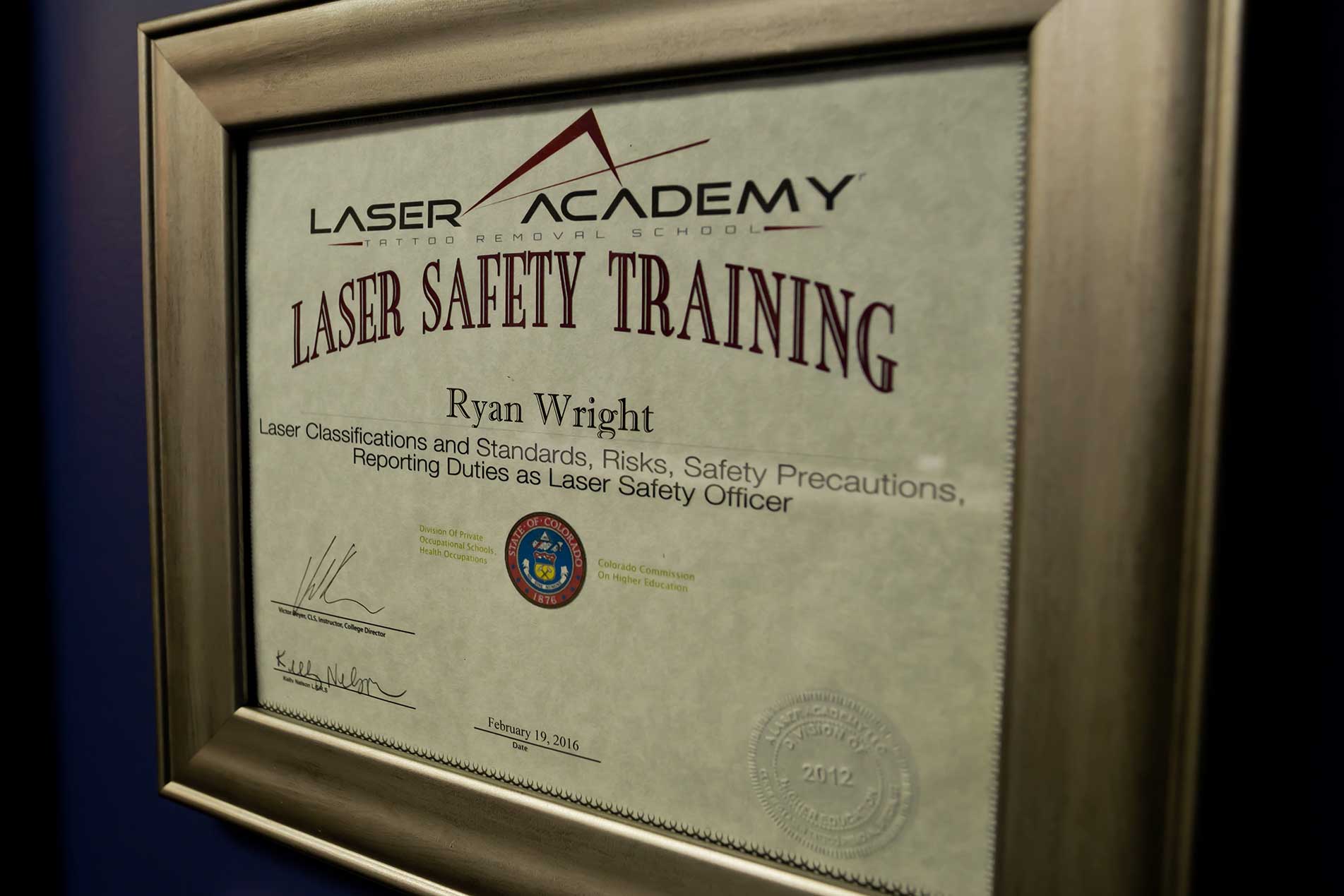
Ryan has earned two official certificates from the State of Colorado; Certified Laser Tattoo Specialist and Laser Safety Officer.
Ryan holds a license from the State of Michigan as a Registered Nurse (RN).
Ryan grew up in Metro Detroit, and has two sons named Jonathan and Christian and a daughter named Kaia. He enjoys golf, wakeboarding, and wakesurfing in the summer and skiing and snowmobiling in the winter.
Ryan is involved with the SaveHaiti volunteer team and he completed a one week mission to Haiti in 2013. During his mission trip their group helped set up a free clinic for local Haitians, which also included an operating room designed to perform cataract surgeries. During his time there, they assisted the locals with general health screenings, administering eye exams in conjunction with passing out the appropriate prescription glasses, and performing cataract surgeries for those in need. He is also involved in the annual Children’s Christmas Workshop in Northville, MI where they teach kids how to make presents for their friends and family by hand using tools under adult supervision. Each year they select 7 different gifts for the kids to construct from scratch with traditional materials like wood, wire, sheet tin, etc., and using other recycled materials, they then gift wrap them so they can be given away as presents. It is a wonderful learning experience for all the kids involved.
Dr. Silveira received her medical degree from the State University of New York at Stony Brook and completed her residency in Primary Care Internal Medicine at the Oregon Health and Sciences University in Portland OR. She has been practicing general medicine since 1999. She has a special interest in general cosmetic dermatology. She enjoys art, theater, and jazz. Read more.
I would like more information on

Call now to schedule your Free Consultation! 734-629-5434


AGE OF TATTOO: 8 years old
STYLE: Professional
SIZE: 1 sq. inch, $99
NUMBER OF TREATMENTS: 4 treatments


AGE OF TATTOO: 14 years old
STYLE: Professional
SIZE: 1.5 sq. inches, $119
NUMBER OF TREATMENTS: 6 treatments


AGE OF TATTOO: 7 years old
STYLE: Professional
SIZE: 3 sq. inches, $177
NUMBER OF TREATMENTS: 6 treatments

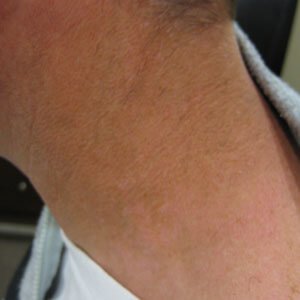
AGE OF TATTOO: 6 years old
STYLE: Professional
SIZE: 5 sq. inches, $255
NUMBER OF TREATMENTS: 5 treatments

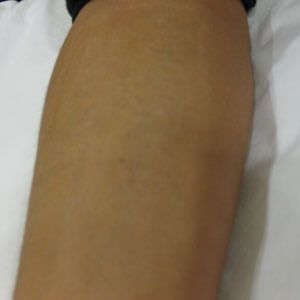
AGE OF TATTOO: 12 years old
STYLE: Amateur
SIZE: 7 sq. inches, $294
NUMBER OF TREATMENTS: 12 treatments

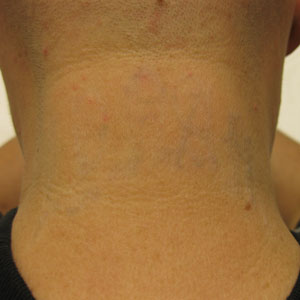
AGE OF TATTOO: 10 years old
STYLE: Professional
SIZE: 5 sq. inches, $255
NUMBER OF TREATMENTS: 10 treatments


AGE OF TATTOO: 10 years old
STYLE: Professional
SIZE: 5 sq. inches, $255
NUMBER OF TREATMENTS: 10 treatments

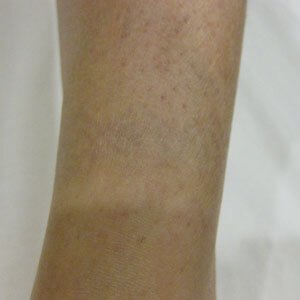
AGE OF TATTOO: 8 years old
STYLE: Professional
SIZE: 7 sq. inches, $294
NUMBER OF TREATMENTS: 10 treatments


AGE OF TATTOO: 5 years old
STYLE: Professional
SIZE: 4 sq. inches, $216
NUMBER OF TREATMENTS: 7 treatments
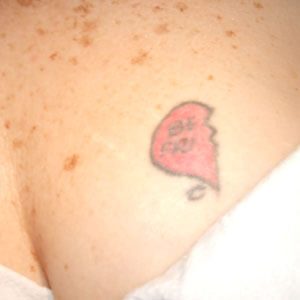
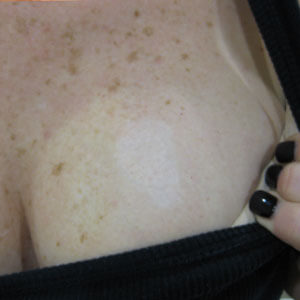
AGE OF TATTOO: 17 years old
STYLE: Professional
SIZE: 2 sq. inches, $138
NUMBER OF TREATMENTS: 4 treatments
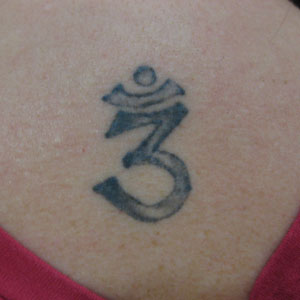
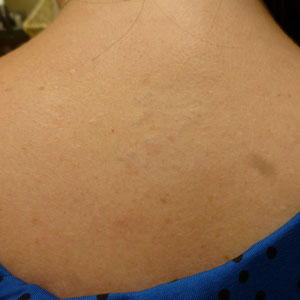
AGE OF TATTOO: 8 years old
STYLE: Professional
SIZE: 3 sq. inches, $177
NUMBER OF TREATMENTS: 5 treatments

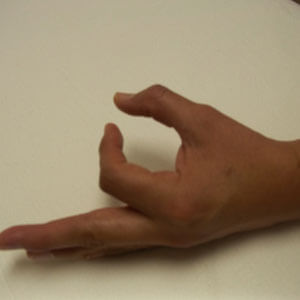
AGE OF TATTOO: 9 years old
STYLE: Amateur
SIZE: 1 sq. inch, $99
NUMBER OF TREATMENTS: 6 treatments
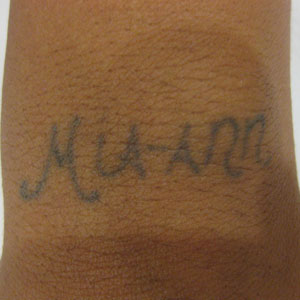
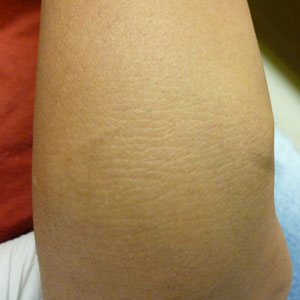
AGE OF TATTOO: 10 years old
STYLE: Professional
SIZE: 1.5 sq. inches, $119
NUMBER OF TREATMENTS: 2 treatments
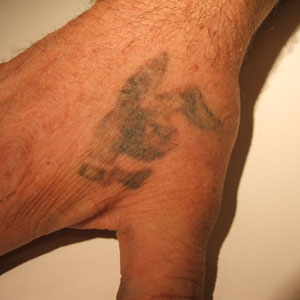
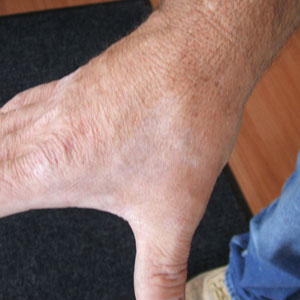
AGE OF TATTOO: 20 years old
STYLE: Amateur
SIZE: 1.5 sq. inches, $119
NUMBER OF TREATMENTS: 6 treatments
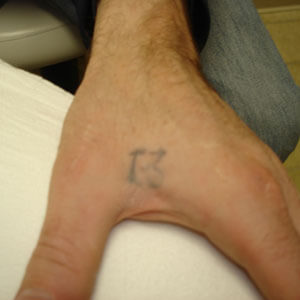
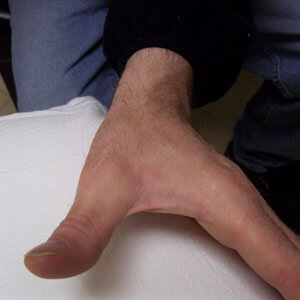
AGE OF TATTOO: 15 years old
STYLE: Amateur
SIZE: <1 sq inch, $49
NUMBER OF TREATMENTS: 3 treatments
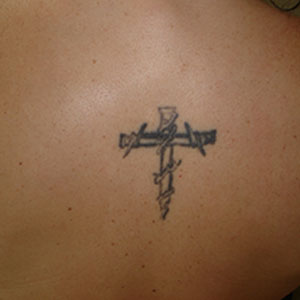
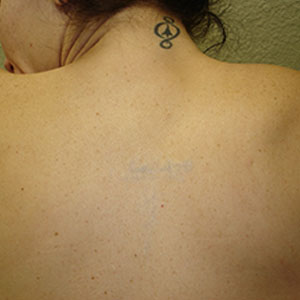
AGE OF TATTOO: 8 years old
STYLE: Professional
SIZE: 3 sq. inches, $177
NUMBER OF TREATMENTS: 5 treatments


AGE OF TATTOO: 3 years old
STYLE: Professional
SIZE: 3 sq. inches, $177
NUMBER OF TREATMENTS: 4 treatments
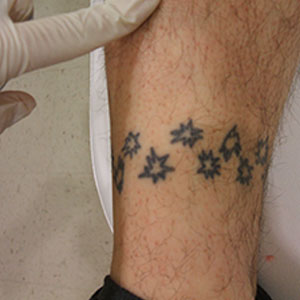
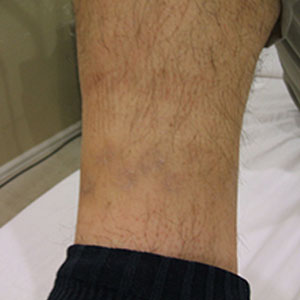
AGE OF TATTOO: 11 years old
STYLE: Professional
SIZE: 4 sq. inches, $216
NUMBER OF TREATMENTS: 9 treatments
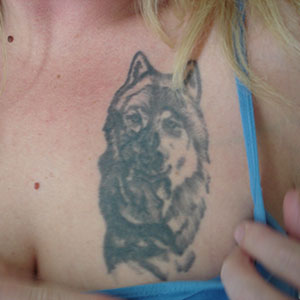

AGE OF TATTOO: 10 years old
STYLE: Professional
SIZE: 9 sq. inches, $294
NUMBER OF TREATMENTS: 8 treatments