



When dealing with real estate transactions, clarity is paramount. A clear title ensures that ownership of a property is undisputed. In Florida, one of the tools often used to transfer ownership or clear up title issues is the quitclaim deed. But what exactly does this mean, and why is it so important? Understanding quitclaim deeds can save you from potential headaches down the road.
A quitclaim deed is a legal document that allows a property owner to transfer their interest in a property to another party. Unlike a warranty deed, a quitclaim deed does not guarantee that the title is free of issues. It simply conveys whatever interest the seller has—if any. This means that if the seller has a clear title, the buyer receives a clear title. If there are problems, the buyer takes on those risks. This lack of warranty makes quitclaim deeds particularly useful in specific scenarios.
Quitclaim deeds are most commonly used in situations where the parties know each other well. Here are some typical scenarios:
In these situations, the personal relationship between the parties often mitigates the risk associated with the lack of warranties. However, caution is still advisable.
While quitclaim deeds can be convenient, they come with inherent risks. Since the seller does not guarantee clear title, buyers could end up with a property that has liens or other encumbrances. For instance, if the previous owner had unpaid taxes or debts tied to the property, the new owner might be responsible for those. This unpredictability makes it essential to conduct due diligence before finalizing any transaction.
If you’re considering using a quitclaim deed, it’s vital to take steps to ensure that the title is clear. Here are some recommended actions:
These steps can minimize risks and provide peace of mind, even when using a quitclaim deed.
Every state has its nuances when it comes to real estate law, and Florida is no exception. Understanding local regulations is important. For example, Florida requires that a quitclaim deed be signed in the presence of a notary. Additionally, you’ll need to ensure that the deed is properly recorded in the county where the property is located to establish public notice of the transfer. You can find printable templates for Florida quit claim deed to simplify this process.
There are several misconceptions about quitclaim deeds that can lead to confusion. One common myth is that they are only used when the property is being transferred without consideration, such as in gifts. In reality, quitclaim deeds can be used in various financial transactions, even sales. Another misconception is that quitclaim deeds provide a “quick fix” for title issues. While they can address some problems, they don’t resolve underlying issues. It’s essential to approach these deeds with a clear understanding of their limitations.
For those who want more security in their property transactions, several alternatives can be considered. Warranty deeds offer guarantees that the title is clear and free from encumbrances. These are commonly used in traditional sales where the buyer and seller may not have prior relationships. Another option is using a land trust, which can provide additional privacy and security in property transactions.
Choosing the right method for transferring property depends on your specific needs and circumstances. Weigh the pros and cons of each option before making a decision.


Ryan graduated with a Bachelor of Science in Nursing (BSN) in 2011 from Wayne State University in Detroit, MI. Upon graduating he started working in the ICU at Detroit Receiving Hospital in the Burn Unit where he specialized in treating trauma patients along with being a wound care specialist. It was there that he gained tremendous knowledge of the skin and how to recognize and treat burns and other skin related trauma. He also graduated with a Bachelor in Business Administration (BBA) in 2001 from Western Michigan University in Kalamazoo, MI, where he majored in Integrated Supply Chain Management (ISM) and minored in mathematics.
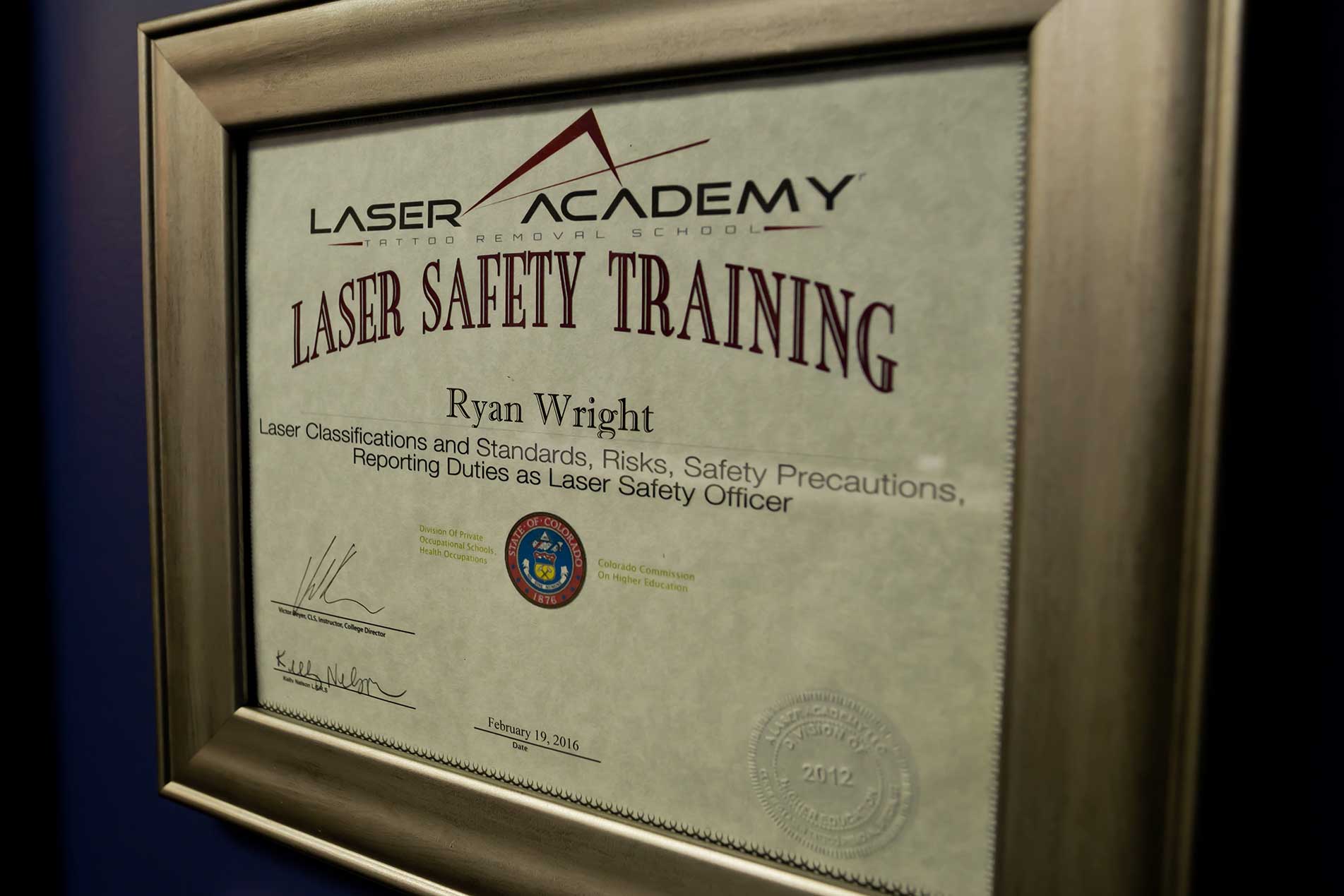
Ryan has earned two official certificates from the State of Colorado; Certified Laser Tattoo Specialist and Laser Safety Officer.
Ryan holds a license from the State of Michigan as a Registered Nurse (RN).
Ryan grew up in Metro Detroit, and has two sons named Jonathan and Christian and a daughter named Kaia. He enjoys golf, wakeboarding, and wakesurfing in the summer and skiing and snowmobiling in the winter.
Ryan is involved with the SaveHaiti volunteer team and he completed a one week mission to Haiti in 2013. During his mission trip their group helped set up a free clinic for local Haitians, which also included an operating room designed to perform cataract surgeries. During his time there, they assisted the locals with general health screenings, administering eye exams in conjunction with passing out the appropriate prescription glasses, and performing cataract surgeries for those in need. He is also involved in the annual Children’s Christmas Workshop in Northville, MI where they teach kids how to make presents for their friends and family by hand using tools under adult supervision. Each year they select 7 different gifts for the kids to construct from scratch with traditional materials like wood, wire, sheet tin, etc., and using other recycled materials, they then gift wrap them so they can be given away as presents. It is a wonderful learning experience for all the kids involved.
Dr. Silveira received her medical degree from the State University of New York at Stony Brook and completed her residency in Primary Care Internal Medicine at the Oregon Health and Sciences University in Portland OR. She has been practicing general medicine since 1999. She has a special interest in general cosmetic dermatology. She enjoys art, theater, and jazz. Read more.
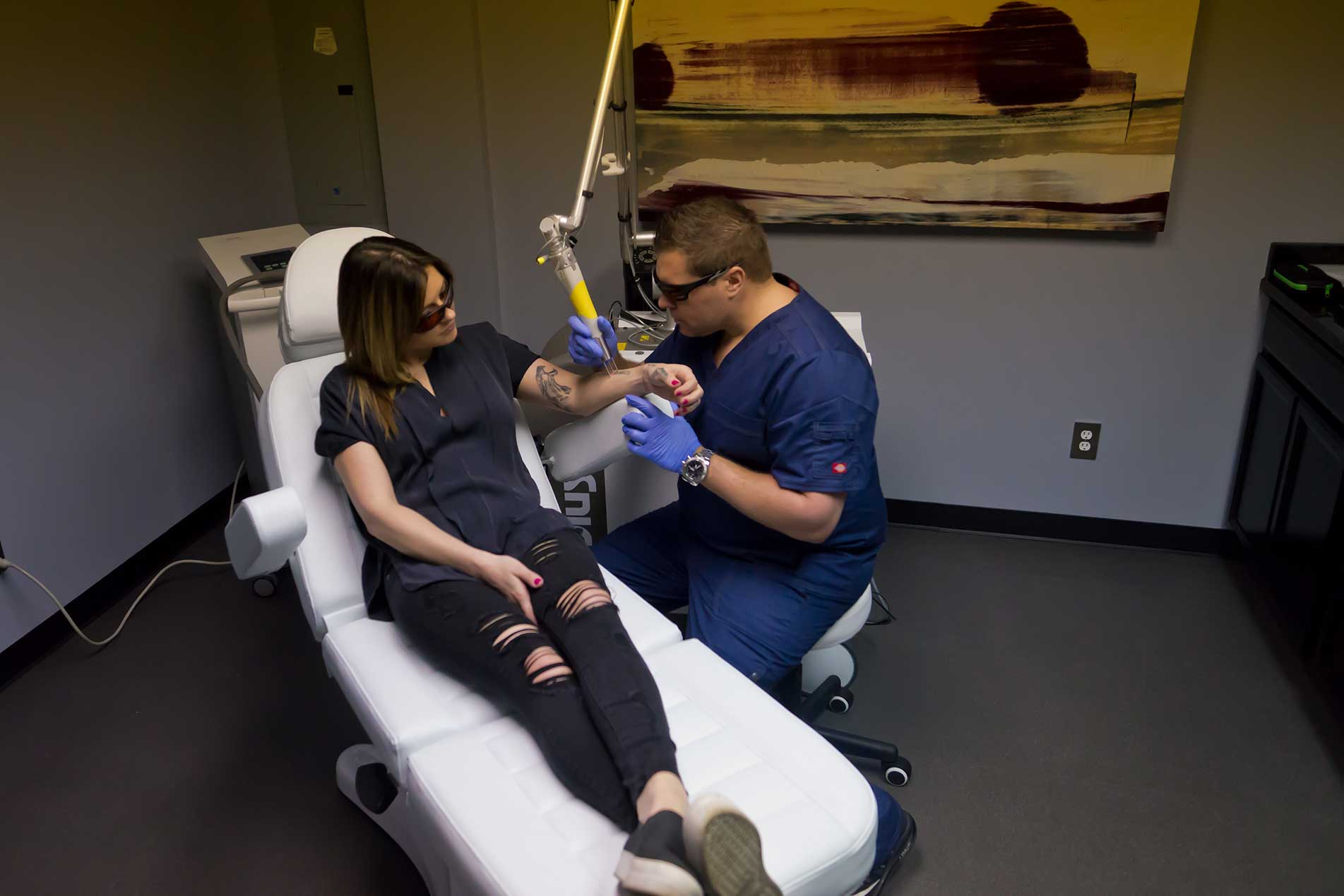
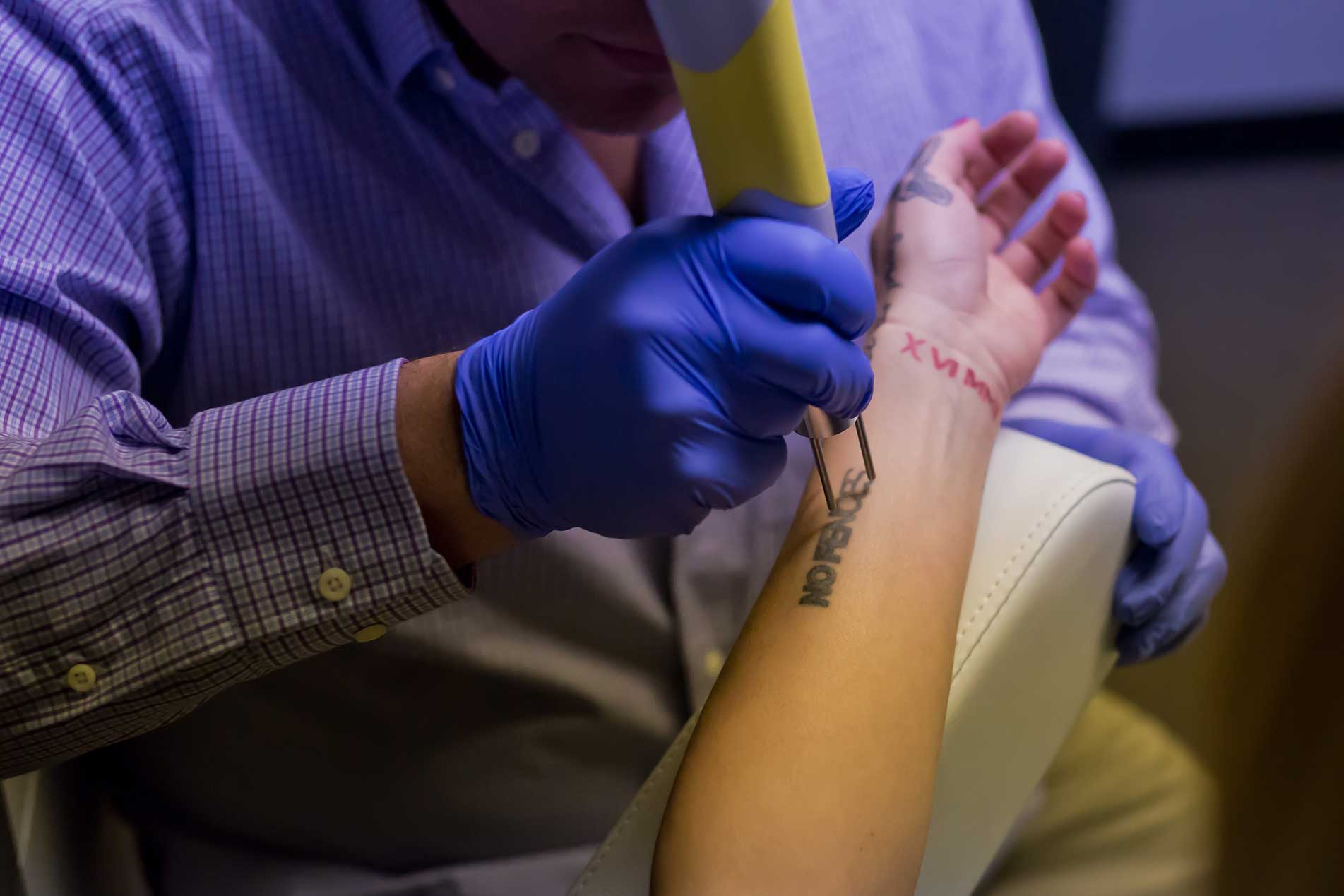
I would like more information on

Call now to schedule your Free Consultation! 734-629-5434

AGE OF TATTOO: 8 years old
STYLE: Professional
SIZE: 1 sq. inch, $99
NUMBER OF TREATMENTS: 4 treatments

AGE OF TATTOO: 14 years old
STYLE: Professional
SIZE: 1.5 sq. inches, $119
NUMBER OF TREATMENTS: 6 treatments


AGE OF TATTOO: 7 years old
STYLE: Professional
SIZE: 3 sq. inches, $177
NUMBER OF TREATMENTS: 6 treatments
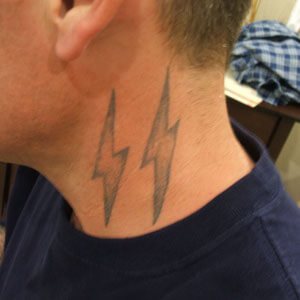
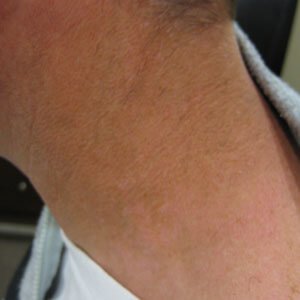
AGE OF TATTOO: 6 years old
STYLE: Professional
SIZE: 5 sq. inches, $255
NUMBER OF TREATMENTS: 5 treatments
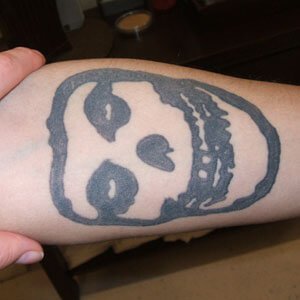
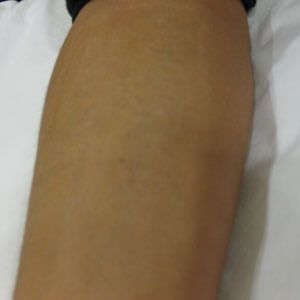
AGE OF TATTOO: 12 years old
STYLE: Amateur
SIZE: 7 sq. inches, $294
NUMBER OF TREATMENTS: 12 treatments
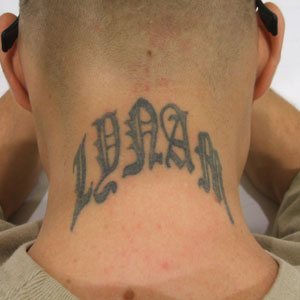
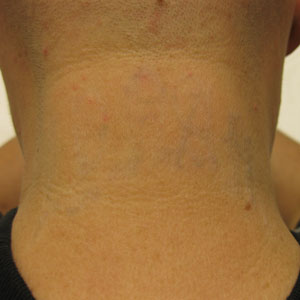
AGE OF TATTOO: 10 years old
STYLE: Professional
SIZE: 5 sq. inches, $255
NUMBER OF TREATMENTS: 10 treatments

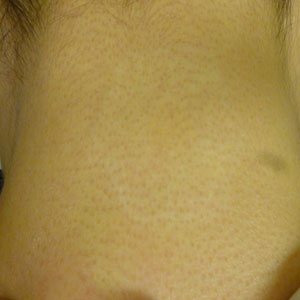
AGE OF TATTOO: 10 years old
STYLE: Professional
SIZE: 5 sq. inches, $255
NUMBER OF TREATMENTS: 10 treatments

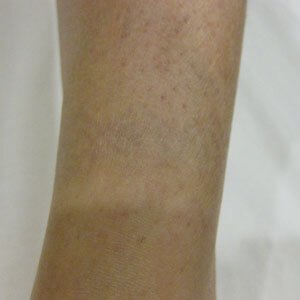
AGE OF TATTOO: 8 years old
STYLE: Professional
SIZE: 7 sq. inches, $294
NUMBER OF TREATMENTS: 10 treatments


AGE OF TATTOO: 5 years old
STYLE: Professional
SIZE: 4 sq. inches, $216
NUMBER OF TREATMENTS: 7 treatments
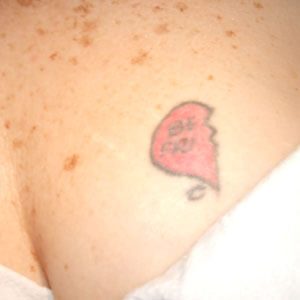
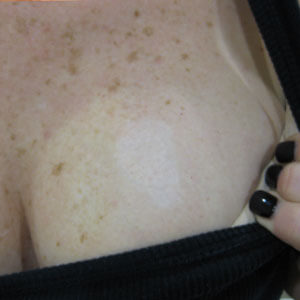
AGE OF TATTOO: 17 years old
STYLE: Professional
SIZE: 2 sq. inches, $138
NUMBER OF TREATMENTS: 4 treatments
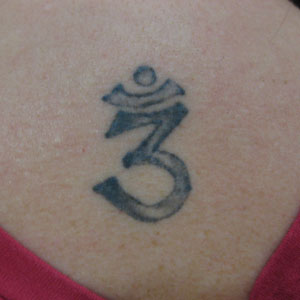
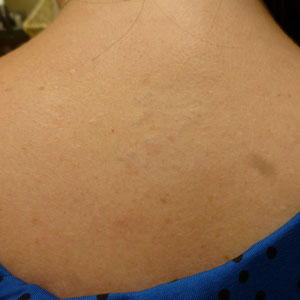
AGE OF TATTOO: 8 years old
STYLE: Professional
SIZE: 3 sq. inches, $177
NUMBER OF TREATMENTS: 5 treatments

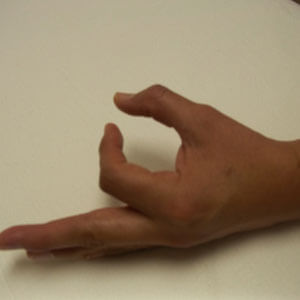
AGE OF TATTOO: 9 years old
STYLE: Amateur
SIZE: 1 sq. inch, $99
NUMBER OF TREATMENTS: 6 treatments
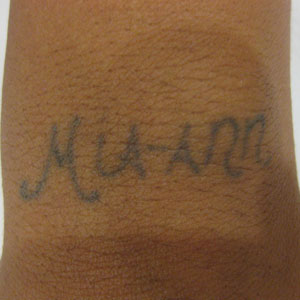
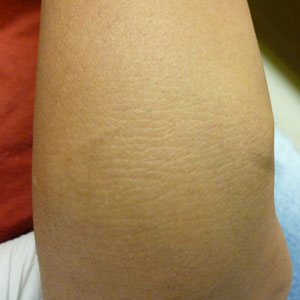
AGE OF TATTOO: 10 years old
STYLE: Professional
SIZE: 1.5 sq. inches, $119
NUMBER OF TREATMENTS: 2 treatments
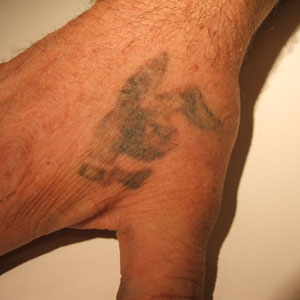
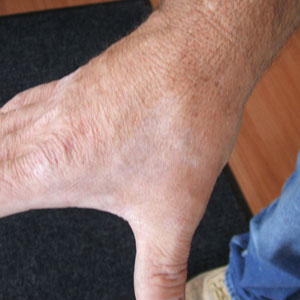
AGE OF TATTOO: 20 years old
STYLE: Amateur
SIZE: 1.5 sq. inches, $119
NUMBER OF TREATMENTS: 6 treatments
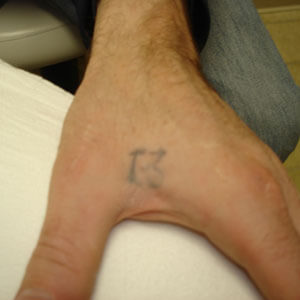
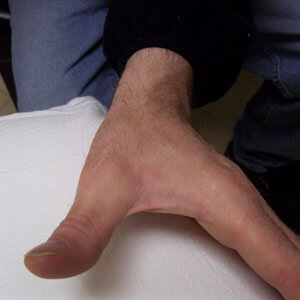
AGE OF TATTOO: 15 years old
STYLE: Amateur
SIZE: <1 sq inch, $49
NUMBER OF TREATMENTS: 3 treatments
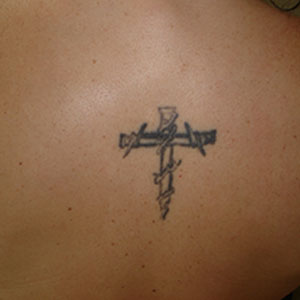
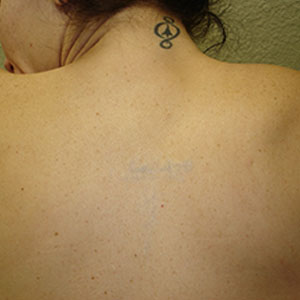
AGE OF TATTOO: 8 years old
STYLE: Professional
SIZE: 3 sq. inches, $177
NUMBER OF TREATMENTS: 5 treatments
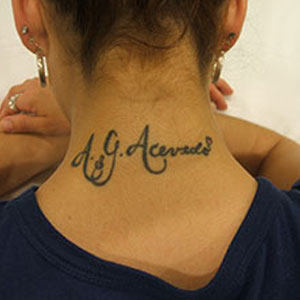
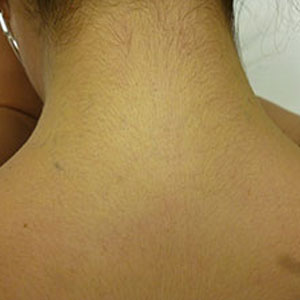
AGE OF TATTOO: 3 years old
STYLE: Professional
SIZE: 3 sq. inches, $177
NUMBER OF TREATMENTS: 4 treatments
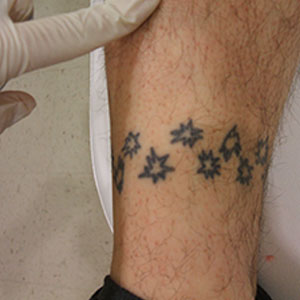
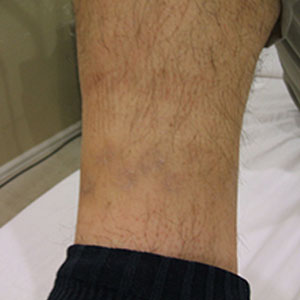
AGE OF TATTOO: 11 years old
STYLE: Professional
SIZE: 4 sq. inches, $216
NUMBER OF TREATMENTS: 9 treatments
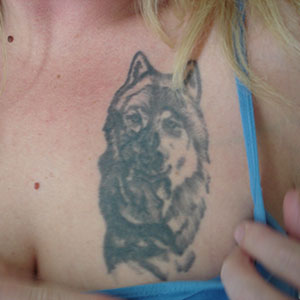
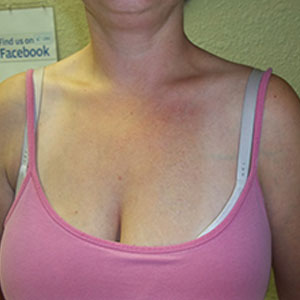
AGE OF TATTOO: 10 years old
STYLE: Professional
SIZE: 9 sq. inches, $294
NUMBER OF TREATMENTS: 8 treatments