



Golf carts have come a long way from being mere utility vehicles on golf courses. Today, they’re becoming a common sight in various neighborhoods, retirement communities, and even in urban areas. The surge in golf cart ownership reflects changing lifestyles and preferences. Let’s explore the factors fueling this trend and what it means for potential owners.
Initially, golf carts were primarily seen as tools for transporting players around the golf course. However, their utility has expanded significantly. Now, many people view them as practical vehicles for short-distance travel. This shift in perception is significant. Golf carts are increasingly used for running errands, commuting within communities, and even for leisurely rides in parks.
In residential areas, especially in communities designed for seniors, golf carts are becoming the norm. They offer an eco-friendly alternative to cars, allowing residents to manage their neighborhoods with ease. This change has sparked interest among individuals who may never have considered owning a golf cart before.
Cost is a major factor influencing the decision to buy a golf cart. With rising fuel prices and the increasing cost of maintaining traditional vehicles, many are turning to golf carts for economical reasons. They consume less energy, are cheaper to maintain, and require minimal insurance. Plus, the upfront cost of purchasing a golf cart is often lower than that of a car.
For families, this represents significant savings. Owning a golf cart allows for family outings without the associated costs of gas and parking. Many families find that they can enjoy local amenities without the hassle of driving larger vehicles.
These benefits show why more people are considering golf carts as a viable alternative to traditional vehicles.
Before purchasing a golf cart, potential owners must consider local laws and regulations. In many areas, golf carts are subject to specific regulations regarding where they can be driven. Some communities require registration, while others may have age restrictions for drivers.
It’s also essential to understand the legalities around buying and selling golf carts. Having a formal bill of sale can help protect both the buyer and seller during the transaction. If you’re looking for a template, check out this https://docpdfs.com/golf-cart-bill-of-sale-template/. It ensures all necessary details are documented, making the process smoother.
The golf cart market is thriving, with manufacturers reporting increased sales year after year. The demand for both new and used carts is on the rise. Companies are responding by offering more models, features, and customization options than ever before. This increased competition has led to innovations that enhance safety, efficiency, and comfort.
Electric models are gaining popularity, aligning with the global push for sustainability. As battery technology improves, electric golf carts are becoming more efficient and capable of longer ranges. This development opens doors for more people to consider golf carts as an alternative mode of transportation.
However, owning a golf cart isn’t without its challenges. While they can be convenient, they also have limitations. For instance, golf carts may not be suitable for long-distance travel or in areas with heavy traffic. Their speed is often restricted, which can be a concern in neighborhoods with varied vehicle types.
Furthermore, maintenance is necessary to keep a golf cart in top condition. Regular battery checks, tire maintenance, and ensuring all electrical components function properly are important. Owners must also be aware of seasonal storage needs, especially in climates with harsh winters.
Golf carts are more than just a vehicle; they represent a lifestyle choice. Communities that embrace golf cart culture often build a sense of camaraderie among residents. Events centered around golf carts, such as parades and gatherings, encourage social interactions and community bonding.
Moreover, the presence of golf carts can influence real estate trends. Properties in golf cart-friendly neighborhoods often see increased demand. Buyers are looking for communities that support this lifestyle, further driving the popularity of golf carts.
The rise of golf carts signals a shift toward more sustainable and community-oriented living. As more people embrace this trend, it will be interesting to see how it shapes transportation norms in the future.



Ryan graduated with a Bachelor of Science in Nursing (BSN) in 2011 from Wayne State University in Detroit, MI. Upon graduating he started working in the ICU at Detroit Receiving Hospital in the Burn Unit where he specialized in treating trauma patients along with being a wound care specialist. It was there that he gained tremendous knowledge of the skin and how to recognize and treat burns and other skin related trauma. He also graduated with a Bachelor in Business Administration (BBA) in 2001 from Western Michigan University in Kalamazoo, MI, where he majored in Integrated Supply Chain Management (ISM) and minored in mathematics.
Ryan has earned two official certificates from the State of Colorado; Certified Laser Tattoo Specialist and Laser Safety Officer.
Ryan holds a license from the State of Michigan as a Registered Nurse (RN).
Ryan grew up in Metro Detroit, and has two sons named Jonathan and Christian and a daughter named Kaia. He enjoys golf, wakeboarding, and wakesurfing in the summer and skiing and snowmobiling in the winter.
Ryan is involved with the SaveHaiti volunteer team and he completed a one week mission to Haiti in 2013. During his mission trip their group helped set up a free clinic for local Haitians, which also included an operating room designed to perform cataract surgeries. During his time there, they assisted the locals with general health screenings, administering eye exams in conjunction with passing out the appropriate prescription glasses, and performing cataract surgeries for those in need. He is also involved in the annual Children’s Christmas Workshop in Northville, MI where they teach kids how to make presents for their friends and family by hand using tools under adult supervision. Each year they select 7 different gifts for the kids to construct from scratch with traditional materials like wood, wire, sheet tin, etc., and using other recycled materials, they then gift wrap them so they can be given away as presents. It is a wonderful learning experience for all the kids involved.
Dr. Silveira received her medical degree from the State University of New York at Stony Brook and completed her residency in Primary Care Internal Medicine at the Oregon Health and Sciences University in Portland OR. She has been practicing general medicine since 1999. She has a special interest in general cosmetic dermatology. She enjoys art, theater, and jazz. Read more.

I would like more information on

Call now to schedule your Free Consultation! 734-629-5434


AGE OF TATTOO: 8 years old
STYLE: Professional
SIZE: 1 sq. inch, $99
NUMBER OF TREATMENTS: 4 treatments


AGE OF TATTOO: 14 years old
STYLE: Professional
SIZE: 1.5 sq. inches, $119
NUMBER OF TREATMENTS: 6 treatments


AGE OF TATTOO: 7 years old
STYLE: Professional
SIZE: 3 sq. inches, $177
NUMBER OF TREATMENTS: 6 treatments
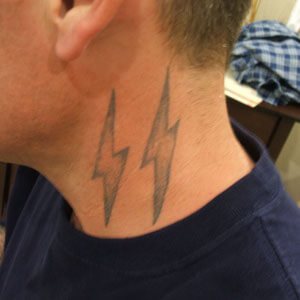
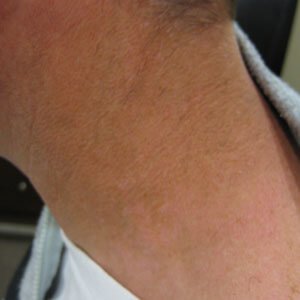
AGE OF TATTOO: 6 years old
STYLE: Professional
SIZE: 5 sq. inches, $255
NUMBER OF TREATMENTS: 5 treatments

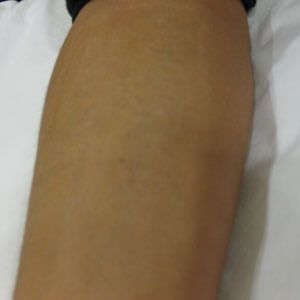
AGE OF TATTOO: 12 years old
STYLE: Amateur
SIZE: 7 sq. inches, $294
NUMBER OF TREATMENTS: 12 treatments


AGE OF TATTOO: 10 years old
STYLE: Professional
SIZE: 5 sq. inches, $255
NUMBER OF TREATMENTS: 10 treatments

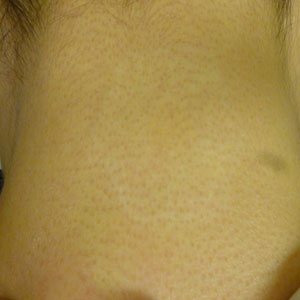
AGE OF TATTOO: 10 years old
STYLE: Professional
SIZE: 5 sq. inches, $255
NUMBER OF TREATMENTS: 10 treatments

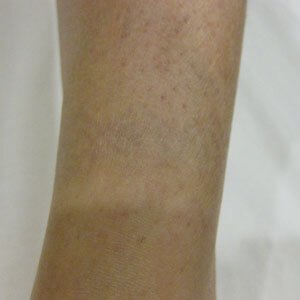
AGE OF TATTOO: 8 years old
STYLE: Professional
SIZE: 7 sq. inches, $294
NUMBER OF TREATMENTS: 10 treatments


AGE OF TATTOO: 5 years old
STYLE: Professional
SIZE: 4 sq. inches, $216
NUMBER OF TREATMENTS: 7 treatments
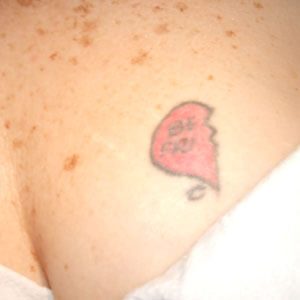
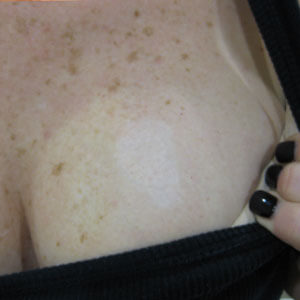
AGE OF TATTOO: 17 years old
STYLE: Professional
SIZE: 2 sq. inches, $138
NUMBER OF TREATMENTS: 4 treatments
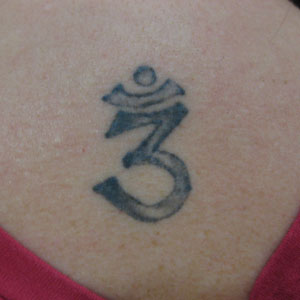
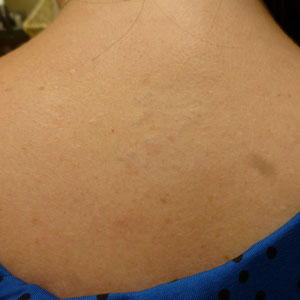
AGE OF TATTOO: 8 years old
STYLE: Professional
SIZE: 3 sq. inches, $177
NUMBER OF TREATMENTS: 5 treatments

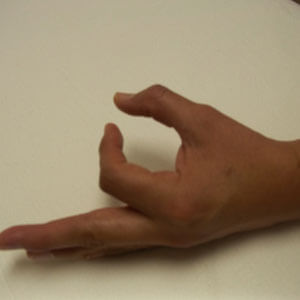
AGE OF TATTOO: 9 years old
STYLE: Amateur
SIZE: 1 sq. inch, $99
NUMBER OF TREATMENTS: 6 treatments
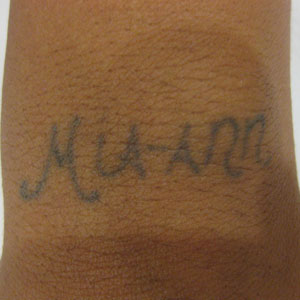
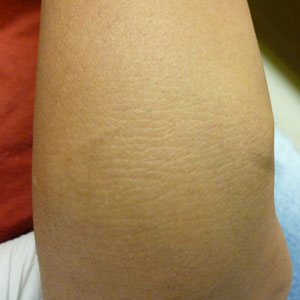
AGE OF TATTOO: 10 years old
STYLE: Professional
SIZE: 1.5 sq. inches, $119
NUMBER OF TREATMENTS: 2 treatments
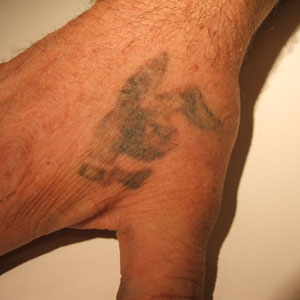
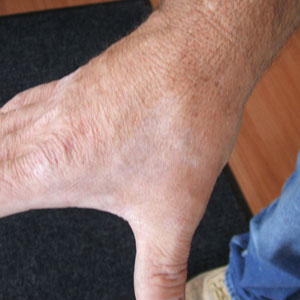
AGE OF TATTOO: 20 years old
STYLE: Amateur
SIZE: 1.5 sq. inches, $119
NUMBER OF TREATMENTS: 6 treatments
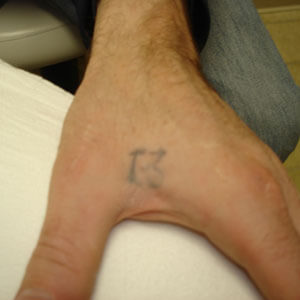
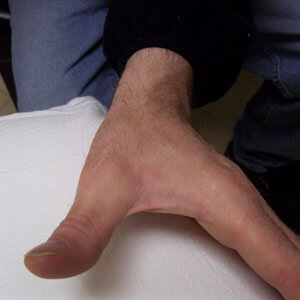
AGE OF TATTOO: 15 years old
STYLE: Amateur
SIZE: <1 sq inch, $49
NUMBER OF TREATMENTS: 3 treatments
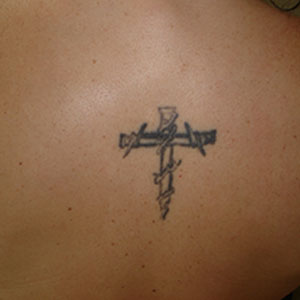
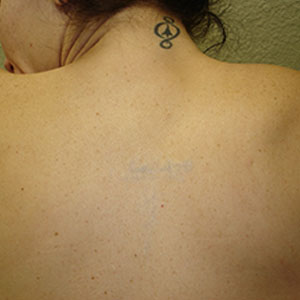
AGE OF TATTOO: 8 years old
STYLE: Professional
SIZE: 3 sq. inches, $177
NUMBER OF TREATMENTS: 5 treatments

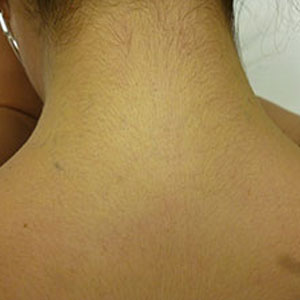
AGE OF TATTOO: 3 years old
STYLE: Professional
SIZE: 3 sq. inches, $177
NUMBER OF TREATMENTS: 4 treatments
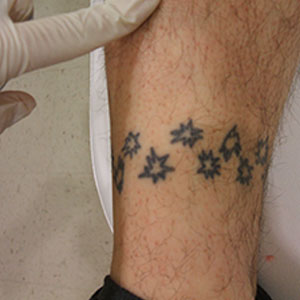
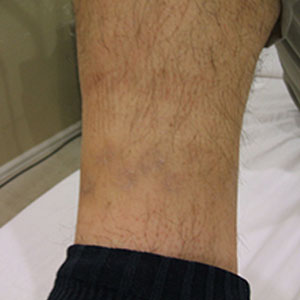
AGE OF TATTOO: 11 years old
STYLE: Professional
SIZE: 4 sq. inches, $216
NUMBER OF TREATMENTS: 9 treatments

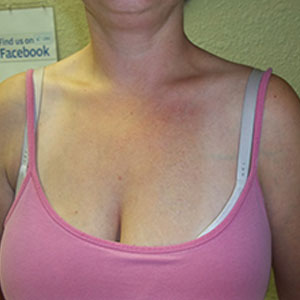
AGE OF TATTOO: 10 years old
STYLE: Professional
SIZE: 9 sq. inches, $294
NUMBER OF TREATMENTS: 8 treatments