



Il mercato dei giochi d’azzardo su dispositivi mobili ha registrato una crescita esponenziale negli ultimi cinque anni. Gli smartphone sono diventati la piattaforma preferita per scommettere su slot, roulette o poker, grazie alla loro portabilità e alla capacità di connettersi in tempo reale a server di gioco ad alta velocità. Parallelamente, i wallet digitali hanno guadagnato terreno rispetto ai tradizionali bonifici o carte di credito, offrendo transazioni quasi istantanee, ridotte commissioni e un livello di sicurezza difficile da eguagliare con i metodi legacy.
Per scoprire i migliori bookmaker non aams sicuri visita Manteniamociinformate. Il sito è una risorsa utile per chi desidera orientarsi tra i nuovi siti scommesse e i migliori siti scommesse, senza promuovere alcun operatore specifico.
In questo articolo analizzeremo l’integrazione tecnica di Apple Pay e Google Pay nei casinò mobile, i vantaggi operativi per gli operatori, le trasformazioni nel comportamento dei giocatori e le implicazioni di sicurezza e conformità. Concluderemo con uno sguardo alle frontiere emergenti, come blockchain, NFC e AI, per capire come il panorama dei pagamenti mobile continuerà a evolversi.
Apple Pay e Google Pay si basano su API che gestiscono tokenizzazione, crittografia end‑to‑end e certificati di autenticazione. Quando un giocatore avvia un deposito, il dispositivo genera un token univoco che sostituisce i dati della carta, eliminando la necessità di memorizzare informazioni sensibili.
Per gli sviluppatori il percorso tipico comprende:
Le integrazioni si adattano facilmente ai principali SDK: Swift per iOS, Kotlin per Android e Unity per i giochi cross‑platform. In Unity, ad esempio, è possibile utilizzare il plugin “Apple Pay for Unity” per gestire le richieste di pagamento senza uscire dal motore di gioco.
Tuttavia, gli operatori incontrano alcune difficoltà. Le limitazioni regionali possono bloccare l’uso di Apple Pay in paesi dove il servizio non è ancora supportato, costringendo a implementare fallback su carte tradizionali. Inoltre, versioni OS obsolete (iOS 11 o Android 7) non supportano le ultime API di sicurezza, richiedendo un “graceful degradation” dell’esperienza utente. Una soluzione pratica è implementare un rilevamento dinamico della versione del sistema e mostrare un messaggio contestuale che invita l’utente ad aggiornare il proprio dispositivo.
| Fase | Apple Pay | Google Pay |
|---|---|---|
| Merchant ID | Apple Developer Console | Google Cloud Console |
| Tokenizzazione | Device‑Specific Token | Payment Data Token |
| Autenticazione | Face ID / Touch ID | Fingerprint / PIN |
| SDK consigliato | PassKit (iOS) | Google Pay API (Android) |
Le best practice includono la registrazione dei log di validazione, la verifica della firma del token e l’uso di HTTPS con TLS 1.3 per tutte le comunicazioni.
La tokenizzazione riduce drasticamente il rischio di frodi: i dati della carta non transitano mai nei sistemi dell’operatore, limitando le opportunità di furto. L’autenticazione biometrica, obbligatoria per Apple Pay e consigliata per Google Pay, aggiunge un ulteriore livello di verifica, rendendo più difficile l’uso non autorizzato di un wallet.
Dal punto di vista dei costi, i charge‑back diminuiscono del 30‑40 % rispetto ai pagamenti con carta tradizionale, perché i token non possono essere contestati come una transazione di carta reale. Inoltre, le commissioni di intermediazione sono più contenute, poiché Apple e Google trattano le transazioni con tariffe fisse più basse rispetto ai circuiti Visa/Mastercard.
Questa efficienza si traduce in un funnel di deposito più veloce. I dati di Manteniamociinformate mostrano che i casinò che hanno introdotto Apple Pay hanno registrato un aumento del tasso di conversione del 12 % nei primi tre mesi, con un ARPU (Average Revenue Per User) che è cresciuto di circa 8 €.
I pagamenti digitali forniscono anche dati preziosi per l’analytics. Ogni token contiene informazioni su dispositivo, geolocalizzazione e metodo di autenticazione, consentendo di segmentare i giocatori in tempo reale. Un esempio pratico: un operatore può offrire un bonus “+20 % sul primo deposito via Apple Pay” a utenti con alta propensione al gioco mobile, aumentando la retention.
Questi vantaggi creano un circolo virtuoso: più sicurezza e velocità attirano nuovi giocatori, i dati raccolti migliorano le offerte, e le offerte più mirate aumentano il valore medio del cliente.
Le statistiche dei mercati USA, UE e Asia indicano una crescita costante dell’uso dei wallet digitali nei casinò mobile. Negli Stati Uniti, il 42 % dei depositi proviene da Apple Pay, mentre in Germania il 35 % è gestito tramite Google Pay. In Asia, la penetrazione è più bassa (circa 18 %) ma in rapida ascesa grazie all’adozione di dispositivi Android di ultima generazione.
Le generazioni più giovani mostrano preferenze distinte. La Gen Z, cresciuta con i pagamenti contactless, sceglie il wallet digitale nel 68 % dei casi, mentre i Millennials optano per Apple Pay nel 55 % e per le carte tradizionali nel 30 %. Questo “frictionless” effect riduce il tempo medio di gioco: i giocatori che usano Apple Pay spendono in media 15 minuti in più per sessione rispetto a chi utilizza bonifici bancari, poiché il processo di ricarica è quasi impercettibile.
Il risultato è una frequenza di ricarica più elevata. I dati di alcuni operatori mostrano che i giocatori che depositano con wallet digitali ricaricano il proprio conto 2,3 volte al mese, contro 1,6 volte per chi usa metodi tradizionali. Tuttavia, questa facilità può aumentare il rischio di gioco compulsivo. Le autorità di regolamentazione stanno quindi incoraggiando l’implementazione di limiti di deposito automatici, che possono essere attivati direttamente nell’app tramite le impostazioni di Apple Pay o Google Pay.
Queste dinamiche suggeriscono che gli operatori dovranno bilanciare l’esperienza “frictionless” con strumenti di responsabilità, come notifiche di spesa e opzioni di auto‑esclusione direttamente collegate al wallet.
L’integrazione di Apple Pay e Google Pay deve rispettare una serie di normative internazionali. PCI‑DSS rimane il requisito fondamentale per la gestione di dati di pagamento, anche se i token riducono l’esposizione diretta. Il GDPR impone la protezione dei dati personali dei giocatori europei, richiedendo anonimizzazione dei metadati di pagamento e consenso esplicito per il loro utilizzo a fini di marketing. Per le transazioni transfrontaliere, la normativa e‑IDAS garantisce la validità legale delle firme elettroniche, rilevante quando si utilizza l’autenticazione biometrica.
Apple richiede la “Merchant Validation”, ovvero la verifica del dominio del merchant tramite un certificato SSL e la registrazione del merchant ID. Google, invece, richiede la “Google Pay API compliance”, che prevede la dichiarazione dei livelli di sicurezza, l’uso di chiavi RSA a 2048 bit e la conformità al “Payment Card Industry Token Service Provider” (PCI‑TSP).
Per gestire i dati sensibili, è consigliabile adottare una strategia di “data minimization”: conservare solo i token, la data della transazione e l’ID del giocatore, eliminando ogni riferimento alla carta originale. I log di transazione devono essere archiviati per almeno 12 mesi, con accesso ristretto a personale autorizzato e cifratura a riposo.
Implementare questi controlli non solo riduce il rischio di violazioni, ma dimostra anche ai giocatori e alle autorità che l’operatore è impegnato nella protezione dei dati, rafforzando la fiducia nel brand.
Il panorama dei pagamenti mobile è destinato a evolversi rapidamente. Le stablecoin basate su blockchain, come USDC e DAI, stanno guadagnando interesse tra i casinò che desiderano offrire prelievi quasi immediati e ridurre le commissioni bancarie. Alcuni operatori sperimentano già integrazioni con wallet crypto, consentendo ai giocatori di depositare con un clic, mantenendo la trasparenza della blockchain per verificare l’integrità delle transazioni.
Parallelamente, la diffusione di dispositivi NFC e wearables apre la porta a esperienze di gioco “on‑the‑go”. Immaginate di scommettere su una slot machine direttamente dal polso con Apple Watch o Google Pixel Watch, senza nemmeno aprire l’app. Le API di pagamento NFC permettono di autorizzare un deposito con un semplice tap, riducendo ulteriormente la frizione.
L’intelligenza artificiale sta diventando un alleato nella lotta contro le frodi. Algoritmi di machine learning analizzano in tempo reale i pattern di pagamento, segnalando comportamenti anomali prima che il denaro venga trasferito. Questo approccio predittivo può ridurre i falsi positivi del 25 % rispetto ai tradizionali sistemi basati su regole statiche.
Infine, le normative emergenti come PSD2 e l’Open Banking in Europa stanno obbligando le banche a fornire API di pagamento aperte. Questo potrebbe creare un ecosistema competitivo dove wallet tradizionali, crypto e soluzioni bancarie si contendono la preferenza dei giocatori. Gli operatori dovranno quindi adottare architetture modulari, capaci di integrare rapidamente nuovi metodi di pagamento senza interrompere il servizio.
Queste tendenze indicano che la prossima generazione di casinò mobile dovrà essere altamente flessibile, pronta a incorporare soluzioni sia tradizionali che emergenti per mantenere un vantaggio competitivo.
Abbiamo esaminato come Apple Pay e Google Pay stanno trasformando i casinò online: dalla tokenizzazione e biometria che riducono le frodi, ai costi più bassi e al funnel di deposito più veloce che aumentano l’ARPU. I dati di comportamento mostrano che i giocatori più giovani preferiscono i wallet digitali, prolungando le sessioni di gioco ma richiedendo anche misure di responsabilità più robuste. La conformità a PCI‑DSS, GDPR e alle certificazioni specifiche dei wallet è fondamentale per garantire sicurezza e fiducia.
Guardando al futuro, le stablecoin, i pagamenti NFC tramite wearables e l’AI per la rilevazione delle frodi rappresentano le prossime frontiere. Le normative come PSD2 e l’Open Banking spingeranno gli operatori a costruire architetture modulari, pronte a integrare nuove soluzioni in tempi rapidi.
Per gli operatori è cruciale monitorare costantemente le tendenze, sperimentare nuove tecnologie e mantenere alti standard di sicurezza, così da offrire un’esperienza di gioco fluida, sicura e competitiva. Visitate Manteniamociinformate per approfondire ulteriori risorse sui nuovi siti scommesse e rimanere aggiornati sul panorama dei pagamenti mobile.



Ryan graduated with a Bachelor of Science in Nursing (BSN) in 2011 from Wayne State University in Detroit, MI. Upon graduating he started working in the ICU at Detroit Receiving Hospital in the Burn Unit where he specialized in treating trauma patients along with being a wound care specialist. It was there that he gained tremendous knowledge of the skin and how to recognize and treat burns and other skin related trauma. He also graduated with a Bachelor in Business Administration (BBA) in 2001 from Western Michigan University in Kalamazoo, MI, where he majored in Integrated Supply Chain Management (ISM) and minored in mathematics.
Ryan has earned two official certificates from the State of Colorado; Certified Laser Tattoo Specialist and Laser Safety Officer.
Ryan holds a license from the State of Michigan as a Registered Nurse (RN).
Ryan grew up in Metro Detroit, and has two sons named Jonathan and Christian and a daughter named Kaia. He enjoys golf, wakeboarding, and wakesurfing in the summer and skiing and snowmobiling in the winter.
Ryan is involved with the SaveHaiti volunteer team and he completed a one week mission to Haiti in 2013. During his mission trip their group helped set up a free clinic for local Haitians, which also included an operating room designed to perform cataract surgeries. During his time there, they assisted the locals with general health screenings, administering eye exams in conjunction with passing out the appropriate prescription glasses, and performing cataract surgeries for those in need. He is also involved in the annual Children’s Christmas Workshop in Northville, MI where they teach kids how to make presents for their friends and family by hand using tools under adult supervision. Each year they select 7 different gifts for the kids to construct from scratch with traditional materials like wood, wire, sheet tin, etc., and using other recycled materials, they then gift wrap them so they can be given away as presents. It is a wonderful learning experience for all the kids involved.
Dr. Silveira received her medical degree from the State University of New York at Stony Brook and completed her residency in Primary Care Internal Medicine at the Oregon Health and Sciences University in Portland OR. She has been practicing general medicine since 1999. She has a special interest in general cosmetic dermatology. She enjoys art, theater, and jazz. Read more.



I would like more information on
Call now to schedule your Free Consultation! 734-629-5434


AGE OF TATTOO: 8 years old
STYLE: Professional
SIZE: 1 sq. inch, $99
NUMBER OF TREATMENTS: 4 treatments


AGE OF TATTOO: 14 years old
STYLE: Professional
SIZE: 1.5 sq. inches, $119
NUMBER OF TREATMENTS: 6 treatments


AGE OF TATTOO: 7 years old
STYLE: Professional
SIZE: 3 sq. inches, $177
NUMBER OF TREATMENTS: 6 treatments


AGE OF TATTOO: 6 years old
STYLE: Professional
SIZE: 5 sq. inches, $255
NUMBER OF TREATMENTS: 5 treatments


AGE OF TATTOO: 12 years old
STYLE: Amateur
SIZE: 7 sq. inches, $294
NUMBER OF TREATMENTS: 12 treatments


AGE OF TATTOO: 10 years old
STYLE: Professional
SIZE: 5 sq. inches, $255
NUMBER OF TREATMENTS: 10 treatments


AGE OF TATTOO: 10 years old
STYLE: Professional
SIZE: 5 sq. inches, $255
NUMBER OF TREATMENTS: 10 treatments


AGE OF TATTOO: 8 years old
STYLE: Professional
SIZE: 7 sq. inches, $294
NUMBER OF TREATMENTS: 10 treatments


AGE OF TATTOO: 5 years old
STYLE: Professional
SIZE: 4 sq. inches, $216
NUMBER OF TREATMENTS: 7 treatments


AGE OF TATTOO: 17 years old
STYLE: Professional
SIZE: 2 sq. inches, $138
NUMBER OF TREATMENTS: 4 treatments
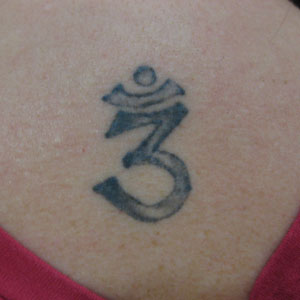

AGE OF TATTOO: 8 years old
STYLE: Professional
SIZE: 3 sq. inches, $177
NUMBER OF TREATMENTS: 5 treatments


AGE OF TATTOO: 9 years old
STYLE: Amateur
SIZE: 1 sq. inch, $99
NUMBER OF TREATMENTS: 6 treatments
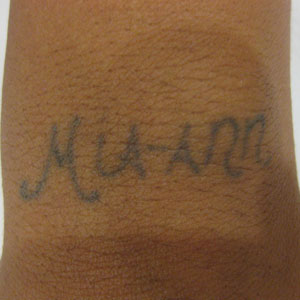
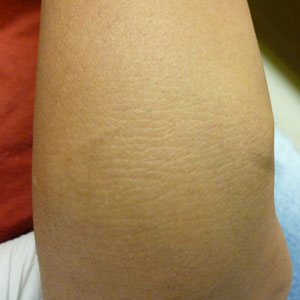
AGE OF TATTOO: 10 years old
STYLE: Professional
SIZE: 1.5 sq. inches, $119
NUMBER OF TREATMENTS: 2 treatments
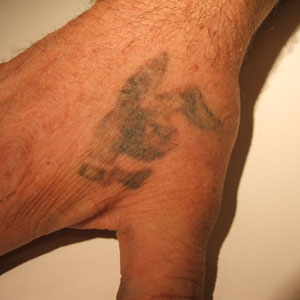
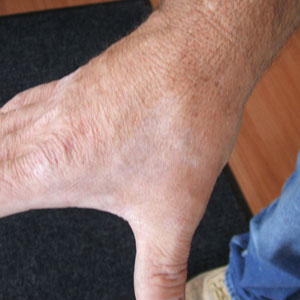
AGE OF TATTOO: 20 years old
STYLE: Amateur
SIZE: 1.5 sq. inches, $119
NUMBER OF TREATMENTS: 6 treatments
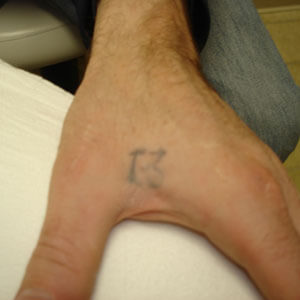

AGE OF TATTOO: 15 years old
STYLE: Amateur
SIZE: <1 sq inch, $49
NUMBER OF TREATMENTS: 3 treatments

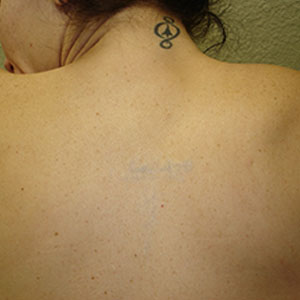
AGE OF TATTOO: 8 years old
STYLE: Professional
SIZE: 3 sq. inches, $177
NUMBER OF TREATMENTS: 5 treatments


AGE OF TATTOO: 3 years old
STYLE: Professional
SIZE: 3 sq. inches, $177
NUMBER OF TREATMENTS: 4 treatments
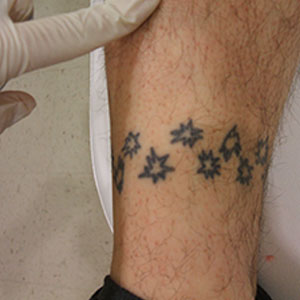
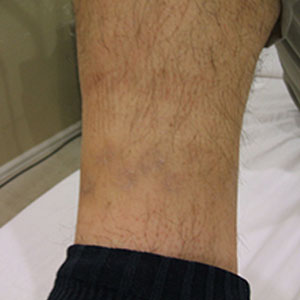
AGE OF TATTOO: 11 years old
STYLE: Professional
SIZE: 4 sq. inches, $216
NUMBER OF TREATMENTS: 9 treatments


AGE OF TATTOO: 10 years old
STYLE: Professional
SIZE: 9 sq. inches, $294
NUMBER OF TREATMENTS: 8 treatments