



Il mondo dei live casino ha raggiunto una maturità sorprendente: i tavoli virtuali non sono più una semplice replica di quelli tradizionali, ma veri ambienti interattivi dove la qualità dello streaming, l’intelligenza artificiale e i pagamenti crittografici si fondono per creare un’esperienza quasi tangibile. Nella seconda frase è possibile approfondire questo scenario consultando il sito di riferimento crypto casino, una risorsa che raccoglie informazioni utili su soluzioni blockchain per il gioco online.
Oggi i giocatori si aspettano una trasmissione in alta definizione, tempi di risposta quasi istantanei e la certezza che le proprie puntate siano gestite in modo trasparente. L’adozione di codec avanzati, l’uso di server edge e la possibilità di depositare Bitcoin o altre monete digitali hanno ridisegnato il panorama del gambling digitale. In questo articolo andremo a esaminare in profondità le otto componenti tecniche che stanno plasmando il futuro dei live casino, dal livello di rete fino all’interazione con dealer ibridi.
Le piattaforme di live casino hanno abbandonato i vecchi flussi MPEG‑2 a favore di codec più efficienti come HEVC (H.265) e il nuovo standard open‑source AV1. Questi codec riducono la larghezza di banda necessaria del 30‑40 % mantenendo una risoluzione 4K a 60 fps, il che è fondamentale per mostrare chiaramente le carte, le ruote della roulette o le palline del baccarat.
Sul piano dei protocolli, WebRTC è diventato lo standard de facto per la trasmissione bidirezionale a bassa latenza, grazie al suo modello di peer‑to‑peer e alla capacità di adattare dinamicamente il bitrate. Alcuni operatori stanno sperimentando SRT (Secure Reliable Transport) per garantire la resilienza del flusso anche su reti instabili, combinandolo con TLS 1.3 per la crittografia.
Le infrastrutture edge‑computing svolgono un ruolo cruciale: posizionando server di transcodifica a pochi chilometri dall’utente finale, il ritardo tra il dealer e il giocatore scende sotto i 70 ms, un valore quasi impercettibile per l’occhio umano. Quando la latenza è bassa, la percezione di “real‑time” aumenta, rafforzando la fiducia del giocatore nella correttezza del gioco.
| Tecnologia | Codifica | Protocollo | Latency tipica |
|---|---|---|---|
| Soluzione A | HEVC | WebRTC | 55 ms |
| Soluzione B | AV1 | SRT + TLS | 68 ms |
| Soluzione C | H.264 | HLS (adaptive) | 120 ms |
In sintesi, la combinazione di codec di ultima generazione, protocolli a bassa latenza e edge‑computing rende possibile un’esperienza live indistinguibile da quella in un casinò fisico, ma con la comodità di un’interfaccia digitale.
L’AI è ora il custode invisibile dei tavoli live. Attraverso il riconoscimento facciale, i sistemi verificano in tempo reale l’identità del dealer, confrontandola con un database interno per prevenire l’uso di falsi volti o deep‑fake. Inoltre, l’analisi comportamentale rileva micro‑movimenti anomali, come la variazione della pressione sul tavolo, segnalando potenziali tentativi di manipolazione.
Un altro ambito di applicazione è la gestione automatica delle puntate. Gli algoritmi di machine learning analizzano la sequenza delle scommesse, identificano pattern di comportamento ad alto rischio (es. betting storms) e attivano limiti di wagering in modo proattivo, riducendo il rischio di frodi sia per l’operatore che per il giocatore.
Dal punto di vista normativo, l’AI aiuta a soddisfare i requisiti di AML (Anti‑Money Laundering) e KYC (Know Your Customer). I registri delle sessioni vengono etichettati automaticamente e conservati per il periodo richiesto dalle autorità, garantendo una tracciabilità completa.
Per i giocatori, la trasparenza aumenta: la possibilità di visualizzare un badge “AI‑verified dealer” accanto al nome del croupier crea un senso di sicurezza, soprattutto quando si scommette su giochi ad alta volatilità come il Dragon Tiger.
Le criptovalute hanno rivoluzionato il modo di depositare e prelevare fondi nei live casino. Bitcoin, Ethereum e stablecoin come USDC permettono transazioni quasi istantanee, con commissioni inferiori al 0,2 % rispetto ai tradizionali bonifici bancari. Inoltre, l’anonimato offerto dalle wallet non‑custodial è apprezzato da chi desidera mantenere separata la propria identità reale dal profilo di gioco.
L’integrazione di wallet non‑custodial consente al giocatore di controllare direttamente le proprie chiavi private; le piattaforme non trattengono i fondi, ma fungono da canale sicuro per il trasferimento. Alcuni operatori hanno implementato smart‑contract che automatizzano i payout: una volta verificata la vincita, il contratto invia immediatamente la somma al wallet del giocatore, eliminando i tempi di attesa tipici dei processi manuali.
Tuttavia, la sicurezza rimane una sfida. La gestione delle chiavi private è delicata, e le piattaforme devono offrire soluzioni di backup e recupero, oltre a monitorare costantemente le vulnerabilità di rete. Dal punto di vista regolamentare, le autorità fiscali richiedono la tracciabilità delle transazioni, spingendo gli operatori a implementare soluzioni di “on‑chain reporting” che rispettino le normative AML.
Le dashboard in‑game forniscono dati immediati su vincite, probabilità di payout e trend di puntata. Ad esempio, durante una partita di Blackjack, il giocatore può vedere una barra che indica il “RTP corrente” (Return to Player) basato sulle carte distribuite, consentendo decisioni più informate su quando raddoppiare o dividere.
Per i dealer, le analytics mostrano metriche operative: tempo medio di gestione di una mano, percentuale di errori di misurazione e indice di soddisfazione del cliente. Queste informazioni vengono aggregate in tempo reale e inviate a un cruscotto di supervisione, dove i manager possono intervenire prontamente in caso di anomalie.
I big data giocano un ruolo chiave nella personalizzazione dell’offerta. Analizzando il comportamento di gioco, l’algoritmo suggerisce promozioni mirate, come un bonus del 100 % sul primo deposito in Bitcoin per i giocatori che hanno mostrato interesse per la roulette europea. Questo approccio aumenta il tasso di retention del 15 % rispetto a campagne generiche.
Vantaggi per il giocatore
– Decisioni di scommessa basate su probabilità reali.
– Accesso a promozioni personalizzate (es. “bonus 20 % su giochi online”).
– Maggiore trasparenza su volatilità e payout.
La compatibilità cross‑platform è ormai un requisito fondamentale. I tavoli live devono funzionare senza soluzione di continuità su browser desktop, app mobili, console e dispositivi VR/AR. L’interfaccia utente (UI) è progettata con un layout responsive che adatta le dimensioni delle carte e dei pulsanti in base al dispositivo, mantenendo la leggibilità anche su occhiali VR a 90 Hz.
Le applicazioni di realtà aumentata (AR) stanno aprendo nuove possibilità di interazione. Immaginate di indossare un visore AR e di vedere il dealer seduto a un tavolo virtuale nel proprio soggiorno, con la possibilità di “toccare” le fiches tramite gesture. Questo livello di immersione aumenta la percezione di presenza, facendo sentire il giocatore parte di un ambiente reale.
Le sfide includono la latenza di rendering 3D e la sincronizzazione audio‑video. Gli sviluppatori stanno adottando pipeline di rendering basate su Vulkan per ridurre il tempo di frame a meno di 16 ms, garantendo che i movimenti del dealer siano percepiti senza ritardi.
Proteggere il feed video è essenziale per evitare intercettazioni e manipolazioni. La maggior parte delle piattaforme utilizza TLS 1.3 per cifrare il canale di segnalazione (signaling) e SRTP (Secure Real‑time Transport Protocol) per i pacchetti media. Le chiavi di cifratura vengono rotate ogni 10 minuti, riducendo la superficie di attacco.
Per verificare l’autenticità del video, molti operatori impiegano watermarking digitale visibile solo a software di verifica. Alcune soluzioni più avanzate registrano l’hash del frame su una blockchain pubblica, creando una prova immutabile che il contenuto non è stato alterato.
Le procedure di disaster recovery includono la replica dei server di streaming in più data center geograficamente distribuiti. In caso di guasto di una zona, il traffico viene reindirizzato automaticamente verso il nodo di backup, garantendo una continuità operativa superiore al 99,9 %.
Una rete globale di CDN (Content Delivery Network) permette di posizionare i punti di ingresso a pochi chilometri dagli utenti finali. Per i giocatori asiatici, i server situati a Singapore o Tokyo riducono la latenza media a 70 ms, rispetto ai 200 ms tipici di connessioni transatlantiche.
Le tecniche di adaptive bitrate modulano la qualità del video in base alla capacità della connessione, evitando buffering prolungati. Il buffering intelligente pre‑carica i primi secondi di stream, ma rilascia i dati successivi solo quando la rete dimostra stabilità, prevenendo interruzioni durante le fasi critiche del gioco.
Caso studio: un operatore ha migrato il proprio nodo di streaming da Los Angeles a un data center di Hong Kong. Dopo l’implementazione, la latenza per gli utenti in Corea del Sud è scesa da 200 ms a 70 ms, con un incremento del 12 % nel tasso di conversione delle puntate live.
L’IA generativa, come i modelli di linguaggio avanzati, sta consentendo la creazione di avatar ibridi che combinano la spontaneità umana con la coerenza di un bot. Un dealer virtuale può rispondere a domande dei giocatori in tempo reale, generare commenti personalizzati e persino adattare la musica di sottofondo in base al mood della tavola.
Questi avatar collaborano con dealer umani: il croupier reale gestisce le decisioni critiche (es. distribuzione delle carte), mentre l’IA genera effetti visivi dinamici, come fuochi d’artificio digitali quando viene colto un jackpot.
Le implicazioni etiche riguardano la trasparenza: i giocatori devono essere informati quando interagiscono con un avatar IA. Inoltre, le autorità di gioco richiederanno audit per verificare che le decisioni di payout non siano influenzate da algoritmi non verificati.
Abbiamo esplorato otto pilastri tecnologici che stanno ridefinendo il live casino: streaming ultra‑low latency, AI per il monitoring, pagamenti in Bitcoin, analytics in tempo reale, esperienze multicanale, crittografia end‑to‑end, ottimizzazione della rete globale e dealer ibridi generati dall’IA. L’integrazione di queste soluzioni crea un ecosistema più veloce, sicuro e coinvolgente, dove la trasparenza è garantita da blockchain e AI‑verified dealer, e le vincite real‑time sono frutto di una rete priva di colli di bottiglia.
Per gli operatori, la sfida è adottare queste innovazioni mantenendo la conformità normativa e offrendo promozioni competitive, come bonus in Bitcoin per i nuovi utenti. Per i giocatori, il risultato è un’esperienza di gioco più fluida, con la possibilità di consultare risorse come Piscinadellerose per approfondire le opportunità offerte dal mondo delle criptovalute nel gambling. Il futuro dei live casino è già qui, e chi saprà combinarne la tecnologia con la fiducia guadagnerà la posizione di leader nel mercato.


Ryan graduated with a Bachelor of Science in Nursing (BSN) in 2011 from Wayne State University in Detroit, MI. Upon graduating he started working in the ICU at Detroit Receiving Hospital in the Burn Unit where he specialized in treating trauma patients along with being a wound care specialist. It was there that he gained tremendous knowledge of the skin and how to recognize and treat burns and other skin related trauma. He also graduated with a Bachelor in Business Administration (BBA) in 2001 from Western Michigan University in Kalamazoo, MI, where he majored in Integrated Supply Chain Management (ISM) and minored in mathematics.
Ryan has earned two official certificates from the State of Colorado; Certified Laser Tattoo Specialist and Laser Safety Officer.
Ryan holds a license from the State of Michigan as a Registered Nurse (RN).
Ryan grew up in Metro Detroit, and has two sons named Jonathan and Christian and a daughter named Kaia. He enjoys golf, wakeboarding, and wakesurfing in the summer and skiing and snowmobiling in the winter.
Ryan is involved with the SaveHaiti volunteer team and he completed a one week mission to Haiti in 2013. During his mission trip their group helped set up a free clinic for local Haitians, which also included an operating room designed to perform cataract surgeries. During his time there, they assisted the locals with general health screenings, administering eye exams in conjunction with passing out the appropriate prescription glasses, and performing cataract surgeries for those in need. He is also involved in the annual Children’s Christmas Workshop in Northville, MI where they teach kids how to make presents for their friends and family by hand using tools under adult supervision. Each year they select 7 different gifts for the kids to construct from scratch with traditional materials like wood, wire, sheet tin, etc., and using other recycled materials, they then gift wrap them so they can be given away as presents. It is a wonderful learning experience for all the kids involved.
Dr. Silveira received her medical degree from the State University of New York at Stony Brook and completed her residency in Primary Care Internal Medicine at the Oregon Health and Sciences University in Portland OR. She has been practicing general medicine since 1999. She has a special interest in general cosmetic dermatology. She enjoys art, theater, and jazz. Read more.

I would like more information on

Call now to schedule your Free Consultation! 734-629-5434


AGE OF TATTOO: 8 years old
STYLE: Professional
SIZE: 1 sq. inch, $99
NUMBER OF TREATMENTS: 4 treatments


AGE OF TATTOO: 14 years old
STYLE: Professional
SIZE: 1.5 sq. inches, $119
NUMBER OF TREATMENTS: 6 treatments


AGE OF TATTOO: 7 years old
STYLE: Professional
SIZE: 3 sq. inches, $177
NUMBER OF TREATMENTS: 6 treatments
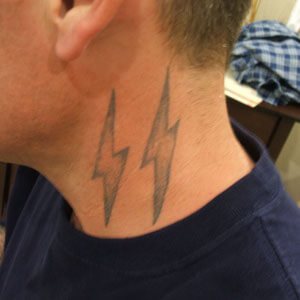

AGE OF TATTOO: 6 years old
STYLE: Professional
SIZE: 5 sq. inches, $255
NUMBER OF TREATMENTS: 5 treatments

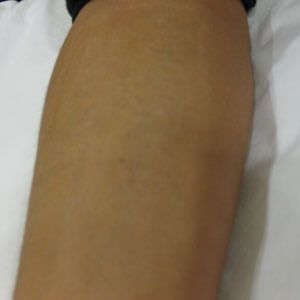
AGE OF TATTOO: 12 years old
STYLE: Amateur
SIZE: 7 sq. inches, $294
NUMBER OF TREATMENTS: 12 treatments

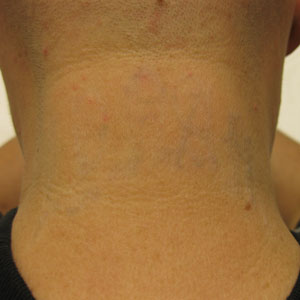
AGE OF TATTOO: 10 years old
STYLE: Professional
SIZE: 5 sq. inches, $255
NUMBER OF TREATMENTS: 10 treatments


AGE OF TATTOO: 10 years old
STYLE: Professional
SIZE: 5 sq. inches, $255
NUMBER OF TREATMENTS: 10 treatments

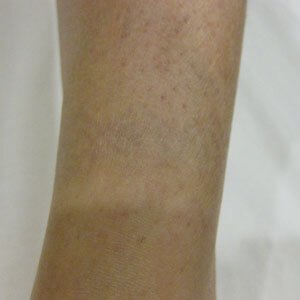
AGE OF TATTOO: 8 years old
STYLE: Professional
SIZE: 7 sq. inches, $294
NUMBER OF TREATMENTS: 10 treatments


AGE OF TATTOO: 5 years old
STYLE: Professional
SIZE: 4 sq. inches, $216
NUMBER OF TREATMENTS: 7 treatments


AGE OF TATTOO: 17 years old
STYLE: Professional
SIZE: 2 sq. inches, $138
NUMBER OF TREATMENTS: 4 treatments
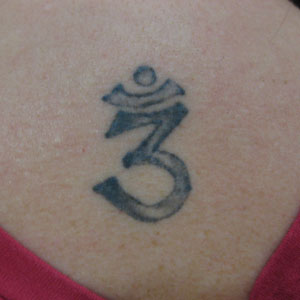

AGE OF TATTOO: 8 years old
STYLE: Professional
SIZE: 3 sq. inches, $177
NUMBER OF TREATMENTS: 5 treatments


AGE OF TATTOO: 9 years old
STYLE: Amateur
SIZE: 1 sq. inch, $99
NUMBER OF TREATMENTS: 6 treatments
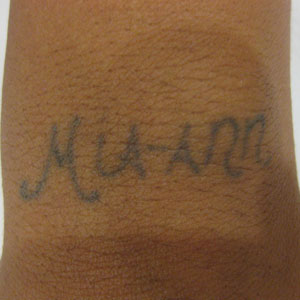
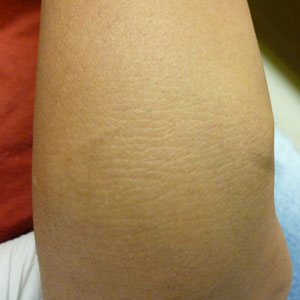
AGE OF TATTOO: 10 years old
STYLE: Professional
SIZE: 1.5 sq. inches, $119
NUMBER OF TREATMENTS: 2 treatments
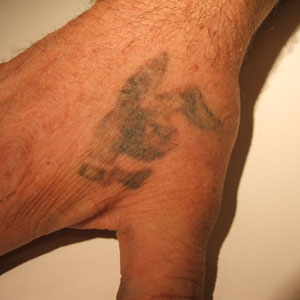
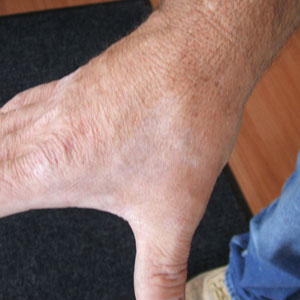
AGE OF TATTOO: 20 years old
STYLE: Amateur
SIZE: 1.5 sq. inches, $119
NUMBER OF TREATMENTS: 6 treatments
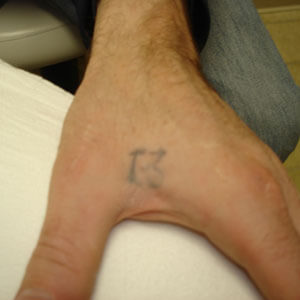

AGE OF TATTOO: 15 years old
STYLE: Amateur
SIZE: <1 sq inch, $49
NUMBER OF TREATMENTS: 3 treatments
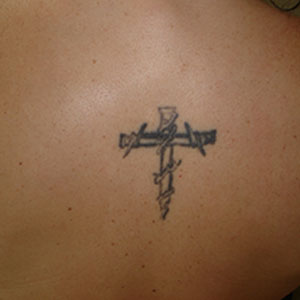
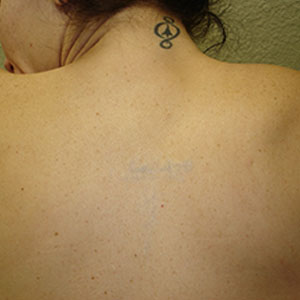
AGE OF TATTOO: 8 years old
STYLE: Professional
SIZE: 3 sq. inches, $177
NUMBER OF TREATMENTS: 5 treatments


AGE OF TATTOO: 3 years old
STYLE: Professional
SIZE: 3 sq. inches, $177
NUMBER OF TREATMENTS: 4 treatments
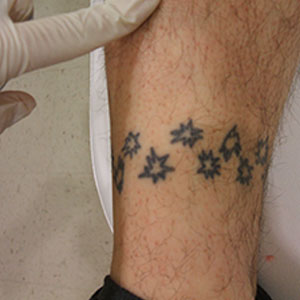
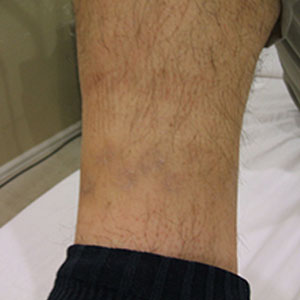
AGE OF TATTOO: 11 years old
STYLE: Professional
SIZE: 4 sq. inches, $216
NUMBER OF TREATMENTS: 9 treatments
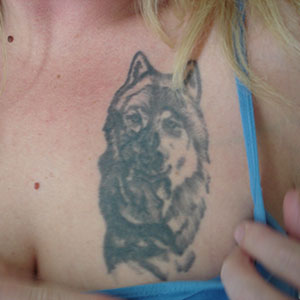

AGE OF TATTOO: 10 years old
STYLE: Professional
SIZE: 9 sq. inches, $294
NUMBER OF TREATMENTS: 8 treatments