



Il mercato delle scommesse sportive e del live casino sta vivendo una fase di consolidamento e innovazione senza precedenti. La proliferazione di piattaforme multicanale, i pagamenti veloci e la possibilità di giocare senza documenti hanno reso l’accesso al gioco d’azzardo più immediato che mai. In questo contesto, i giocatori più profittevoli non si affidano più al “sentire” o alle intuizioni, ma a metodologie basate su dati, modelli matematici e una gestione rigorosa del capitale.
Per approfondire i vantaggi dei free‑spin, scopri il nostro articolo su casino non aams. Il sito Confesercentitoscananord, infatti, offre una panoramica chiara delle normative e dei servizi disponibili per gli operatori, ma è anche una risorsa utile per chi desidera capire come i bonus casinò possono essere integrati in una strategia più ampia.
Questo articolo propone un “metodo scientifico” per gestire il bankroll, ottimizzare le puntate sportive e sfruttare i free‑spin nei giochi live. L’obiettivo è trasformare ogni decisione di gioco in un esperimento controllato: formulare un’ipotesi, raccogliere dati, analizzare i risultati e, infine, adattare la strategia. Seguendo i passi indicati, il lettore potrà passare da un approccio casuale a uno basato su evidenze, riducendo il rischio e aumentando le probabilità di profitto sostenibile.
Il bankroll è l’ammontare di denaro destinato esclusivamente al gioco. Senza una separazione netta tra finanze personali e capitale di gioco, ogni perdita può trasformarsi in un danno reale. La prima regola scientifica è definire il bankroll come una variabile stocastica: un valore che varia nel tempo ma che deve rimanere entro limiti di volatilità accettabili.
Il Kelly Criterion è il modello più citato per calcolare la puntata ottimale. La formula base è f* = (bp – q) / b, dove b è la quota netta, p la probabilità stimata di vincita e q = 1 – p. Applicata alle scommesse sportive, fornisce la percentuale di bankroll da rischiare su ogni evento.
Quando si introducono i free‑spin, il valore atteso (EV) della puntata aumenta: il costo marginale è zero, ma il potenziale di vincita resta legato al RTP della slot. Per integrare i free‑spin nel Kelly, si può considerare b come il rapporto tra il payout medio della spin e il valore nominale del bonus.
Esempio pratico
– Bankroll iniziale: €1 000
– Scommessa su partita di calcio con quota 2,10
– Probabilità stimata di vittoria: 48 % (p = 0.48)
– Kelly completo: f* = (1,10·0,48 – 0,52) / 1,10 ≈ 0,027 → 2,7 % del bankroll = €27
Aggiungiamo 20 € di free‑spin con RTP 96 %: l’EV dei free‑spin è 0,96·20 = €19,20. Se li consideriamo come “cash‑out” aggiuntivo, la percentuale Kelly sale a circa 3,5 %, portando la puntata a €35. Questo piccolo aggiustamento può fare la differenza in una serie di scommesse consecutive.
Confrontare l’EV di una scommessa sportiva con quello di una mano di live casino richiede una valutazione su più dimensioni: probabilità implicita, volatilità e ritorno medio (RTP). Le quote sportive rappresentano la probabilità inversa di un evento (p = 1/odds), mentre il RTP di un gioco live indica la percentuale di denaro restituito al lungo termine.
Per raccogliere dati affidabili, i giocatori esperti usano software di tracking come BetBuddy o MyStake. Questi strumenti salvano ogni scommessa, la quota, il risultato e, per i giochi live, l’RTP, la volatilità e il numero di mani giocate. Con un campione di almeno 200 eventi, è possibile calcolare l’EV medio e la deviazione standard.
Caso studio
– Scommessa calcio: quota 1,90, probabilità reale stimata 55 % → EV = 0,55·1,90 – 0,45 = €0,095 per €1 scommessi (9,5 % di profitto teorico).
– Live blackjack con free‑spin: RTP 99,3 % (senza bonus), aggiungiamo 10 € di free‑spin con RTP 96 % → EV totale = (0,993·100 + 0,96·10)/110 ≈ 0,991 → €0,991 per €1 giocati (99,1 % di ritorno).
Sebbene il blackjack sembri più “sicuro”, la differenza di profitto teorico è minima rispetto alla scommessa sportiva con alta probabilità. Tuttavia, la volatilità del gioco live è inferiore, il che rende la gestione del bankroll più stabile.
| Aspetto | Scommessa sportiva | Live casino (blackjack) |
|---|---|---|
| EV per €1 | +0,095 € (9,5 %) | –0,009 € (‑0,9 %) |
| Volatilità (σ) | alta (≈0,30) | bassa (≈0,10) |
| Tempo medio di risultato | 90 min (match) | 5 min (mano) |
| Impatto dei free‑spin | limitato (solo slot) | significativo (RTP bonus) |
Questa tabella evidenzia come la scelta tra sport e live dipenda dal profilo di rischio del giocatore.
I free‑spin sono un “credito di gioco” senza costo diretto, ma con limitazioni: valore massimo di vincita, requisiti di wagering e, talvolta, soglie di cash‑out. Per valutare il loro valore atteso, occorre calcolare la probabilità di ottenere un payout significativo in una singola spin. Supponiamo una slot a 5 rulli, 20 linee, RTP 96 % e un moltiplicatore medio di 2,5× sul valore della spin.
Valutazione del valore atteso
– Probabilità di vincita (qualunque premio): 30 % (tipico per slot medio)
– Vincita media per spin vincente: €0,10·2,5 = €0,25 (se il valore della spin è €0,10)
– EV per spin = 0,30·0,25 = €0,075 → 75 % del valore nominale della spin
Se il bonus offre 20 free‑spin da €0,10 ciascuna, l’EV totale è 20·€0,075 = €1,50. Questo valore deve essere inserito come “budget bonus” separato dal bankroll reale.
Separare i due consente di utilizzare i free‑spin per testare nuove slot live senza intaccare il capitale principale. Se il risultato è positivo, il guadagno può essere trasferito al bankroll reale; se è negativo, la perdita è limitata al valore atteso del bonus.
Strategia di layering
– Impostare un limite di €5 di guadagni derivanti da free‑spin prima di reinvestirli.
– Non utilizzare i free‑spin per coprire perdite del capitale reale.
– Registrare ogni spin in un foglio di calcolo per monitorare il tasso di conversione reale rispetto all’EV teorico.
Una routine di staking è il pilastro operativo di qualsiasi strategia basata sul Kelly o su unità fisse. La prima decisione è definire l’unità di puntata: tipicamente l’1 % del bankroll per scommesse a bassa volatilità, l’1,5 % per quelle più rischiose.
Questo approccio mantiene la crescita esponenziale sotto controllo, evitando picchi di volatilità.
Le regole si basano su deviazioni standard calcolate sui risultati degli ultimi 30 eventi. Se la perdita supera 2σ, è il segnale di un possibile cambiamento nelle condizioni di mercato (quote più sfavorevoli, infortuni, ecc.).
Riservare il 20 % del tempo di gioco a live casino consente di diversificare le fonti di profitto. Ad esempio, in una giornata di 4 ore di gioco, dedicare 48 minuti a roulette live, 48 minuti a blackjack con free‑spin e il resto alle scommesse sportive.
Vantaggi dell’integrazione
– Riduzione della correlazione tra risultati sportivi e casinò.
– Possibilità di sfruttare promozioni live (es. “double free‑spin” per blackjack).
– Incremento del ROI complessivo grazie a EV positivo in più settori.
Anche la strategia più sofisticata può fallire se il giocatore non controlla i propri bias cognitivi. Il gambler’s fallacy porta a credere che una serie di perdite aumenti la probabilità di una vincita, mentre l’overconfidence spinge a sovrastimare le proprie capacità di lettura delle quote. Entrambi i bias aumentano il rischio di superare i limiti di staking.
I free‑spin sono allettanti perché non richiedono investimento. Tuttavia, possono innescare una spirale di “chasing” quando il giocatore cerca di recuperare un bankroll in calo usando più bonus. Per prevenirlo:
Un approccio scientifico richiede dati puliti e analisi rapide. Ecco gli strumenti più consigliati:
Creare una dashboard con le seguenti metriche:
– ROI (%) = profitto netto / somma puntata.
– Hit‑rate = numero di scommesse vincenti / totale scommesse.
– Volatilità (σ) = deviazione standard dei risultati per periodo di 30 giorni.
– Bonus utilization = % di free‑spin convertiti in cash.
Aggiornare la dashboard ogni 24 ore permette di identificare trend emergenti e di intervenire prima che le perdite si accumulino.
Utilizzare script in Google Apps Script per esportare i dati dal foglio di calcolo e inviare via email un report settimanale con grafici a barre, tabelle pivot e raccomandazioni operative (es. “ridurre unità a 0,8 U per la prossima settimana”).
Una gestione scientifica del bankroll, supportata da modelli matematici come il Kelly Criterion, consente di trasformare ogni puntata in una decisione basata su evidenze. L’integrazione intelligente dei free‑spin, trattati come un budget bonus separato, aggiunge valore atteso senza compromettere il capitale reale. Unendo scommesse sportive e live casino, il giocatore ottiene una diversificazione che riduce la volatilità complessiva e aumenta le opportunità di profitto.
Il percorso di 30 giorni proposto dimostra come passare dalla teoria all’azione: audit, implementazione di strumenti digitali, test di free‑spin, analisi dei risultati e scaling controllato. Seguendo questo piano, il lettore potrà consolidare una disciplina emotiva, mitigare i bias cognitivi e, soprattutto, trasformare la casualità del gioco in un processo misurabile e replicabile.
Per approfondire ulteriormente le opportunità offerte dal settore, visita nuovamente Confesercentitoscananord, un punto di riferimento per chi desidera informarsi su normative, pagamenti veloci e giochi online in modo trasparente e responsabile.


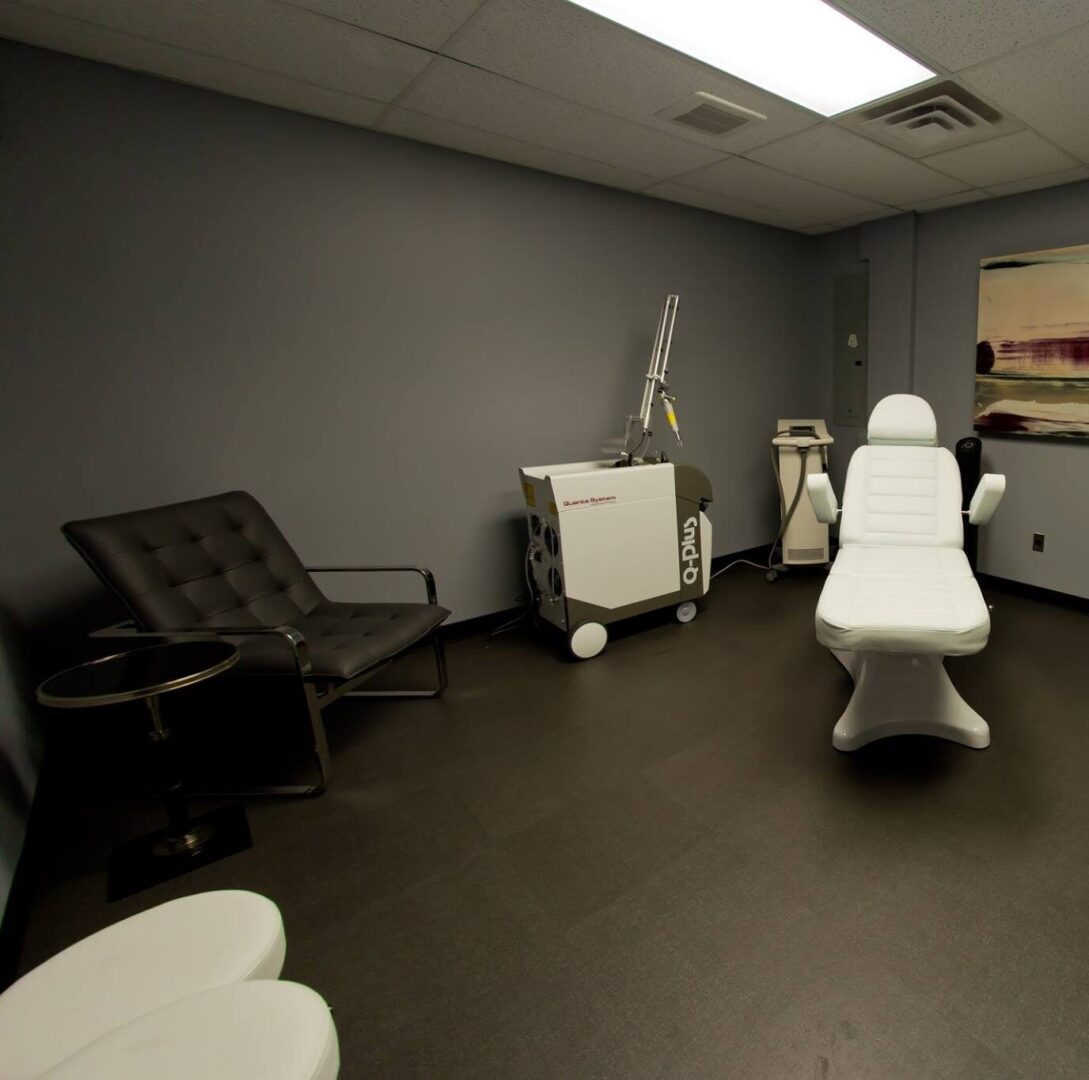
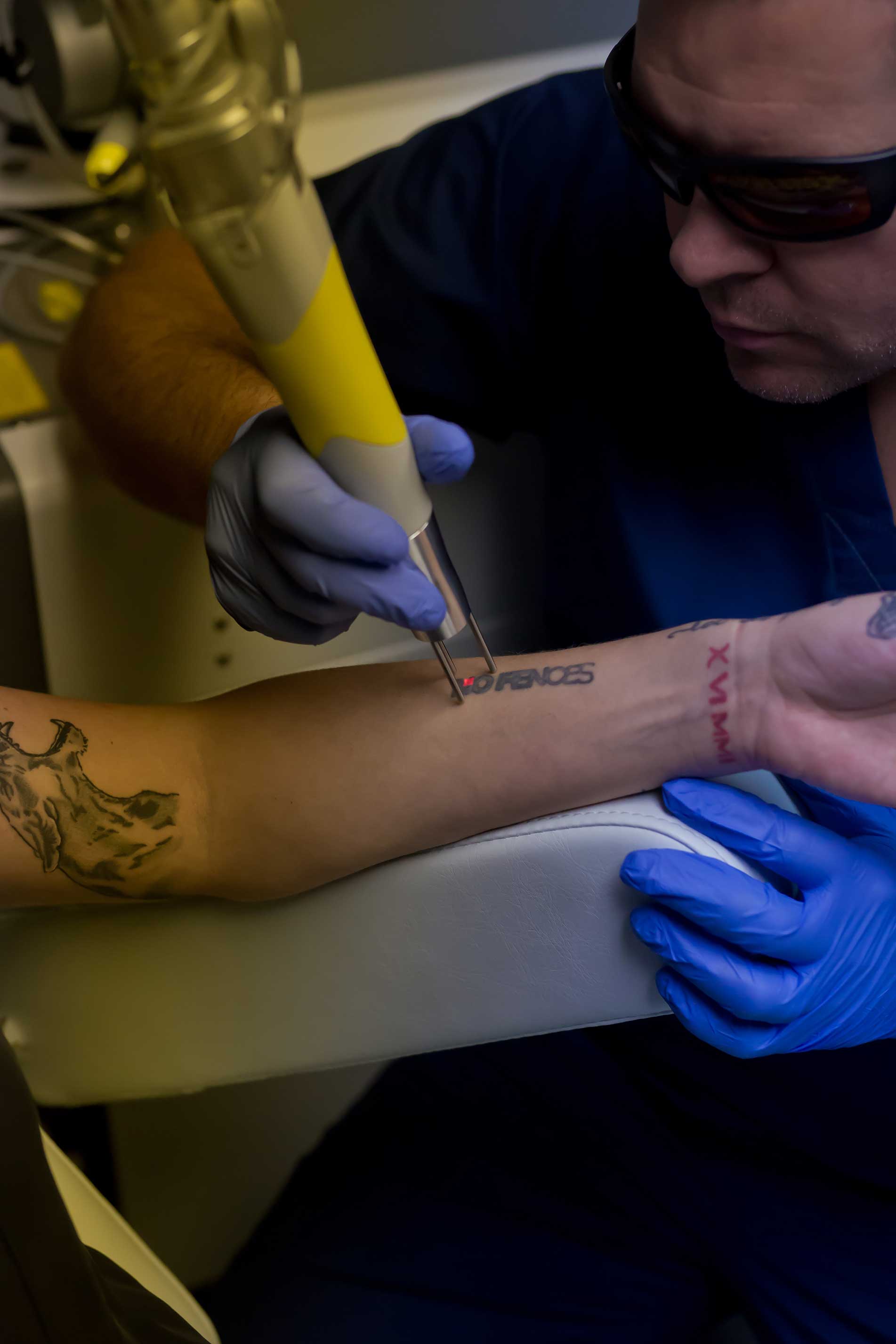
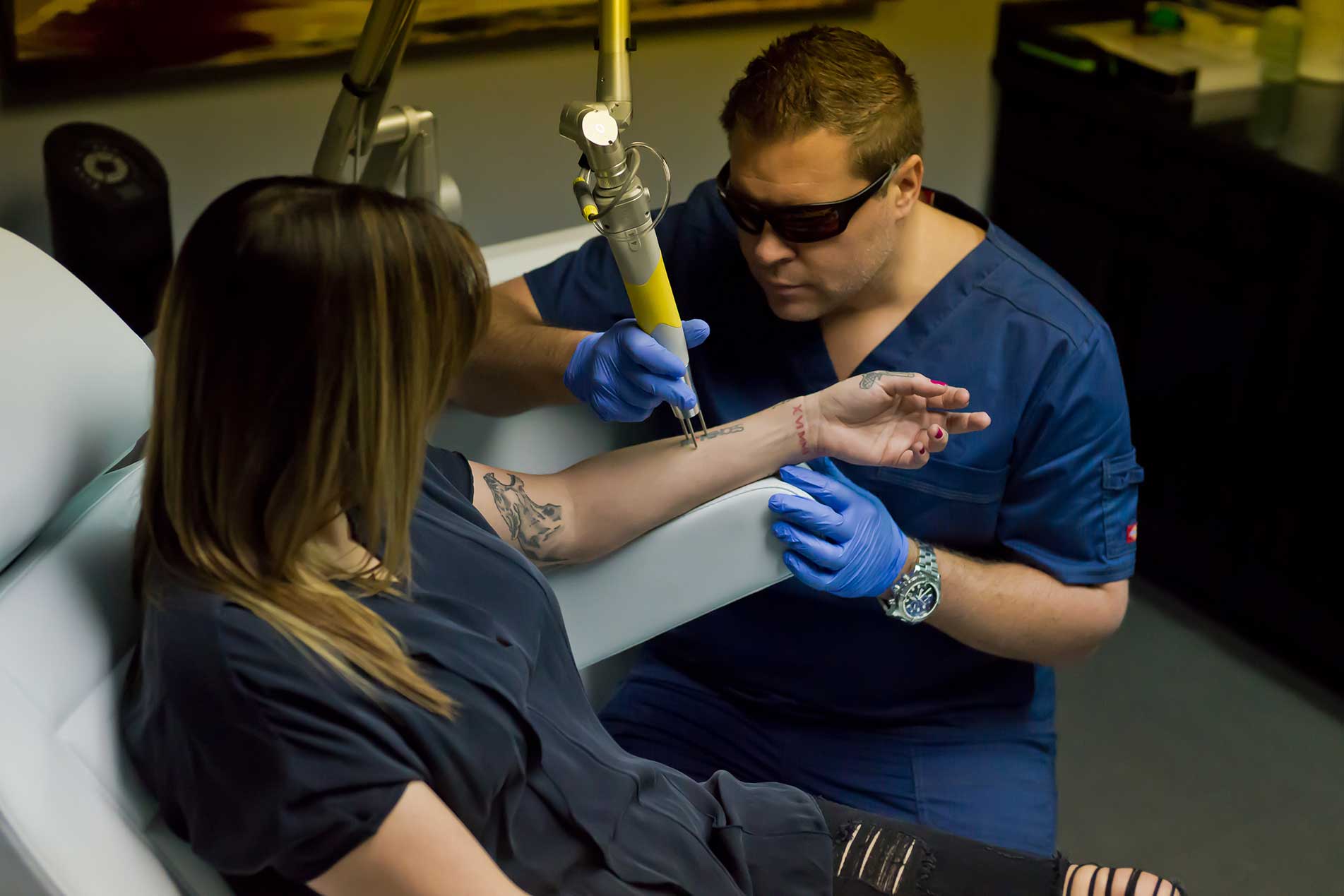
Ryan graduated with a Bachelor of Science in Nursing (BSN) in 2011 from Wayne State University in Detroit, MI. Upon graduating he started working in the ICU at Detroit Receiving Hospital in the Burn Unit where he specialized in treating trauma patients along with being a wound care specialist. It was there that he gained tremendous knowledge of the skin and how to recognize and treat burns and other skin related trauma. He also graduated with a Bachelor in Business Administration (BBA) in 2001 from Western Michigan University in Kalamazoo, MI, where he majored in Integrated Supply Chain Management (ISM) and minored in mathematics.
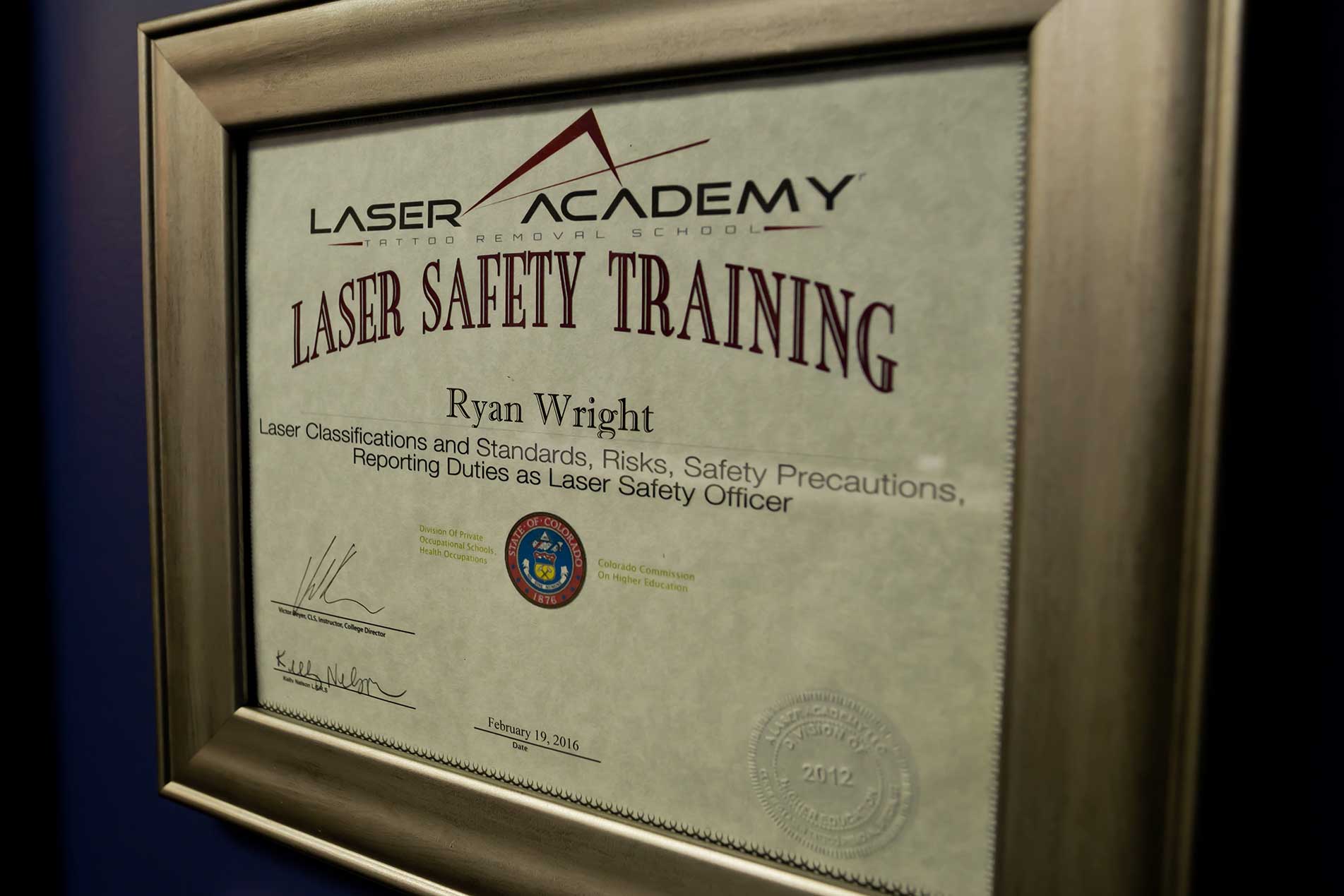
Ryan has earned two official certificates from the State of Colorado; Certified Laser Tattoo Specialist and Laser Safety Officer.
Ryan holds a license from the State of Michigan as a Registered Nurse (RN).
Ryan grew up in Metro Detroit, and has two sons named Jonathan and Christian and a daughter named Kaia. He enjoys golf, wakeboarding, and wakesurfing in the summer and skiing and snowmobiling in the winter.
Ryan is involved with the SaveHaiti volunteer team and he completed a one week mission to Haiti in 2013. During his mission trip their group helped set up a free clinic for local Haitians, which also included an operating room designed to perform cataract surgeries. During his time there, they assisted the locals with general health screenings, administering eye exams in conjunction with passing out the appropriate prescription glasses, and performing cataract surgeries for those in need. He is also involved in the annual Children’s Christmas Workshop in Northville, MI where they teach kids how to make presents for their friends and family by hand using tools under adult supervision. Each year they select 7 different gifts for the kids to construct from scratch with traditional materials like wood, wire, sheet tin, etc., and using other recycled materials, they then gift wrap them so they can be given away as presents. It is a wonderful learning experience for all the kids involved.
Dr. Silveira received her medical degree from the State University of New York at Stony Brook and completed her residency in Primary Care Internal Medicine at the Oregon Health and Sciences University in Portland OR. She has been practicing general medicine since 1999. She has a special interest in general cosmetic dermatology. She enjoys art, theater, and jazz. Read more.
I would like more information on

Call now to schedule your Free Consultation! 734-629-5434
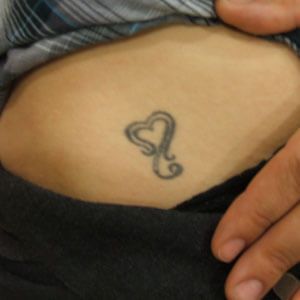
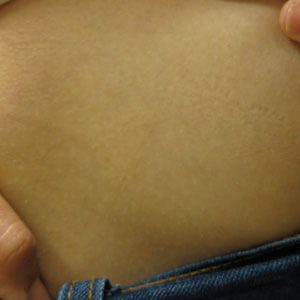
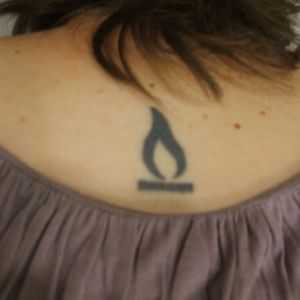
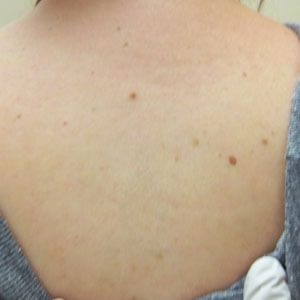
AGE OF TATTOO: 8 years old
STYLE: Professional
SIZE: 1 sq. inch, $99
NUMBER OF TREATMENTS: 4 treatments
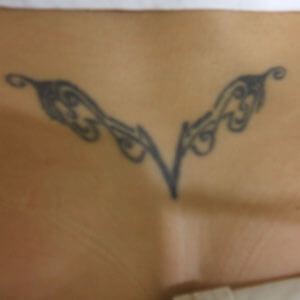
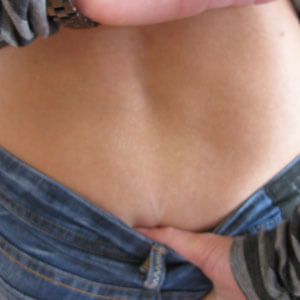
AGE OF TATTOO: 14 years old
STYLE: Professional
SIZE: 1.5 sq. inches, $119
NUMBER OF TREATMENTS: 6 treatments
AGE OF TATTOO: 7 years old
STYLE: Professional
SIZE: 3 sq. inches, $177
NUMBER OF TREATMENTS: 6 treatments
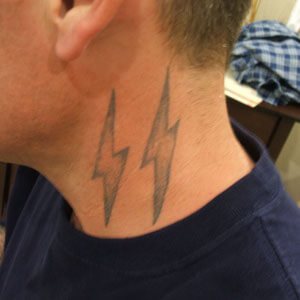
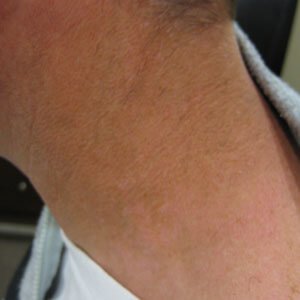
AGE OF TATTOO: 6 years old
STYLE: Professional
SIZE: 5 sq. inches, $255
NUMBER OF TREATMENTS: 5 treatments
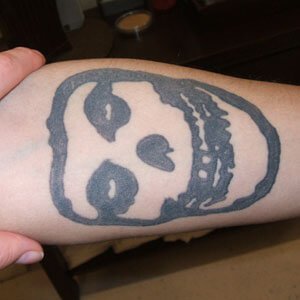
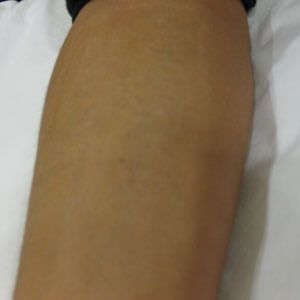
AGE OF TATTOO: 12 years old
STYLE: Amateur
SIZE: 7 sq. inches, $294
NUMBER OF TREATMENTS: 12 treatments
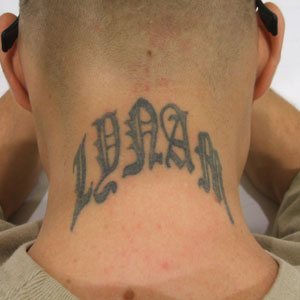
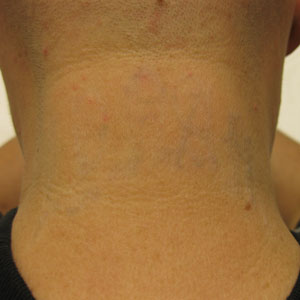
AGE OF TATTOO: 10 years old
STYLE: Professional
SIZE: 5 sq. inches, $255
NUMBER OF TREATMENTS: 10 treatments
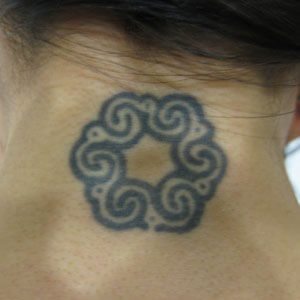
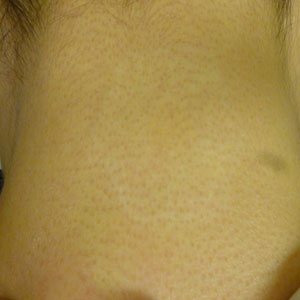
AGE OF TATTOO: 10 years old
STYLE: Professional
SIZE: 5 sq. inches, $255
NUMBER OF TREATMENTS: 10 treatments

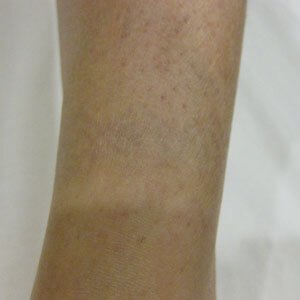
AGE OF TATTOO: 8 years old
STYLE: Professional
SIZE: 7 sq. inches, $294
NUMBER OF TREATMENTS: 10 treatments
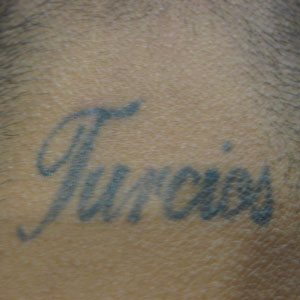

AGE OF TATTOO: 5 years old
STYLE: Professional
SIZE: 4 sq. inches, $216
NUMBER OF TREATMENTS: 7 treatments
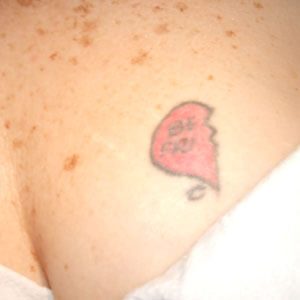
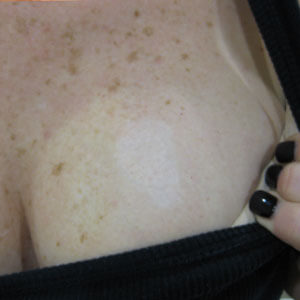
AGE OF TATTOO: 17 years old
STYLE: Professional
SIZE: 2 sq. inches, $138
NUMBER OF TREATMENTS: 4 treatments
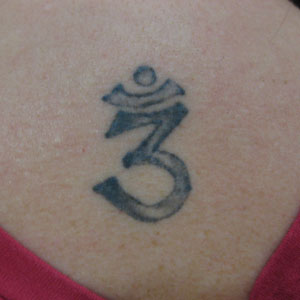
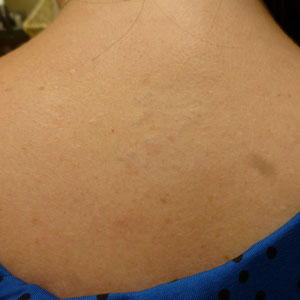
AGE OF TATTOO: 8 years old
STYLE: Professional
SIZE: 3 sq. inches, $177
NUMBER OF TREATMENTS: 5 treatments
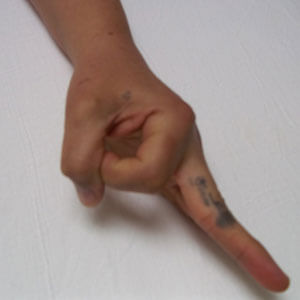
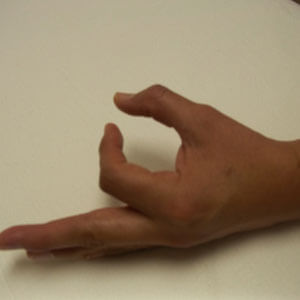
AGE OF TATTOO: 9 years old
STYLE: Amateur
SIZE: 1 sq. inch, $99
NUMBER OF TREATMENTS: 6 treatments
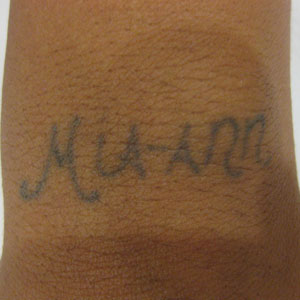
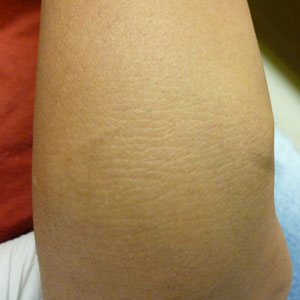
AGE OF TATTOO: 10 years old
STYLE: Professional
SIZE: 1.5 sq. inches, $119
NUMBER OF TREATMENTS: 2 treatments
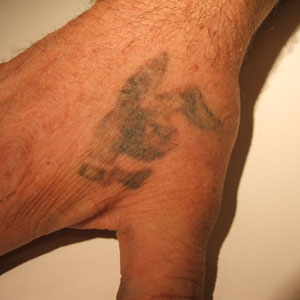
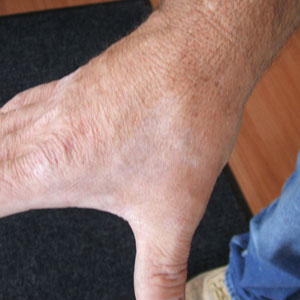
AGE OF TATTOO: 20 years old
STYLE: Amateur
SIZE: 1.5 sq. inches, $119
NUMBER OF TREATMENTS: 6 treatments
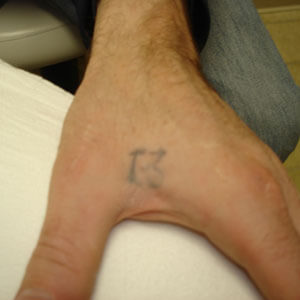
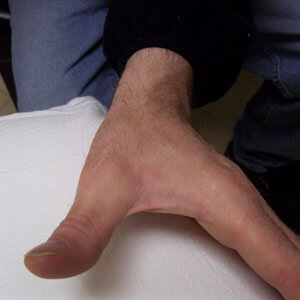
AGE OF TATTOO: 15 years old
STYLE: Amateur
SIZE: <1 sq inch, $49
NUMBER OF TREATMENTS: 3 treatments
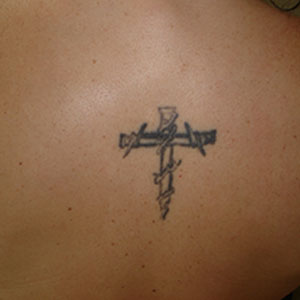
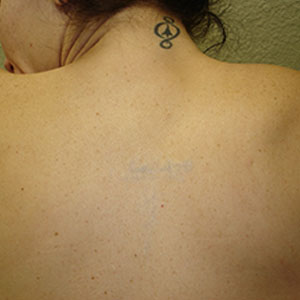
AGE OF TATTOO: 8 years old
STYLE: Professional
SIZE: 3 sq. inches, $177
NUMBER OF TREATMENTS: 5 treatments
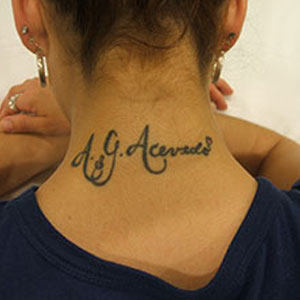
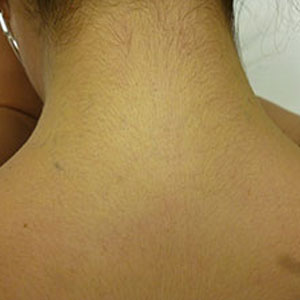
AGE OF TATTOO: 3 years old
STYLE: Professional
SIZE: 3 sq. inches, $177
NUMBER OF TREATMENTS: 4 treatments
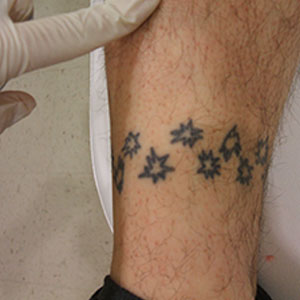
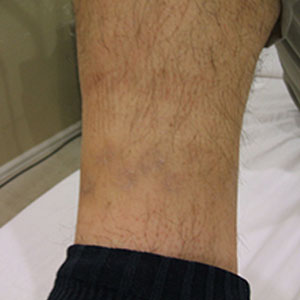
AGE OF TATTOO: 11 years old
STYLE: Professional
SIZE: 4 sq. inches, $216
NUMBER OF TREATMENTS: 9 treatments
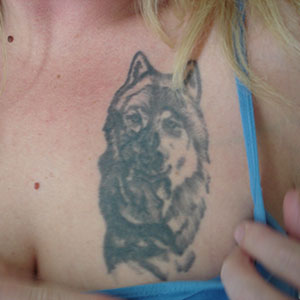
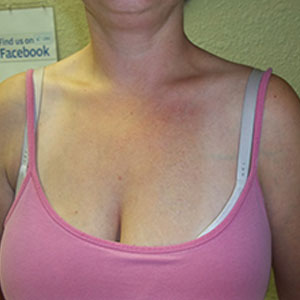
AGE OF TATTOO: 10 years old
STYLE: Professional
SIZE: 9 sq. inches, $294
NUMBER OF TREATMENTS: 8 treatments