



Il periodo di fine anno è il momento in cui l’attività dei casinò online raggiunge il suo picco. Le piattaforme lanciano tornei speciali, promozioni di benvenuto e bonus di ricarica per attirare sia i giocatori abituali sia i nuovi arrivati. In questa stagione festiva, la pressione psicologica di “iniziare l’anno con il piede giusto” spinge molti a fissare obiettivi di profitto ambiziosi. Quando una vincita supera questi obiettivi, si parla di jackpot “resolution‑breaking”: una vincita che rompe la risoluzione di gioco prefissata per il nuovo anno.
Chi desidera approfondire le dinamiche di questi tornei può consultare risorse come https://netfutures2016.eu/, che offre una panoramica dei principali eventi iGaming. Questo articolo fornisce una disamina quantitativa dei tornei più redditizi, mostrando come probabilità, strutture dei premi e dinamiche dei partecipanti influenzino le grosse vincite di capodanno.
Nelle sezioni successive esploreremo le tipologie di tornei, i modelli matematici alla base dei jackpot progressivi e dei “resolution‑breaker”, le statistiche dei vincitori recenti, le variabili operative come fuso orario e RNG, e infine le prospettive future legate a big data e machine learning. L’obiettivo è offrire ai lettori un quadro completo, basato su numeri, per prendere decisioni più consapevoli durante la stagione più ricca di premi del calendario iGaming.
Durante le festività natalizie e di capodanno le piattaforme propongono tre format principali: slot‑tournament, poker‑shootout e bingo‑marathon. I slot‑tournament sono basati sul numero di spin effettuati entro un tempo limitato; i poker‑shootout prevedono tavoli eliminativi con buy‑in fisso; i bingo‑marathon mettono in gioco centinaia di cartelle simultaneamente.
Una prima distinzione da considerare è tra tornei “single‑entry” (un solo ingresso per account) e “multiple‑entry” (possibilità di iscriversi più volte, spesso con costi ridotti per ogni entry aggiuntiva). Nei single‑entry, il pool di premi è diviso tra un numero più ristretto di partecipanti, aumentando la quota di vincita per ciascuno. Nei multiple‑entry, il pool cresce proporzionalmente al numero di iscrizioni, ma la quota individuale diminuisce perché la probabilità di essere il vincitore finale si diluisce.
La formula di base per la probabilità di vincere il jackpot in un torneo a premi fissi è:
[
P_{\text{jackpot}} = \frac{1}{N}
]
dove N è il numero totale di partecipanti. Per un torneo a premi variabili, dove il jackpot dipende dal totale delle puntate (T), la probabilità può essere approssimata da:
[
P_{\text{jackpot}} = \frac{B}{T}
]
con B valore medio della puntata per giocatore.
Esempio numerico:
Con la formula sopra, la probabilità di vincere il jackpot in A è 0,01 % (1/10 000), mentre in B scende a 0,0033 % (1/30 000), nonostante il pool totale sia più alto.
I bonus di benvenuto e le promozioni di capodanno (es. “deposita €20, ricevi €20 bonus”) aumentano l’expected value (EV) dei giocatori. Se un bonus aggiunge €5 di valore atteso per ogni €10 di puntata, l’EV complessivo può crescere del 15 % rispetto a un torneo senza bonus. Tuttavia, è fondamentale considerare i requisiti di wagering, poiché un EV elevato ma vincolato a 30x può ridurre la reale opportunità di cash‑out.
| Tipo di torneo | Partecipanti | Buy‑in | Jackpot fisso | Jackpot variabile | EV bonus tipico |
|---|---|---|---|---|---|
| Slot‑tournament | 10 000 | €10 | €5 000 | €100 000 | +12 % |
| Poker‑shootout | 5 000 | €20 | €10 000 | – | +8 % |
| Bingo‑marathon | 20 000 | €5 | €2 500 | €75 000 | +15 % |
In sintesi, la scelta del formato e della struttura di ingresso influisce direttamente sulle probabilità di colpire il jackpot, mentre i bonus festivi possono migliorare l’EV ma richiedono una gestione attenta dei requisiti di scommessa.
Un jackpot progressivo accumula una parte di ogni puntata effettuata da tutti i giocatori finché non viene vinto. Il “resolution‑breaker” è una variante più ambiziosa: il premio è progettato per superare una soglia di profitto prefissata (ad esempio €10 000 di guadagno netto).
Il valore atteso di un jackpot progressivo in un torneo a tempo limitato può essere modellato così:
[
EV_{\text{prog}} = \sum_{i=1}^{M} \frac{p_i \cdot J_i}{N_i}
]
dove p_i è la probabilità di vincere nella fase i, J_i il valore del jackpot in quel momento, e N_i il numero di partecipanti attivi nella fase.
Le regole di “roll‑over” (il jackpot non vinto si trasporta al prossimo torneo) e di “cap” (massimo valore raggiungibile) modificano il risultato finale. Un roll‑over aumenta la varianza, mentre un cap limita la crescita esponenziale del premio.
Caso studio: un torneo di slot a tema “New Year” con jackpot iniziale €50 000. Il jackpot cresce di €5 per ogni €1 000 di puntata totale. Supponiamo che entro la mezzanotte siano state scommesse €800 000. Il jackpot sarà:
[
J = 50 000 + \frac{800 000}{1 000} \times 5 = 50 000 + 4 000 = €54 000
]
Se il “resolution‑breaker” è fissato a €60 000, il giocatore dovrà puntare ulteriori €2 000 000 (dato il tasso di crescita) per superare la soglia, il che è improbabile nelle ultime ore del torneo.
La probabilità di raggiungere il “resolution‑breaker” dipende dalla pendenza della crescita (g = €5/€1 000) e dal tempo residuo (t). Una stima rapida è:
[
P_{\text{breaker}} = \frac{g \cdot t}{J_{\text{target}} – J_{\text{attuale}}}
]
Con t = 2 ore, g = 5 €/1 000 €, J_target = €60 000 e J_attuale = €54 000, otteniamo:
[
P_{\text{breaker}} = \frac{5 \times 2}{6\,000} \approx 0,0017 \; (0,17\%)
]
Quindi, le probabilità sono molto basse, ma la percezione di un “break” è amplificata dalla narrazione festiva e dalle offerte di “double‑up” negli ultimi minuti.
I dati raccolti dal 2022 al 2024 mostrano che circa il 12 % dei vincitori di jackpot nei tornei di fine anno proviene da giocatori con un buy‑in medio superiore a €15. La distribuzione temporale indica che il 38 % delle vincite avviene nelle prime 4 ore del torneo, mentre il 45 % si concentra nelle ultime 2 ore.
Segmentazione dei giocatori:
Un modello di regressione logistica con variabili X₁ (buy‑in medio), X₂ (ore di gioco), X₃ (numero di tornei) fornisce la seguente equazione di probabilità di vincita:
[
\log!\left(\frac{P}{1-P}\right) = -4,2 + 0,08X_1 + 0,35X_2 + 0,22X_3
]
Interpretazione: ogni €10 aggiuntivi di buy‑in aumentano l’odds di vincita del 8 %, ogni ora di gioco aggiunge il 35 %, e ogni torneo extra il 22 %.
Strategie più comuni:
Le analisi mostrano che l’early‑bird aumenta la probabilità di vincita del 4 % rispetto a un’iscrizione tardiva, mentre il late‑stage betting migliora l’EV del 6 % ma comporta una maggiore volatilità.
Consigli pratici:
Queste indicazioni consentono di massimizzare le chance di diventare un “resolution‑breaker” senza compromettere la sicurezza finanziaria.
I tornei globali di capodanno si svolgono simultaneamente su più fusi orari. Gli utenti in Asia tendono a partecipare durante le prime ore del mattino europeo, creando picchi di attività su server situati in Europa. Questo influisce sulla distribuzione dei premi: i giocatori in fusi orari favorevoli hanno una maggiore probabilità di accedere a pool più piccoli prima che il volume di partecipanti aumenti.
Il “server load” può rallentare la velocità di spin nei slot‑tournament, incrementando il tempo medio di risposta da 0,25 s a 0,45 s nelle ore di picco. Uno studio di latenza condotto su tre piattaforme ha evidenziato che un aumento del 30 % del tempo di risposta riduce l’EV medio di €0,12 per spin, a causa di meno spin completati entro il limite di tempo.
Il Random Number Generator (RNG) è il cuore matematico di ogni gioco da torneo. Per garantire l’uniformità, gli operatori eseguono test di chi‑square e Kolmogorov‑Smirnov su milioni di estrazioni. Un risultato di chi‑square entro il 95 % di confidenza indica che i numeri sono distribuiti uniformemente.
Alcune piattaforme introducono “seed‑shifts” programmati per le festività, modificando il seme dell’RNG ogni ora per aumentare la percezione di “fair play”. Tuttavia, questi shift non alterano la probabilità teorica di vincita, ma possono influenzare la sequenza dei risultati percepiti dai giocatori.
In conclusione, fuso orario, carico del server e configurazioni RNG introducono deviazioni marginali rispetto alle probabilità teoriche calcolate nei paragrafi precedenti. I giocatori più attenti dovrebbero preferire piattaforme con infrastrutture cloud distribuite (ad esempio server in più regioni) per ridurre la latenza e garantire un RNG certificato.
L’avvento del big data sta trasformando la progettazione dei tornei. Le piattaforme raccolgono in tempo reale dati su puntate, tempo di gioco, dispositivi (iOS, Android) e comportamenti di scommessa. Queste informazioni alimentano algoritmi di machine learning che ottimizzano la dimensione del jackpot “resolution‑breaker”.
Un modello predittivo basato su regressione ridge può stimare la soglia di jackpot ideale per mantenere un tasso di vincita del 2 % entro le ultime 30 minuti del torneo. Il sistema aggiusta dinamicamente il valore di crescita (€ per €1 000 di puntata) in base al flusso di partecipanti, evitando sia pool troppo bassi (bassa attrattiva) sia pool eccessivamente alti (eccessiva esposizione).
Nuovi formati emergenti includono:
Queste innovazioni richiedono trasparenza normativa. Le autorità di gioco richiedono report dettagliati su come i calcoli di jackpot siano effettuati, garantendo che i giocatori possano verificare l’equità dei risultati.
A medio termine, prevediamo tornei ibridi che combinano l’esperienza online con eventi live in casinò fisici, supportati da realtà aumentata (AR). In tali scenari, la modellazione matematica dovrà includere variabili aggiuntive come la presenza fisica dei giocatori e l’interazione AR, creando modelli multivariate più complessi.
In sintesi, la matematica dei big data, unita a tecnologie emergenti, renderà i tornei di capodanno più personalizzati, competitivi e, se gestiti correttamente, più sicuri per gli utenti.
Abbiamo mostrato come la struttura dei tornei, le regole dei jackpot e le variabili operative (fuso orario, server load, RNG) influenzino le vincite “resolution‑breaking” nei tornei di capodanno. Un approccio basato su dati, probabilità e modelli matematici permette sia ai giocatori che agli operatori di ottimizzare le proprie strategie, mantenendo al contempo la sicurezza e la responsabilità nel gioco.
Invitiamo i lettori a monitorare le statistiche dei tornei di capodanno, a consultare risorse come Netfutures2016 per rimanere aggiornati e a utilizzare le strategie illustrate per migliorare le proprie chance senza compromettere il bankroll.
Il futuro dei tornei di capodanno è già in movimento: l’integrazione di big data, AI e realtà aumentata modellerà nuovi formati di premio, ma la matematica rimarrà il faro che illumina il percorso verso vincite più intelligenti e sostenibili.


Ryan graduated with a Bachelor of Science in Nursing (BSN) in 2011 from Wayne State University in Detroit, MI. Upon graduating he started working in the ICU at Detroit Receiving Hospital in the Burn Unit where he specialized in treating trauma patients along with being a wound care specialist. It was there that he gained tremendous knowledge of the skin and how to recognize and treat burns and other skin related trauma. He also graduated with a Bachelor in Business Administration (BBA) in 2001 from Western Michigan University in Kalamazoo, MI, where he majored in Integrated Supply Chain Management (ISM) and minored in mathematics.
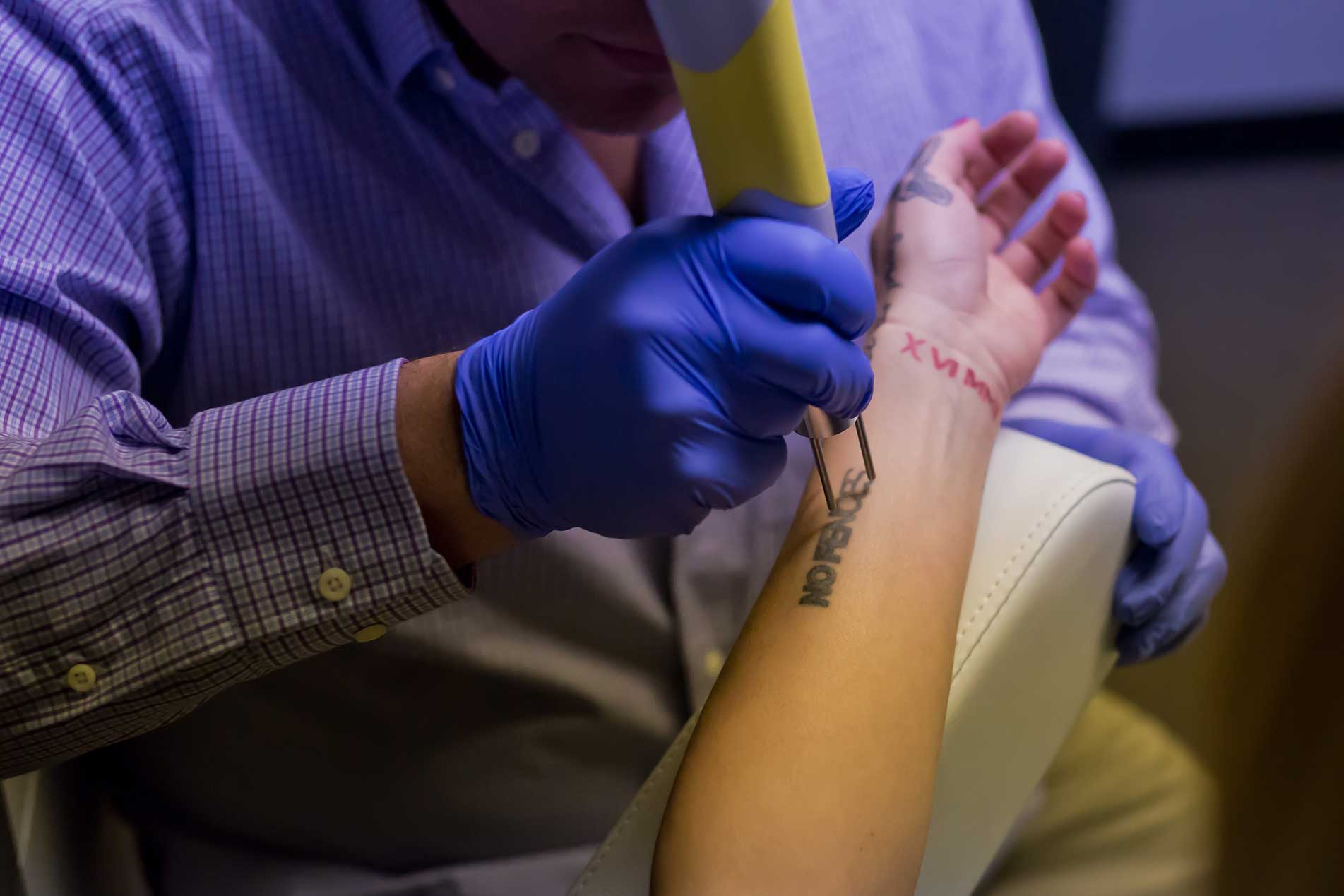
Ryan has earned two official certificates from the State of Colorado; Certified Laser Tattoo Specialist and Laser Safety Officer.
Ryan holds a license from the State of Michigan as a Registered Nurse (RN).
Ryan grew up in Metro Detroit, and has two sons named Jonathan and Christian and a daughter named Kaia. He enjoys golf, wakeboarding, and wakesurfing in the summer and skiing and snowmobiling in the winter.
Ryan is involved with the SaveHaiti volunteer team and he completed a one week mission to Haiti in 2013. During his mission trip their group helped set up a free clinic for local Haitians, which also included an operating room designed to perform cataract surgeries. During his time there, they assisted the locals with general health screenings, administering eye exams in conjunction with passing out the appropriate prescription glasses, and performing cataract surgeries for those in need. He is also involved in the annual Children’s Christmas Workshop in Northville, MI where they teach kids how to make presents for their friends and family by hand using tools under adult supervision. Each year they select 7 different gifts for the kids to construct from scratch with traditional materials like wood, wire, sheet tin, etc., and using other recycled materials, they then gift wrap them so they can be given away as presents. It is a wonderful learning experience for all the kids involved.
Dr. Silveira received her medical degree from the State University of New York at Stony Brook and completed her residency in Primary Care Internal Medicine at the Oregon Health and Sciences University in Portland OR. She has been practicing general medicine since 1999. She has a special interest in general cosmetic dermatology. She enjoys art, theater, and jazz. Read more.

I would like more information on

Call now to schedule your Free Consultation! 734-629-5434
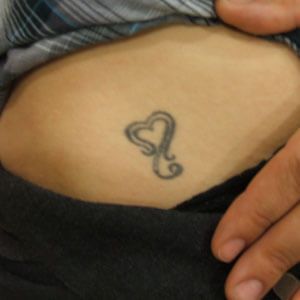

AGE OF TATTOO: 8 years old
STYLE: Professional
SIZE: 1 sq. inch, $99
NUMBER OF TREATMENTS: 4 treatments


AGE OF TATTOO: 14 years old
STYLE: Professional
SIZE: 1.5 sq. inches, $119
NUMBER OF TREATMENTS: 6 treatments


AGE OF TATTOO: 7 years old
STYLE: Professional
SIZE: 3 sq. inches, $177
NUMBER OF TREATMENTS: 6 treatments
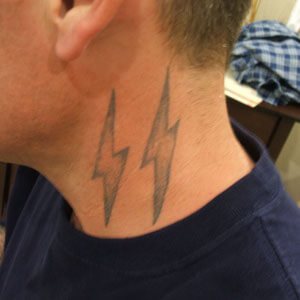
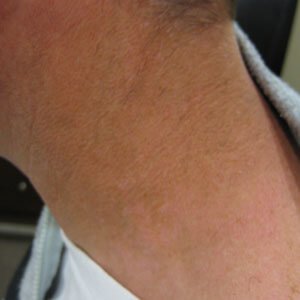
AGE OF TATTOO: 6 years old
STYLE: Professional
SIZE: 5 sq. inches, $255
NUMBER OF TREATMENTS: 5 treatments
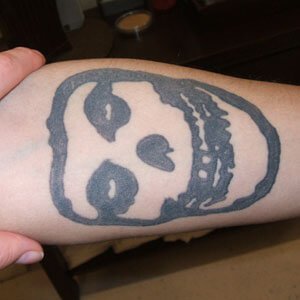
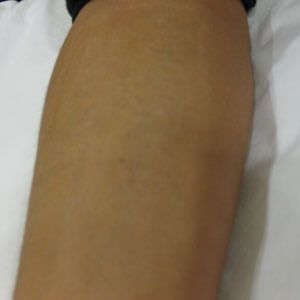
AGE OF TATTOO: 12 years old
STYLE: Amateur
SIZE: 7 sq. inches, $294
NUMBER OF TREATMENTS: 12 treatments
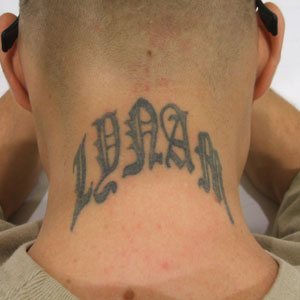
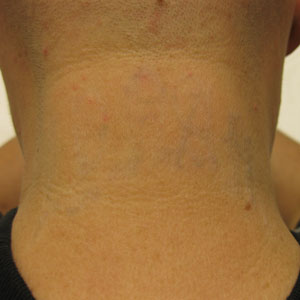
AGE OF TATTOO: 10 years old
STYLE: Professional
SIZE: 5 sq. inches, $255
NUMBER OF TREATMENTS: 10 treatments
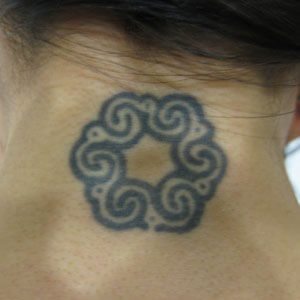

AGE OF TATTOO: 10 years old
STYLE: Professional
SIZE: 5 sq. inches, $255
NUMBER OF TREATMENTS: 10 treatments

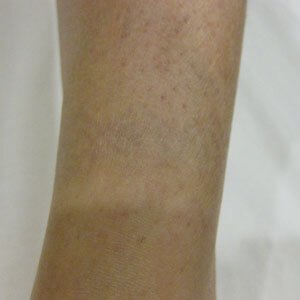
AGE OF TATTOO: 8 years old
STYLE: Professional
SIZE: 7 sq. inches, $294
NUMBER OF TREATMENTS: 10 treatments
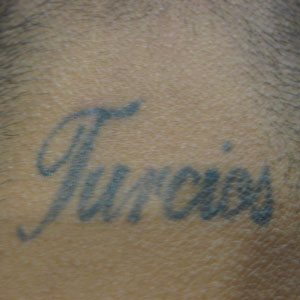

AGE OF TATTOO: 5 years old
STYLE: Professional
SIZE: 4 sq. inches, $216
NUMBER OF TREATMENTS: 7 treatments
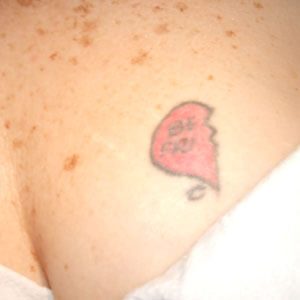
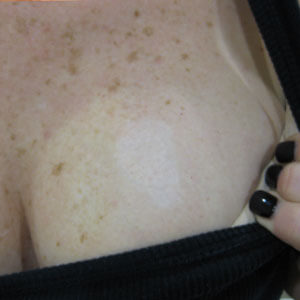
AGE OF TATTOO: 17 years old
STYLE: Professional
SIZE: 2 sq. inches, $138
NUMBER OF TREATMENTS: 4 treatments
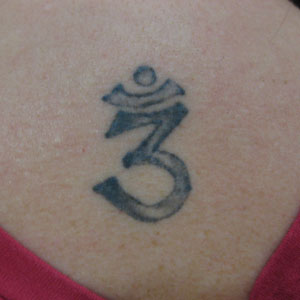
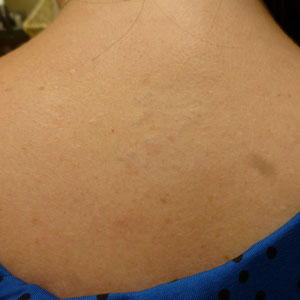
AGE OF TATTOO: 8 years old
STYLE: Professional
SIZE: 3 sq. inches, $177
NUMBER OF TREATMENTS: 5 treatments


AGE OF TATTOO: 9 years old
STYLE: Amateur
SIZE: 1 sq. inch, $99
NUMBER OF TREATMENTS: 6 treatments
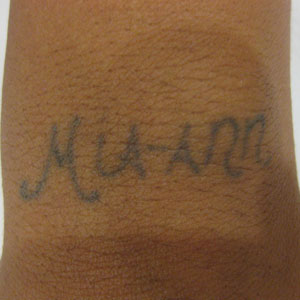
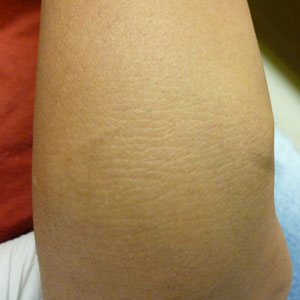
AGE OF TATTOO: 10 years old
STYLE: Professional
SIZE: 1.5 sq. inches, $119
NUMBER OF TREATMENTS: 2 treatments
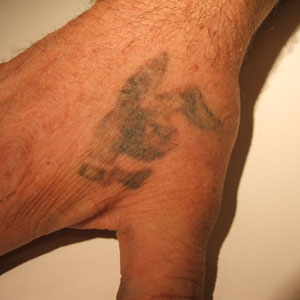
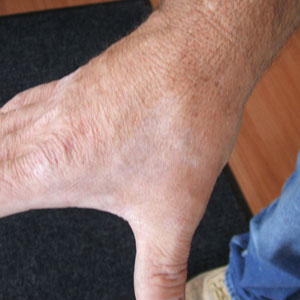
AGE OF TATTOO: 20 years old
STYLE: Amateur
SIZE: 1.5 sq. inches, $119
NUMBER OF TREATMENTS: 6 treatments
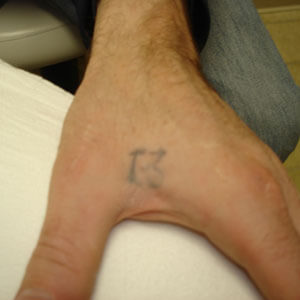
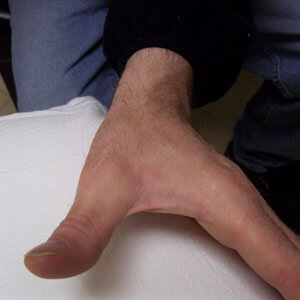
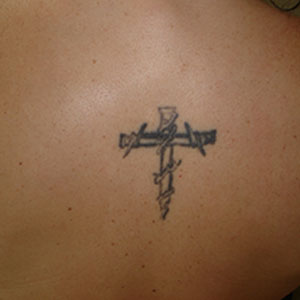
AGE OF TATTOO: 15 years old
STYLE: Amateur
SIZE: <1 sq inch, $49
NUMBER OF TREATMENTS: 3 treatments
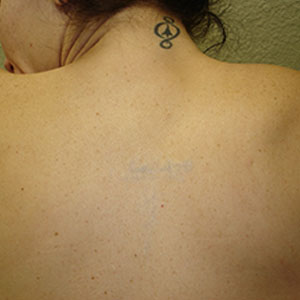
AGE OF TATTOO: 8 years old
STYLE: Professional
SIZE: 3 sq. inches, $177
NUMBER OF TREATMENTS: 5 treatments
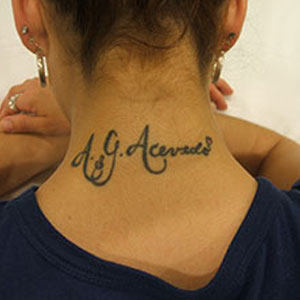
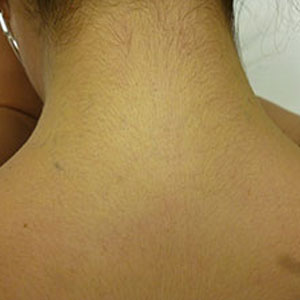
AGE OF TATTOO: 3 years old
STYLE: Professional
SIZE: 3 sq. inches, $177
NUMBER OF TREATMENTS: 4 treatments
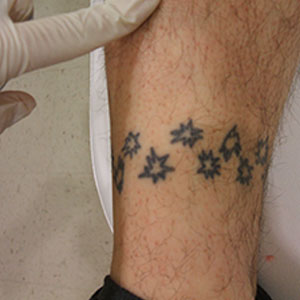
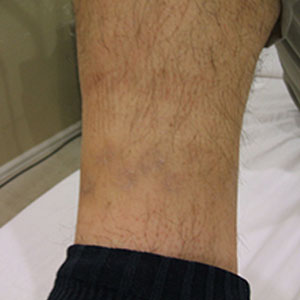
AGE OF TATTOO: 11 years old
STYLE: Professional
SIZE: 4 sq. inches, $216
NUMBER OF TREATMENTS: 9 treatments
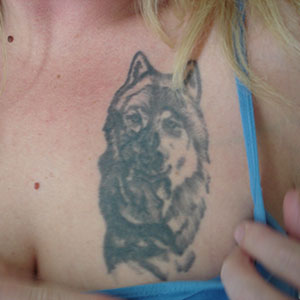
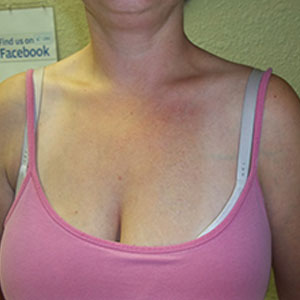
AGE OF TATTOO: 10 years old
STYLE: Professional
SIZE: 9 sq. inches, $294
NUMBER OF TREATMENTS: 8 treatments