


Negli ultimi cinque anni il gaming mobile è diventato il motore principale del fatturato dei casinò online, spinto da smartphone sempre più potenti e da connessioni 5G che permettono di scommettere in tempo reale da qualsiasi luogo. Per chi cerca un siti scommesse affidabile, la sicurezza è il primo criterio di scelta. Gli utenti temono soprattutto il furto di dati personali, le truffe legate a bonus falsi e il malware che può infiltrarsi nelle app di gioco.
Le preoccupazioni sono legittime: un attacco riuscito può compromettere non solo il portafoglio, ma anche l’intera esperienza di gioco, dalla verifica dell’identità (KYC) alla riscossione di vincite. In questo articolo analizziamo le tecnologie emergenti, le nuove normative europee e le migliori pratiche per proteggere i giocatori. Verranno inoltre illustrate scenari futuri legati a 5G, realtà aumentata e blockchain. Per approfondire ulteriori aspetti legati alla sicurezza digitale, i lettori possono fare riferimento a Sustainair, un sito di risorse informatiche aggiornate.
Negli ultimi cinque anni le tipologie di attacco si sono notevolmente sofisticate. Il phishing rimane la via più comune: messaggi SMS o email che simulano notifiche di vincite o bonus “esclusivi” convogliano gli scommettitori verso pagine false dove le credenziali vengono rubate. Un altro vettore è l’inserimento di SDK non verificati nelle app di casinò, che permette a terze parti di raccogliere dati di geolocalizzazione e di monitorare le sessioni di gioco.
Le deep‑fake e le AI generative hanno introdotto una nuova dimensione di frode. Video falsi di celebrità o di “vincitori” del jackpot possono essere diffusi sui social, inducendo gli utenti a scaricare versioni contraffatte dell’app o a partecipare a promozioni truffaldine. Queste imitazioni sfruttano vulnerabilità specifiche delle app mobili, come il session hijacking, dove l’attaccante prende il controllo di una sessione autenticata e manipola le scommesse in corso.
Il panorama attuale richiede un approccio proattivo: monitorare costantemente le firme di malware, verificare la provenienza di ogni componente dell’app e formare gli utenti a riconoscere le truffe più ingannevoli.
La crittografia post‑quantum (PQC) è ormai sul tavolo degli operatori di casinò che vogliono proteggere le transazioni mobili a lungo termine. Algoritmi come Kyber e Dilithium, resistenti agli attacchi dei futuri computer quantistici, stanno sostituendo i tradizionali RSA‑2048 nelle comunicazioni tra dispositivo e server. Questo cambiamento garantisce che i dati di pagamento, le puntate e le vincite rimangano inattaccabili anche in un mondo di calcolo avanzato.
Parallelamente, il modello Zero‑Trust sta diventando lo standard di sicurezza per le piattaforme di gioco. Invece di considerare la rete interna “fidata”, ogni richiesta viene valutata in tempo reale attraverso micro‑segmentazione, autenticazione continua e policy basate sul rischio. Le app implementano controlli come l’analisi comportamentale del dispositivo, la verifica della posizione GPS e la revoca automatica di token se si rilevano anomalie.
| Caratteristica | Approccio tradizionale | Zero‑Trust + PQC |
|---|---|---|
| Autenticazione | Login una tantum | MFA continua, verifica biometrica |
| Crittografia | RSA‑2048, TLS 1.2 | Algoritmi PQC, TLS 1.3 |
| Segmentazione | Rete monolitica | Micro‑segmenti per ogni servizio |
| Risposta alle minacce | Patch periodiche | Analisi in tempo reale, revoca immediata |
Operatori come Betway Italia e LeoVegas hanno già avviato progetti pilota con chiavi post‑quantum per i pagamenti in-app e hanno adottato architetture Zero‑Trust per ridurre al minimo il “lateral movement” di eventuali intrusioni.
L’AI è ormai il cuore della difesa contro le frodi nei casinò mobili. I motori basati su machine learning analizzano migliaia di eventi per secondo, individuando pattern anomali che sfuggirebbero a un monitoraggio umano. Quando un giocatore effettua una scommessa di importo insolito da una nuova località, l’algoritmo segnala immediatamente l’evento e richiede una verifica aggiuntiva.
Tra i casi d’uso più diffusi troviamo:
Tuttavia, l’uso dell’AI porta con sé rischi di bias e questioni di privacy. Un modello addestrato su dati storici potrebbe discriminare certi gruppi di scommettitori o penalizzare ingiustamente i nuovi giocatori. Inoltre, la raccolta di dati biometrici richiede una gestione trasparente, conforme al GDPR.
Per mitigare questi problemi, le piattaforme devono:
Entro il 2027 l’Unione Europea prevede l’adozione di una versione aggiornata del GDPR, spesso definita “GDPR 2.0”. Questa includerà requisiti più stringenti di data‑minimisation, obblighi di audit di sicurezza trimestrali e notifiche di breach entro 24 ore. L’ePrivacy Regulation, attualmente in fase di approvazione, imporrà regole precise sulla raccolta di dati di comunicazione, inclusi i messaggi push delle app di casinò.
Per i casinò online le implicazioni sono sostanziali:
Seguendo questi passi, gli operatori possono rispettare la normativa senza sacrificare la fluidità dell’esperienza di gioco, mantenendo bassi i tempi di caricamento e le frizioni durante il processo di deposito.
Le soluzioni biometriche hanno fatto passi da gigante: oltre all’impronta digitale, ora si parla di impronta vocale, scansione della retina e analisi del comportamento di digitazione (keystroke dynamics). Queste tecniche consentono di creare un “login a prova di frode” che combina più fattori di verifica.
Combinando queste biometrie con MFA (password, OTP via SMS, token hardware) si ottiene una sicurezza stratificata. Tuttavia, l’usabilità resta una sfida: un processo di login troppo complesso può spingere i giocatori a cercare alternative meno sicure.
Un’attenta progettazione dell’interfaccia, con messaggi contestuali e tempi di risposta rapidi, è fondamentale per l’accettazione da parte dei scommettitori.
Le blockchain offrono un registro immutabile che garantisce l’integrità delle transazioni mobili. Ogni deposito, puntata e vincita può essere registrato su una catena pubblica o permissioned, rendendo impossibile la manomissione dei dati da parte di attori malevoli. Inoltre, le soluzioni basate su smart contract automatizzano i pagamenti, riducendo i tempi di elaborazione e le possibilità di errore umano.
Gli NFT stanno emergendo come certificati di identità digitale. Un giocatore può possedere un NFT che rappresenta il suo profilo KYC, con tutti i documenti verificati crittografati e collegati al token. Questo permette di utilizzare lo stesso “badge” digitale su più piattaforme, evitando la duplicazione di dati sensibili.
Le piattaforme che integrano soluzioni layer‑2 e NFT per l’identità stanno già sperimentando un modello più trasparente e sicuro, aprendo la strada a un ecosistema di gioco mobile dove la proprietà dei dati è realmente del giocatore.
Il 5G riduce la latenza a pochi millisecondi, rendendo possibile il gioco in tempo reale su ambienti AR/VR. Un giocatore può vedere il tavolo del blackjack proiettato sul soggiorno, interagire con il croupier live e piazzare scommesse con un semplice gesto. Tuttavia, questi scenari introdurranno nuovi rischi: le informazioni ambientali (posizione esatta, oggetti circostanti) saranno raccolte in tempo reale e dovranno essere protette.
La realtà aumentata richiederà standard di sicurezza come il geofencing per limitare l’accesso a determinate aree geografiche, impedendo che utenti non autorizzati partecipino a tornei live. Inoltre, i dati sensoriali (accelerometri, giroscopi) dovranno essere crittografati end‑to‑end per evitare intercettazioni.
Le previsioni indicano che entro il 2028 la maggior parte dei casinò mobile offrirà esperienze immersive basate su avatar 3D, con bonus visualizzati come oggetti virtuali raccoglibili. Per mantenere la privacy, le piattaforme adotteranno protocolli di crittografia post‑quantum e sistemi di autenticazione biometrica avanzata, integrati direttamente nei visori AR.
In sintesi, l’unione di 5G, AR/VR e tecnologie di sicurezza avanzate porterà a casinò mobile dove la realtà supera l’immaginazione, ma solo se sarà accompagnata da regole rigorose per la protezione dei dati personali.
Abbiamo tracciato l’evoluzione delle minacce mobile, dal phishing tradizionale alle sofisticate frodi deep‑fake, e mostrato come la crittografia post‑quantum e i modelli Zero‑Trust stiano cambiando il panorama della sicurezza nei casinò online. L’intelligenza artificiale, le normative emergenti come GDPR 2.0 e le nuove soluzioni biometriche offrono strumenti potenti, ma richiedono una gestione attenta dei bias e della privacy. Le blockchain e gli NFT promettono trasparenza e controllo dei dati, mentre il 5G e la realtà aumentata aprono la porta a esperienze di gioco immersive, con nuovi requisiti di protezione ambientale.
Per gli operatori, una mentalità “security‑first” è ormai imprescindibile: investire in tecnologie avanzate e mantenere la conformità normativa garantisce non solo la fiducia dei giocatori, ma anche un vantaggio competitivo sostenibile. I scommettitori, dal canto loro, dovrebbero privilegiare piattaforme che dimostrano impegno concreto in queste aree e tenersi aggiornati consultando risorse come Sustainair, che offre guide pratiche sulla sicurezza digitale. Solo così il divertimento mobile potrà continuare a crescere in modo sicuro e responsabile.



Ryan graduated with a Bachelor of Science in Nursing (BSN) in 2011 from Wayne State University in Detroit, MI. Upon graduating he started working in the ICU at Detroit Receiving Hospital in the Burn Unit where he specialized in treating trauma patients along with being a wound care specialist. It was there that he gained tremendous knowledge of the skin and how to recognize and treat burns and other skin related trauma. He also graduated with a Bachelor in Business Administration (BBA) in 2001 from Western Michigan University in Kalamazoo, MI, where he majored in Integrated Supply Chain Management (ISM) and minored in mathematics.
Ryan has earned two official certificates from the State of Colorado; Certified Laser Tattoo Specialist and Laser Safety Officer.
Ryan holds a license from the State of Michigan as a Registered Nurse (RN).
Ryan grew up in Metro Detroit, and has two sons named Jonathan and Christian and a daughter named Kaia. He enjoys golf, wakeboarding, and wakesurfing in the summer and skiing and snowmobiling in the winter.
Ryan is involved with the SaveHaiti volunteer team and he completed a one week mission to Haiti in 2013. During his mission trip their group helped set up a free clinic for local Haitians, which also included an operating room designed to perform cataract surgeries. During his time there, they assisted the locals with general health screenings, administering eye exams in conjunction with passing out the appropriate prescription glasses, and performing cataract surgeries for those in need. He is also involved in the annual Children’s Christmas Workshop in Northville, MI where they teach kids how to make presents for their friends and family by hand using tools under adult supervision. Each year they select 7 different gifts for the kids to construct from scratch with traditional materials like wood, wire, sheet tin, etc., and using other recycled materials, they then gift wrap them so they can be given away as presents. It is a wonderful learning experience for all the kids involved.
Dr. Silveira received her medical degree from the State University of New York at Stony Brook and completed her residency in Primary Care Internal Medicine at the Oregon Health and Sciences University in Portland OR. She has been practicing general medicine since 1999. She has a special interest in general cosmetic dermatology. She enjoys art, theater, and jazz. Read more.

I would like more information on

Call now to schedule your Free Consultation! 734-629-5434


AGE OF TATTOO: 8 years old
STYLE: Professional
SIZE: 1 sq. inch, $99
NUMBER OF TREATMENTS: 4 treatments


AGE OF TATTOO: 14 years old
STYLE: Professional
SIZE: 1.5 sq. inches, $119
NUMBER OF TREATMENTS: 6 treatments


AGE OF TATTOO: 7 years old
STYLE: Professional
SIZE: 3 sq. inches, $177
NUMBER OF TREATMENTS: 6 treatments
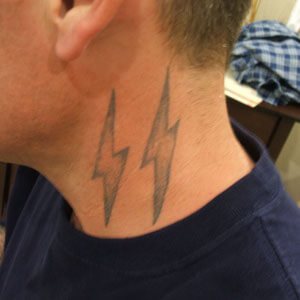
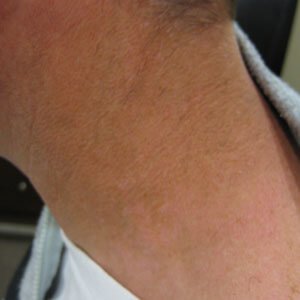
AGE OF TATTOO: 6 years old
STYLE: Professional
SIZE: 5 sq. inches, $255
NUMBER OF TREATMENTS: 5 treatments
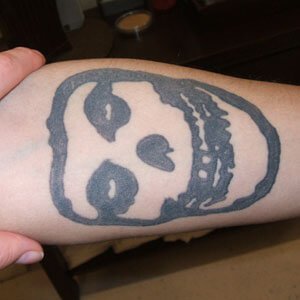
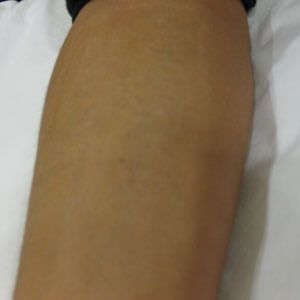
AGE OF TATTOO: 12 years old
STYLE: Amateur
SIZE: 7 sq. inches, $294
NUMBER OF TREATMENTS: 12 treatments

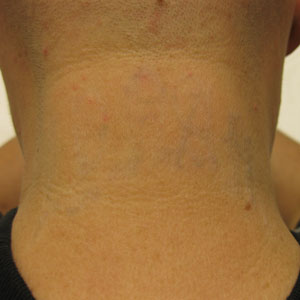
AGE OF TATTOO: 10 years old
STYLE: Professional
SIZE: 5 sq. inches, $255
NUMBER OF TREATMENTS: 10 treatments


AGE OF TATTOO: 10 years old
STYLE: Professional
SIZE: 5 sq. inches, $255
NUMBER OF TREATMENTS: 10 treatments

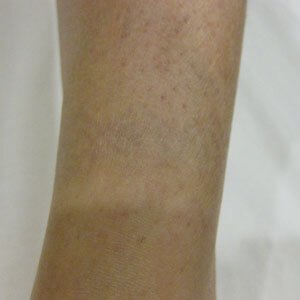
AGE OF TATTOO: 8 years old
STYLE: Professional
SIZE: 7 sq. inches, $294
NUMBER OF TREATMENTS: 10 treatments


AGE OF TATTOO: 5 years old
STYLE: Professional
SIZE: 4 sq. inches, $216
NUMBER OF TREATMENTS: 7 treatments
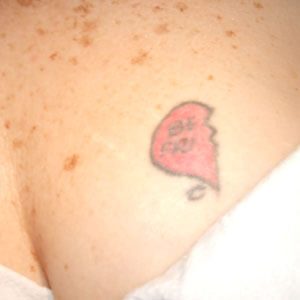
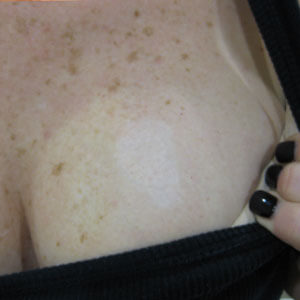
AGE OF TATTOO: 17 years old
STYLE: Professional
SIZE: 2 sq. inches, $138
NUMBER OF TREATMENTS: 4 treatments
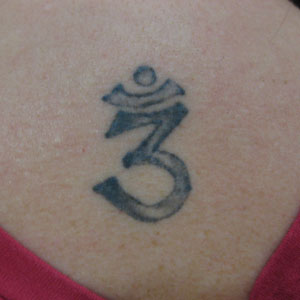
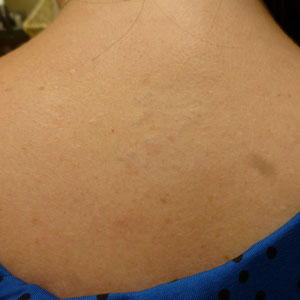
AGE OF TATTOO: 8 years old
STYLE: Professional
SIZE: 3 sq. inches, $177
NUMBER OF TREATMENTS: 5 treatments
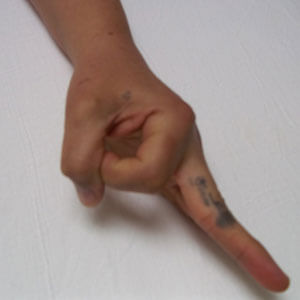
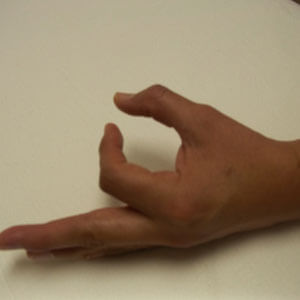
AGE OF TATTOO: 9 years old
STYLE: Amateur
SIZE: 1 sq. inch, $99
NUMBER OF TREATMENTS: 6 treatments
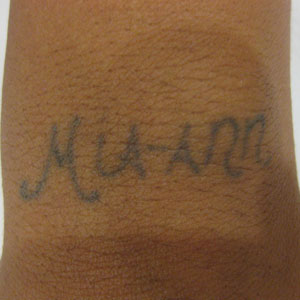
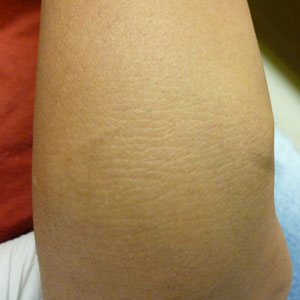
AGE OF TATTOO: 10 years old
STYLE: Professional
SIZE: 1.5 sq. inches, $119
NUMBER OF TREATMENTS: 2 treatments
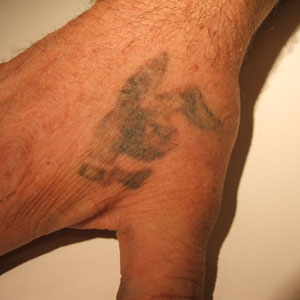
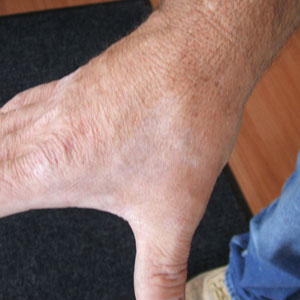
AGE OF TATTOO: 20 years old
STYLE: Amateur
SIZE: 1.5 sq. inches, $119
NUMBER OF TREATMENTS: 6 treatments
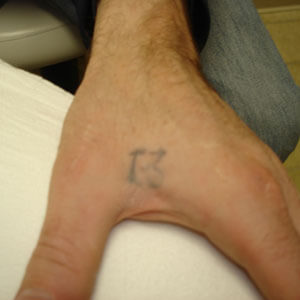
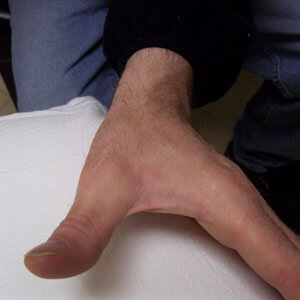
AGE OF TATTOO: 15 years old
STYLE: Amateur
SIZE: <1 sq inch, $49
NUMBER OF TREATMENTS: 3 treatments
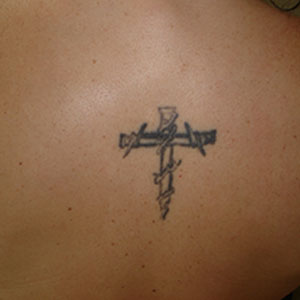
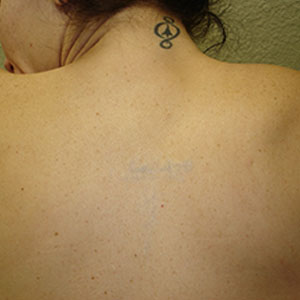
AGE OF TATTOO: 8 years old
STYLE: Professional
SIZE: 3 sq. inches, $177
NUMBER OF TREATMENTS: 5 treatments


AGE OF TATTOO: 3 years old
STYLE: Professional
SIZE: 3 sq. inches, $177
NUMBER OF TREATMENTS: 4 treatments
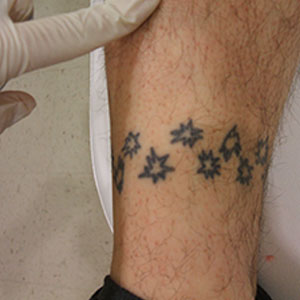
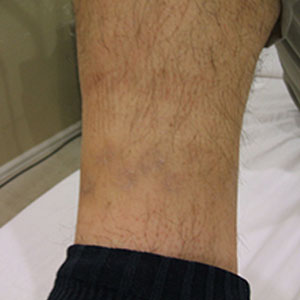
AGE OF TATTOO: 11 years old
STYLE: Professional
SIZE: 4 sq. inches, $216
NUMBER OF TREATMENTS: 9 treatments
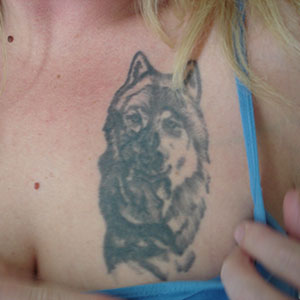

AGE OF TATTOO: 10 years old
STYLE: Professional
SIZE: 9 sq. inches, $294
NUMBER OF TREATMENTS: 8 treatments