



Il panorama dei casinò online sta vivendo una trasformazione senza precedenti: i giocatori non sono più confinati a un unico mercato nazionale, ma si spostano liberamente tra continenti alla ricerca di slot con alto RTP, bonus di benvenuto generosi e esperienze di live dealer più realistiche. In questo contesto, la capacità di gestire pagamenti internazionali in modo rapido, trasparente e sicuro è diventata un fattore competitivo fondamentale. Un processo di deposito o prelievo lento può far perdere la fiducia di un utente, mentre un’infrastruttura multivaluta ben progettata consente di offrire prelievi istantanei e di ridurre il churn.
Per approfondire le soluzioni più avanzate, i lettori possono consultare la pagina dedicata di Fashionfantasygame al crypto casino: https://www.fashionfantasygame.com/crypto-casino.html. Qui è possibile trovare una panoramica delle opzioni di pagamento più innovative, senza però sostituirsi a una valutazione normativa o tecnica.
Nel nuovo anno, le tendenze si concentreranno su tre pilastri: l’integrazione di criptovalute come Bitcoin, l’adozione di architetture di gateway multivaluta più resilienti e l’applicazione di standard di sicurezza più rigidi. Questo articolo analizza ciascuna di queste aree, offrendo esempi concreti, best practice operative e suggerimenti per preparare il proprio casinò a un futuro più globale e sicuro.
Negli ultimi dieci anni, i casinò digitali hanno abbandonato le sole carte di credito per abbracciare portafogli elettronici, sistemi di pagamento mobile e, più recentemente, le criptovalute. Le prime piattaforme basate su Visa e MasterCard garantivano affidabilità, ma imponevano commissioni elevate e tempi di elaborazione di 2‑3 giorni per i prelievi. L’avvento di PayPal, Skrill e Neteller ha ridotto i costi di transazione e ha introdotto i prelievi istantanei, rendendo più fluida l’esperienza di gioco.
Il salto verso le crypto ha cambiato il gioco: Bitcoin, Ethereum e token dedicati come il casino‑token “SpinCoin” permettono depositi in pochi secondi, con commissioni quasi nulle e la possibilità di accedere a bonus di benvenuto esclusivi per i pagamenti in crypto. Alcuni operatori hanno persino sperimentato sistemi di “staking” per offrire jackpot progressivi alimentati da pool di liquidità decentralizzate.
Le normative internazionali hanno cominciato a seguire il ritmo. L’Unione Europea, tramite la PSD2, ha imposto standard di autenticazione forte, mentre le autorità di Curaçao e Malta hanno pubblicato linee guida specifiche per i pagamenti in criptovaluta nei giochi d’azzardo. Questi quadri normativi stanno uniformando le procedure di KYC/AML, rendendo più semplice per gli operatori offrire servizi globali senza incorrere in sanzioni.
La transizione dal denaro fiat ai sistemi digitali si è svolta in tre fasi chiave: (1) la diffusione dei portafogli elettronici, (2) l’integrazione di API di pagamento che consentono checkout in un clic, e (3) l’adozione di blockchain per garantire tracciabilità e anonimato controllato. Oggi, la maggior parte dei casinò supporta almeno due metodi di pagamento digitali oltre alle tradizionali carte.
Le soluzioni white‑label come PayGate, Stripe e BitPay offrono pacchetti chiavi in mano che includono gestione della frode, conversione automatica delle valute e reporting fiscale. Un operatore può, ad esempio, integrare un modulo di pagamento in pochi minuti, configurare il flusso di conversione EUR → USDT e beneficiare di un servizio di monitoraggio 24/7. Questo modello riduce i costi di sviluppo interno e permette di lanciare rapidamente campagne promozionali legate a nuove valute.
Un gateway multivaluta affidabile deve combinare flessibilità tecnica e robustezza contro gli attacchi. Le componenti principali includono:
I micro‑servizi facilitano l’integrazione di valute diverse, poiché ogni servizio (es. conversione, verifica KYC, gestione delle commissioni) può scalare indipendentemente. Un’architettura basata su Kubernetes garantisce che il carico di conversione EUR‑USD‑USDT sia distribuito su più nodi, evitando colli di bottiglia.
Per garantire continuità operativa, è fondamentale implementare strategie di ridondanza: replica dei database in più regioni, failover automatico e backup giornalieri crittografati. Il disaster recovery deve prevedere un tempo di ripristino (RTO) inferiore a 30 minuti e una perdita di dati (RPO) pari a zero, soprattutto per i wallet crypto che non tollerano interruzioni.
| Aspetto | Tokenizzazione | Crittografia tradizionale |
|---|---|---|
| Scopo principale | Sostituire dati sensibili con token | Offuscare dati mediante chiavi |
| Recupero dati originali | Solo tramite vault sicuro (non reversibile) | Richiede chiave di decrittazione |
| Impatto sulle prestazioni | Basso, poiché i token sono più piccoli | Moderato, dipende dalla lunghezza della chiave |
| Conformità PCI‑DSS | Semplice, riduce l’ambito di scoping | Richiede protezione completa del database |
La tokenizzazione è preferibile per i dati di pagamento, mentre la crittografia resta indispensabile per le chiavi private delle blockchain, dove la perdita di una chiave significa perdita permanente dei fondi.
Il bilanciatore distribuisce le richieste di conversione tra istanze di micro‑servizio basate su metriche di CPU e latenza. Quando il volume di depositi in Bitcoin supera la soglia di 500 transazioni al minuto, il sistema lancia automaticamente nuove repliche, garantendo tempi di risposta inferiori a 200 ms. Inoltre, le funzioni serverless gestiscono picchi di traffico stagionali, come le promozioni di bonus di benvenuto durante i grandi eventi sportivi.
Le normative anti‑lavaggio (AML) e di conoscenza del cliente (KYC) richiedono la verifica dell’identità prima di ogni transazione superiore a €1.000 o l’equivalente in crypto. I casinò devono implementare soluzioni di verifica biometrica o documentale, integrandole con i sistemi di pagamento per bloccare attività sospette in tempo reale.
Il GDPR impone che i dati personali dei giocatori europei siano trattati con consenso esplicito e conservati per un periodo limitato. Per le piattaforme che operano negli USA, la licenza di pagamento richiede la registrazione presso la FinCEN e l’adozione di programmi di monitoraggio delle transazioni (CTF). In Asia‑Pacifica, paesi come Singapore e Giappone hanno introdotto linee guida specifiche per le crypto‑casino, richiedendo licenze separate per l’emissione di token di gioco.
Le leggi sul crypto‑gaming influenzano la scelta delle valute supportate: ad esempio, le giurisdizioni che vietano le scommesse con Bitcoin spingono gli operatori a offrire stablecoin (USDT, USDC) come alternativa più regolamentata.
Le reti di conversione valuta sono bersaglio di attacchi “man‑in‑the‑middle” (MITM) che intercettano le richieste di cambio EUR‑USDT, inserendo commissioni fraudolente o reindirizzando i fondi a portafogli controllati dagli aggressori. Inoltre, le blockchain sono vulnerabili al double‑spending, soprattutto nelle reti con bassa conferma come alcune sidechain. I wallet integrati nei casinò possono contenere bug di gestione delle chiavi, aprendo la porta a furti di token.
I sistemi di monitoraggio utilizzano algoritmi di machine learning per confrontare il pattern storico di transazioni con quello corrente. Quando il volume di prelievi supera la media del 150 % in un intervallo di 10 minuti, viene generato un alert automatico. L’analisi delle sequenze di IP, dispositivi e importi consente di identificare comportamenti tipici di frode, come l’utilizzo di VPN per mascherare la provenienza.
Per prelievi superiori a €5.000 o 0,5 BTC, è consigliato richiedere MFA basato su OTP via SMS o app di autenticazione, combinato con la verifica biometrică del dispositivo. Alcuni operatori offrono anche “hardware token” (YubiKey) per gli utenti premium, riducendo drasticamente il rischio di compromissione.
Il casinò “WorldSpin” ha scelto PayGate per la gestione dei pagamenti fiat e BitPay per le criptovalute. Dopo una fase di test, ha integrato tre valute – EUR, USD e USDT – in un unico flusso di checkout. Gli utenti selezionano la valuta di partenza, il sistema mostra in tempo reale il tasso di conversione (es. 1 USDT = 0,92 EUR) e applica una commissione fissa dello 0,5 %.
Le metriche raccolte nei primi tre mesi mostrano:
Questo approccio ha permesso a WorldSpin di aumentare il volume di gioco del 22 % e di ridurre i ticket di supporto legati ai pagamenti del 35 %.
Un’interfaccia pulita è cruciale: la pagina di checkout deve mostrare la conversione in tempo reale, le commissioni e il valore finale in valuta locale. Un widget di “cambio live” permette di confrontare, ad esempio, €100 in EUR, $110 in USD e 108 USDT, con l’indicazione del tasso medio del mercato.
Una dashboard personale mostra: data, importo, valuta di origine, valuta di destinazione, commissioni e stato (in attesa, completato, rifiutato). Gli utenti possono filtrare per periodo e impostare notifiche push per prelievi superiori a una soglia definita.
Il chatbot, alimentato da NLP, risponde a domande frequenti come “Perché il mio prelievo è in attesa?” o “Qual è il tasso di cambio attuale per USDT?”. Se il problema è più complesso, il bot trasferisce la conversazione a un operatore umano, riducendo i tempi di attesa da 15 a 3 minuti.
L’intelligenza artificiale sta diventando il cuore della prevenzione frodi: modelli predittivi analizzano milioni di transazioni in tempo reale, identificando pattern di abuso prima che avvengano. Alcuni casinò sperimentano “AI‑driven risk scoring” per adeguare dinamicamente le soglie di MFA.
Il DeFi offre liquidità automatica tramite pool di staking; un casinò può prelevare USDT da un pool e convertirlo immediatamente in EUR per pagare i vincitori, senza passare per un intermediario tradizionale. Tuttavia, le autorità di regolamentazione stanno ancora definendo le linee guida per questi meccanismi, il che può introdurre incertezze legali.
Standard emergenti come ISO 20022 e l’Open Banking stanno uniformando i formati di messaggistica finanziaria, facilitando l’interoperabilità tra sistemi fiat e crypto. Quando questi protocolli saranno pienamente adottati, i casinò potranno offrire checkout “one‑click” che gestiscono conversioni tra qualsiasi valuta, riducendo ulteriormente i tempi di autorizzazione.
Adottare un sistema di pagamento multivaluta sicuro rappresenta oggi più di un vantaggio competitivo: è una necessità per chi vuole operare in un mercato globale dove i giocatori richiedono rapidità, trasparenza e protezione. Le best practice illustrate – dall’uso di tokenizzazione alla conformità AML/KYC, dal bilanciamento del carico al monitoraggio AI – forniscono una roadmap concreta per preparare il proprio casinò al nuovo anno.
Invitiamo i lettori a valutare le proprie piattaforme alla luce di questi criteri, a consultare risorse come Fashionfantasygame per scoprire le ultime novità sui crypto casino e a pianificare investimenti in sicurezza e interoperabilità. Solo così si potrà mantenere la fiducia dei giocatori, garantire prelievi istantanei e sfruttare appieno le opportunità offerte da Bitcoin e dalle stablecoin in un’era di gioco sempre più globale.


Ryan graduated with a Bachelor of Science in Nursing (BSN) in 2011 from Wayne State University in Detroit, MI. Upon graduating he started working in the ICU at Detroit Receiving Hospital in the Burn Unit where he specialized in treating trauma patients along with being a wound care specialist. It was there that he gained tremendous knowledge of the skin and how to recognize and treat burns and other skin related trauma. He also graduated with a Bachelor in Business Administration (BBA) in 2001 from Western Michigan University in Kalamazoo, MI, where he majored in Integrated Supply Chain Management (ISM) and minored in mathematics.
Ryan has earned two official certificates from the State of Colorado; Certified Laser Tattoo Specialist and Laser Safety Officer.
Ryan holds a license from the State of Michigan as a Registered Nurse (RN).
Ryan grew up in Metro Detroit, and has two sons named Jonathan and Christian and a daughter named Kaia. He enjoys golf, wakeboarding, and wakesurfing in the summer and skiing and snowmobiling in the winter.
Ryan is involved with the SaveHaiti volunteer team and he completed a one week mission to Haiti in 2013. During his mission trip their group helped set up a free clinic for local Haitians, which also included an operating room designed to perform cataract surgeries. During his time there, they assisted the locals with general health screenings, administering eye exams in conjunction with passing out the appropriate prescription glasses, and performing cataract surgeries for those in need. He is also involved in the annual Children’s Christmas Workshop in Northville, MI where they teach kids how to make presents for their friends and family by hand using tools under adult supervision. Each year they select 7 different gifts for the kids to construct from scratch with traditional materials like wood, wire, sheet tin, etc., and using other recycled materials, they then gift wrap them so they can be given away as presents. It is a wonderful learning experience for all the kids involved.
Dr. Silveira received her medical degree from the State University of New York at Stony Brook and completed her residency in Primary Care Internal Medicine at the Oregon Health and Sciences University in Portland OR. She has been practicing general medicine since 1999. She has a special interest in general cosmetic dermatology. She enjoys art, theater, and jazz. Read more.

I would like more information on

Call now to schedule your Free Consultation! 734-629-5434
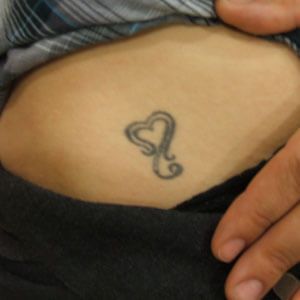

AGE OF TATTOO: 8 years old
STYLE: Professional
SIZE: 1 sq. inch, $99
NUMBER OF TREATMENTS: 4 treatments


AGE OF TATTOO: 14 years old
STYLE: Professional
SIZE: 1.5 sq. inches, $119
NUMBER OF TREATMENTS: 6 treatments


AGE OF TATTOO: 7 years old
STYLE: Professional
SIZE: 3 sq. inches, $177
NUMBER OF TREATMENTS: 6 treatments
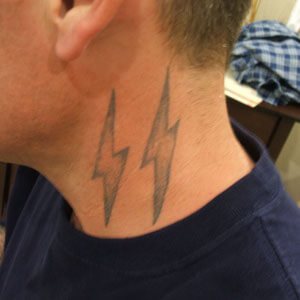
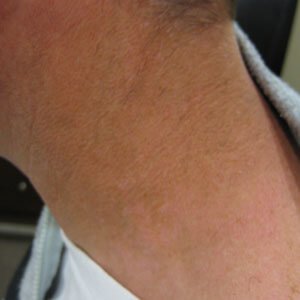
AGE OF TATTOO: 6 years old
STYLE: Professional
SIZE: 5 sq. inches, $255
NUMBER OF TREATMENTS: 5 treatments

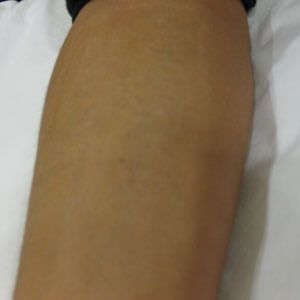
AGE OF TATTOO: 12 years old
STYLE: Amateur
SIZE: 7 sq. inches, $294
NUMBER OF TREATMENTS: 12 treatments

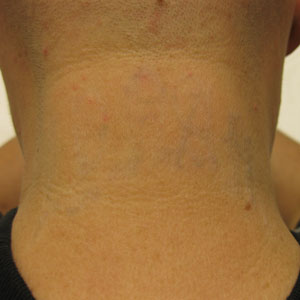
AGE OF TATTOO: 10 years old
STYLE: Professional
SIZE: 5 sq. inches, $255
NUMBER OF TREATMENTS: 10 treatments

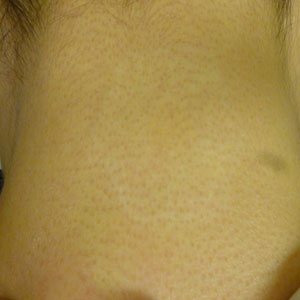
AGE OF TATTOO: 10 years old
STYLE: Professional
SIZE: 5 sq. inches, $255
NUMBER OF TREATMENTS: 10 treatments

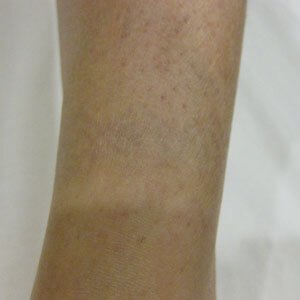
AGE OF TATTOO: 8 years old
STYLE: Professional
SIZE: 7 sq. inches, $294
NUMBER OF TREATMENTS: 10 treatments


AGE OF TATTOO: 5 years old
STYLE: Professional
SIZE: 4 sq. inches, $216
NUMBER OF TREATMENTS: 7 treatments
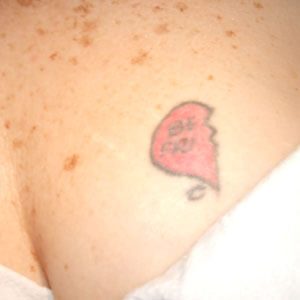
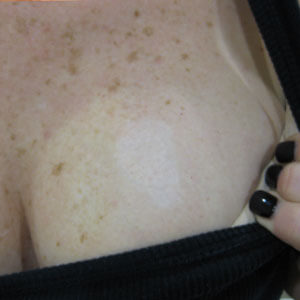
AGE OF TATTOO: 17 years old
STYLE: Professional
SIZE: 2 sq. inches, $138
NUMBER OF TREATMENTS: 4 treatments
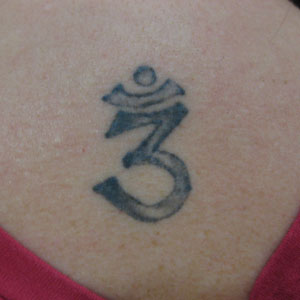
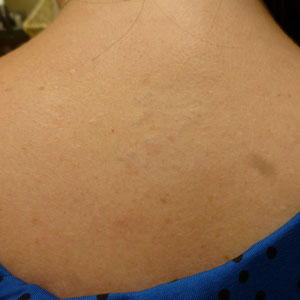
AGE OF TATTOO: 8 years old
STYLE: Professional
SIZE: 3 sq. inches, $177
NUMBER OF TREATMENTS: 5 treatments

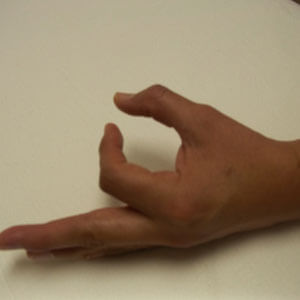
AGE OF TATTOO: 9 years old
STYLE: Amateur
SIZE: 1 sq. inch, $99
NUMBER OF TREATMENTS: 6 treatments
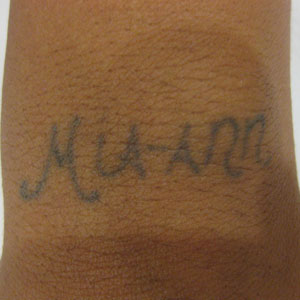
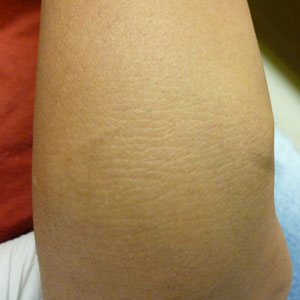
AGE OF TATTOO: 10 years old
STYLE: Professional
SIZE: 1.5 sq. inches, $119
NUMBER OF TREATMENTS: 2 treatments
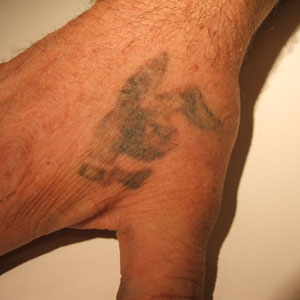
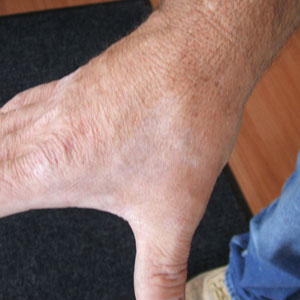
AGE OF TATTOO: 20 years old
STYLE: Amateur
SIZE: 1.5 sq. inches, $119
NUMBER OF TREATMENTS: 6 treatments
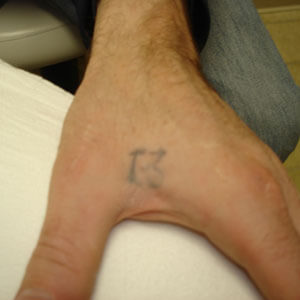
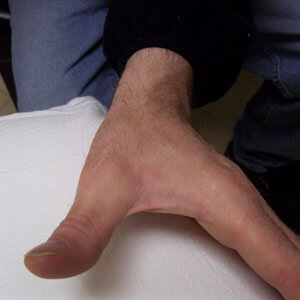
AGE OF TATTOO: 15 years old
STYLE: Amateur
SIZE: <1 sq inch, $49
NUMBER OF TREATMENTS: 3 treatments
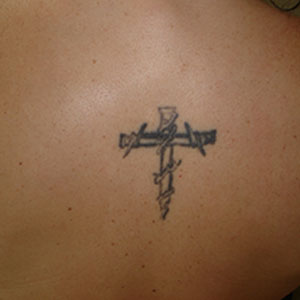
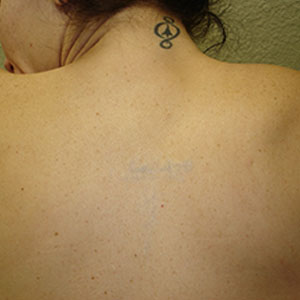
AGE OF TATTOO: 8 years old
STYLE: Professional
SIZE: 3 sq. inches, $177
NUMBER OF TREATMENTS: 5 treatments

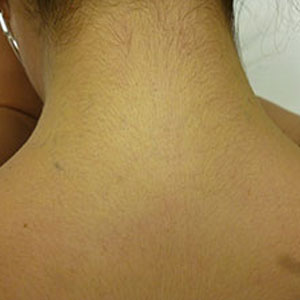
AGE OF TATTOO: 3 years old
STYLE: Professional
SIZE: 3 sq. inches, $177
NUMBER OF TREATMENTS: 4 treatments
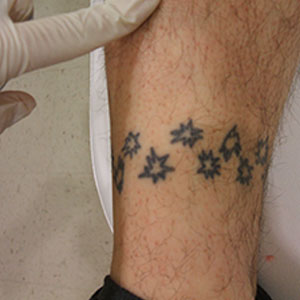
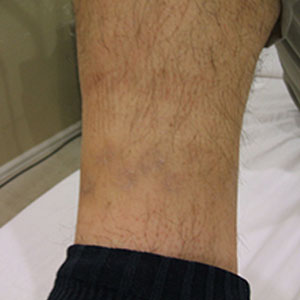
AGE OF TATTOO: 11 years old
STYLE: Professional
SIZE: 4 sq. inches, $216
NUMBER OF TREATMENTS: 9 treatments
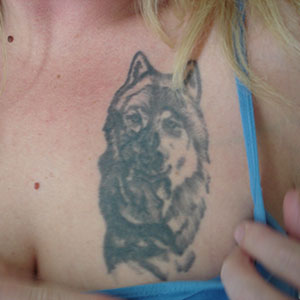
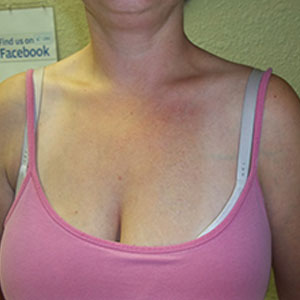
AGE OF TATTOO: 10 years old
STYLE: Professional
SIZE: 9 sq. inches, $294
NUMBER OF TREATMENTS: 8 treatments