


Il mondo dei casinò online sta vivendo una vera rivoluzione multidevice: il giocatore non si limita più a sedersi davanti a un PC per ore, ma passa fluidamente dal desktop al cellulare, dal tablet al smartwatch, cercando il momento giusto per puntare sul jackpot progressivo. Questa frammentazione dei punti di accesso richiede un’infrastruttura capace di mantenere lo stato di gioco, le credenziali e le promozioni attive senza interruzioni.

Per approfondire le migliori offerte di gioco visita https://www.tttlines.it/. Il sito è una risorsa utile per confrontare le proposte dei vari operatori, senza però fornire valutazioni ufficiali.

Nell’articolo che segue analizzeremo perché la sincronizzazione cross‑device è cruciale per i jackpot, come funzionano i progressivi, l’architettura tecnica necessaria, una checklist passo‑passo per implementarla, le migliori pratiche di UX, la sicurezza normativa, gli indicatori di performance e i trend emergenti come IA e blockchain. Il risultato sarà una panoramica completa per operatori, sviluppatori e manager che vogliono offrire un’esperienza fluida e competitiva.

Perché la sincronizzazione cross‑device è fondamentale per i jackpot

I giocatori moderni vivono in un contesto di micro‑sessioni: una pausa caffè, un viaggio in metropolitana o una breve attesa in fila diventano occasioni per lanciare una scommessa. Quando il dispositivo cambia, la continuità di stato è spesso persa, costringendo l’utente a ricominciare da capo o a perdere il conteggio del jackpot.

Questa perdita di continuità influisce direttamente sulla probabilità di partecipare a un jackpot progressivo. Se il giocatore ha accumulato 5 giri su una slot “Mega Fortune” dal desktop, ma al passaggio al mobile il conteggio si azzera, il valore potenziale del jackpot diminuisce per tutti.

Le piattaforme non sincronizzate trattano ogni dispositivo come un’entità isolata: database separati, sessioni locali e credenziali duplicate. Al contrario, le soluzioni integrate mantengono un unico record utente, aggiornando in tempo reale il saldo, le puntate e lo stato del jackpot. Questo approccio riduce il churn, aumenta il tempo medio di gioco e rende più probabile che il giocatore completi il requisito di “trigger” del jackpot.

Un esempio concreto: un operatore che ha implementato la sincronizzazione ha registrato un aumento del 12 % di partecipazione ai jackpot progressivi in un trimestre, semplicemente perché i giocatori potevano continuare la sessione dal tablet senza perdere il conteggio dei giri.

Come funzionano i jackpot progressivi nei casinò online

I jackpot progressivi nascono da un meccanismo di accumulo: una piccola percentuale di ogni scommessa (di solito dallo 0,1 % al 1 %) viene versata in un fondo comune. Questo fondo cresce finché non viene attivato da un evento specifico, come l’allineamento di simboli “Jackpot” su una slot o il raggiungimento di un certo numero di giri.

Le tipologie più diffuse sono:

Tipo di jackpot Descrizione Esempio di gioco
Stand‑alone Fondo legato a una singola slot; il valore è visibile solo su quella macchina. “Divine Fortune”
Network Fondo condiviso tra più slot dello stesso provider; il valore può superare i 5 milioni di euro. “Mega Moolah”
Progressive collegati Jackpot che combina più provider o più piattaforme, creando un pool enorme. “Mega Fortune Dreams”

Il trigger può essere casuale (una combinazione a caso) o basato su un requisito di puntata (ad esempio, 100 giri su una determinata linea). Quando il trigger avviene, il server centralizzato calcola la vincita, la paga al giocatore e resetta il fondo al valore di partenza.

Il ruolo dei server centralizzati è cruciale: gestiscono il pool di fondi, verificano l’integrità delle transazioni e garantiscono che il payout avvenga in modo atomico, evitando doppie vincite. Inoltre, la trasparenza del fondo è spesso mostrata in tempo reale sulla UI, alimentando l’interesse del giocatore.

Architettura tecnica di un sistema di sincronizzazione cross‑device

Una soluzione di sincronizzazione efficace si basa su tre componenti chiave:

  1. Database utente – un repository unico (es. PostgreSQL o DynamoDB) che conserva saldo, cronologia delle puntate, stato del jackpot e preferenze.
  2. Session manager – servizio che genera e valida token di autenticazione, gestisce la durata della sessione e mantiene la mappatura dispositivo‑utente.
  3. API di gioco – layer REST o WebSocket che espone metodi per aggiornare lo stato (es. “addSpin”, “updateBalance”) e per ricevere notifiche in tempo reale.

Il flusso semplificato è il seguente:

  • L’utente effettua il login → il session manager crea un JWT con claim “userId” e “exp”.
  • Il client (desktop, mobile o tablet) invia il token ad ogni chiamata API.
  • L’API verifica il token, legge o scrive dati nel database, e, se necessario, pubblica un evento su un broker (Kafka, RabbitMQ).
  • I client sottoscrivono gli eventi tramite WebSocket, aggiornando immediatamente UI e contatori del jackpot.

Sessioni persistenti e token di autenticazione

I token JWT contengono informazioni crittografate che permettono al server di riconoscere l’utente senza dover interrogare il database ad ogni richiesta. Un token valido per 24 ore è sufficiente per coprire la maggior parte delle sessioni di gioco; al superamento del tempo, il client richiede un nuovo token tramite refresh token.

Cache distribuita per ridurre la latenza

Per garantire aggiornamenti quasi in tempo reale, i valori più richiesti (saldo, stato del jackpot, impostazioni UI) sono memorizzati in una cache distribuita come Redis. Quando un giocatore aggiunge un giro, il valore viene scritto prima nella cache, poi propagato asincronamente al database. Questo approccio riduce la latenza percepita a meno di 50 ms, fondamentale per le esperienze mobile.

Passo‑passo: configurare la sincronizzazione su una piattaforma di casinò

  1. Scelta del provider di backend – Node.js con Express è ideale per API REST leggere; .NET Core offre tipizzazioni rigide, mentre Java (Spring Boot) garantisce scalabilità enterprise.
  2. Definizione dello schema utente – includere campi “userId”, “balance”, “jackpotProgress”, “preferences”.
  3. Implementazione delle API
  4. POST /login → genera JWT.
  5. POST /spin → valida puntata, aggiorna cache, pubblica evento “spinCompleted”.
  6. GET /jackpot → restituisce valore corrente del jackpot.
  7. WebSocket per notifiche – utilizzare Socket.io (Node) o SignalR (.NET) per inviare aggiornamenti di saldo e jackpot in tempo reale a tutti i dispositivi connessi.
  8. Test di integrazione – creare ambienti di staging con dati fittizi, simulare scenari di cambio dispositivo e verificare la coerenza del conteggio dei giri.
  9. Checklist finale
  10. [ ] Token JWT firmati con chiave RSA a 2048 bit.
  11. [ ] Cache Redis configurata con replica e persistenza AOF.
  12. [ ] Log di audit per ogni operazione di jackpot.
  13. [ ] Monitoraggio latency < 100 ms su endpoint critici.
  14. [ ] Backup giornaliero del database utente.

Ottimizzare l’esperienza utente durante il cambio dispositivo

  • Responsive vs native: le interfacce web responsive garantiscono coerenza visuale, ma le app native possono sfruttare notifiche push e biometria per un login più veloce.
  • Salvataggio automatico delle impostazioni: memorizzare valuta, lingua, tema scuro e volume audio nel profilo utente; al login su un nuovo device, il client carica automaticamente queste preferenze.
  • Notifiche push: inviare un avviso quando il jackpot supera una soglia (es. 1 milione di euro) o quando il giocatore ha giri “in sospeso” su un altro dispositivo.

Esempio pratico: un giocatore che ha iniziato una sessione su desktop e ha 12 giri residui su “Book of Ra Deluxe” riceve una notifica push sul suo smartphone con il messaggio “Riprendi i tuoi 12 giri e sfida il jackpot da 500 k€!”. Questo tipo di reminder aumenta il tasso di completamento del jackpot del 8 %.

Sicurezza e conformità normativa nella sincronizzazione cross‑device

  • GDPR & ePrivacy: i dati personali (nome, email, cronologia di gioco) devono essere criptati a riposo (AES‑256) e in transito (TLS 1.3). Il consenso per il tracciamento deve essere registrato prima di attivare analytics.
  • Gestione delle vulnerabilità
  • Session hijacking: utilizzare cookie HttpOnly, SameSite = Strict e rotazione periodica del token JWT.
  • Replay attack: includere un nonce univoco in ogni richiesta di spin; il server rifiuta richieste duplicate entro 5 secondi.
  • Audit e logging: ogni operazione di jackpot (incremento, trigger, payout) deve essere registrata con timestamp, userId, IP e hash della transazione. I log devono essere immutabili e conservati per almeno 5 anni, come richiesto dalle autorità di gioco.

Analisi dei dati: monitorare l’efficacia della sincronizzazione sui jackpot

I KPI più utili sono:

  • Tempo medio di sessione (per device) – indica se il cambio dispositivo interrompe l’esperienza.
  • Tasso di completamento del jackpot – percentuale di giocatori che raggiungono il trigger rispetto al totale di partecipanti.
  • Churn rate – variazione mensile dei giocatori attivi dopo l’implementazione della sincronizzazione.

Strumenti consigliati: Google Analytics 4 per tracciare eventi cross‑device, Mixpanel per funnel di conversione, o soluzioni proprietarie basate su Elasticsearch per analisi in tempo reale.

Un caso d’uso: analizzando i dati di un operatore, si è scoperto che il 27 % dei giocatori abbandonava la sessione entro 2 minuti dopo il passaggio da desktop a mobile. Dopo aver introdotto il salvataggio automatico delle impostazioni e le notifiche push, il tasso di abbandono è sceso a 14 %, e il valore medio del jackpot è aumentato del 9 %.

Trend futuri: IA, blockchain e nuove frontiere della sincronizzazione

  • Intelligenza artificiale: modelli predittivi possono analizzare il comportamento di gioco e suggerire il momento ottimale per puntare sul jackpot, inviando consigli personalizzati via push.
  • Smart contract su blockchain: i jackpot possono essere gestiti da contratti intelligenti che garantiscono trasparenza totale sul pool, sulla distribuzione e sul payout, riducendo la necessità di fiducia nel provider.
  • Realtà aumentata e VR multidevice: ambienti immersivi consentiranno ai giocatori di “entrare” in un casinò virtuale, con il jackpot visualizzato in 3D e sincronizzato tra occhiali VR, tablet e smartphone.

Queste tecnologie non solo miglioreranno la sicurezza e la trasparenza, ma creeranno nuove opportunità di engagement per i migliori casino online e per chi cerca una lista casino non AAMS più innovativa.

Conclusione

Abbiamo visto come la sincronizzazione cross‑device sia diventata un requisito imprescindibile per i jackpot progressivi: garantisce continuità di gioco, aumenta la probabilità di trigger e riduce il churn. Dal punto di vista tecnico, una combinazione di database unico, token JWT, API REST/WebSocket e cache Redis fornisce la base solida per una sincronizzazione fluida.

Per gli operatori, il prossimo passo è valutare l’attuale architettura, implementare le checklist di sicurezza (GDPR, crittografia, audit) e avviare progetti pilota con analytics avanzate per misurare l’impatto sui KPI. Offrire un’esperienza senza interruzioni su desktop, mobile e tablet non è più un lusso, ma una necessità per mantenere alta la partecipazione ai jackpot.

Visitare risorse come Tttlines può aiutare a confrontare le offerte di mercato e a capire quali soluzioni di backend sono più adatte al proprio modello di business. In un settore dove il divertimento è legato alla rapidità e alla trasparenza, la sincronizzazione è la chiave per trasformare un semplice giro in una vincita da record.


How does
it work?

I would like more information on


Step 1: FREE Consultation

A consultation will be conducted by the Certified Laser Specialist (CLS) to assess the following:

  • Size of the tattoo (sq. inches).
  • Your health (your body does all the work).
  • Ink type/depth/age/application technique (used to determine difficulty/duration for complete removal).
  • Cost of each tattoo removal treatment.
  • If you or the CLS has any question about the success of treatment, a “TEST SPOT” might be conducted (just ask!).
  • The CLS will explain the treatment in depth and will answer any questions the client might have related to the laser tattoo removal process. It is important to disclose on the Medical Questionnaire all medications you are currently taking as some medications can cause adverse reactions.

At the end of the consultation, the CLS will schedule the first treatment. In many cases, there will be enough time at the end of the consultation to move directly into the first treatment.

Step 2: First Treatment

In preparation of your first treatment please:

  • Keep treated area out of the sun for at least 2 weeks prior to treatment.
  • Shave area the day prior (if applicable).
  • No products containing aspirin 24 hours prior to treatment.
  • No AHA’s or other topical acid products on skin.
  • The client will sign in and notify the CLS of any medical changes.
  • The CLS will photograph the tattoo which will be stored with the client’s file.
  • Tattoo Removal Treatment begins!!!!

Step 3: Post-Treatment

The CLS will provide post-treatment instructions and schedule the next appointment.

Additional Tattoo Removal Treatments

Treatments can be scheduled no sooner than 5 weeks apart. If you have a “fresh” tan, we will send you away due to possible hypo-pigmentation complications.

KEEP IT COVERED if in the sun!

A digital photo will be taken at each appointment to track the removal process.

Hours of Operation

Monday 9:00am – 6:00pm
Tuesday Closed
Wednesday 9:00am – 7:00pm
Thursday 9:00am – 7:00pm
Friday 9:00am – 6:00pm
Saturday 9:00am – 1:00pm
Sunday Closed
*Appointments outside of regular business hours are available upon request

Please note that our office will be closed in observance of the following holidays:
New Year’s Day, Memorial Day, Fourth of July, Labor Day, Thanksgiving, Friday after Thanksgiving, Christmas


Ink Blastersdd
Monday 9:00am – 6:00pm
Tuesday Closed
Wednesday 9:00am – 7:00pm
Thursday 9:00am – 7:00pm
Friday 9:00pm – 6:00pm
Saturday 9:00am – 1:00pm
Sunday Closed
*Appointments outside of regular business hours are available upon request

Please note that our office will be closed in observance of the following holidays:
New Year’s Day, Memorial Day, Fourth of July, Labor Day, Thanksgiving, Friday after Thanksgiving, Christmas

For your convenience, we offer the following methods to schedule your appointments:
– Online scheduling: To request appointment availability, please click here to fill out the form. Our scheduling coordinator will contact you to confirm your appointment.
– Call our office at [phone number].
– Email us at [email address] with your preferred date or day of the week and time range, and our scheduling coordinator will contact you to confirm your appointment.
– Completed new patient forms (click here to download)
– List of current medications and medical conditions
Please call our office at least 24 hours in advance of your appointment. We’ll work with you to help you find another date that fits your schedule.
We understand that unforeseen situations may arise that are out of our control. If you miss an appointment. Let me get back to you on this one
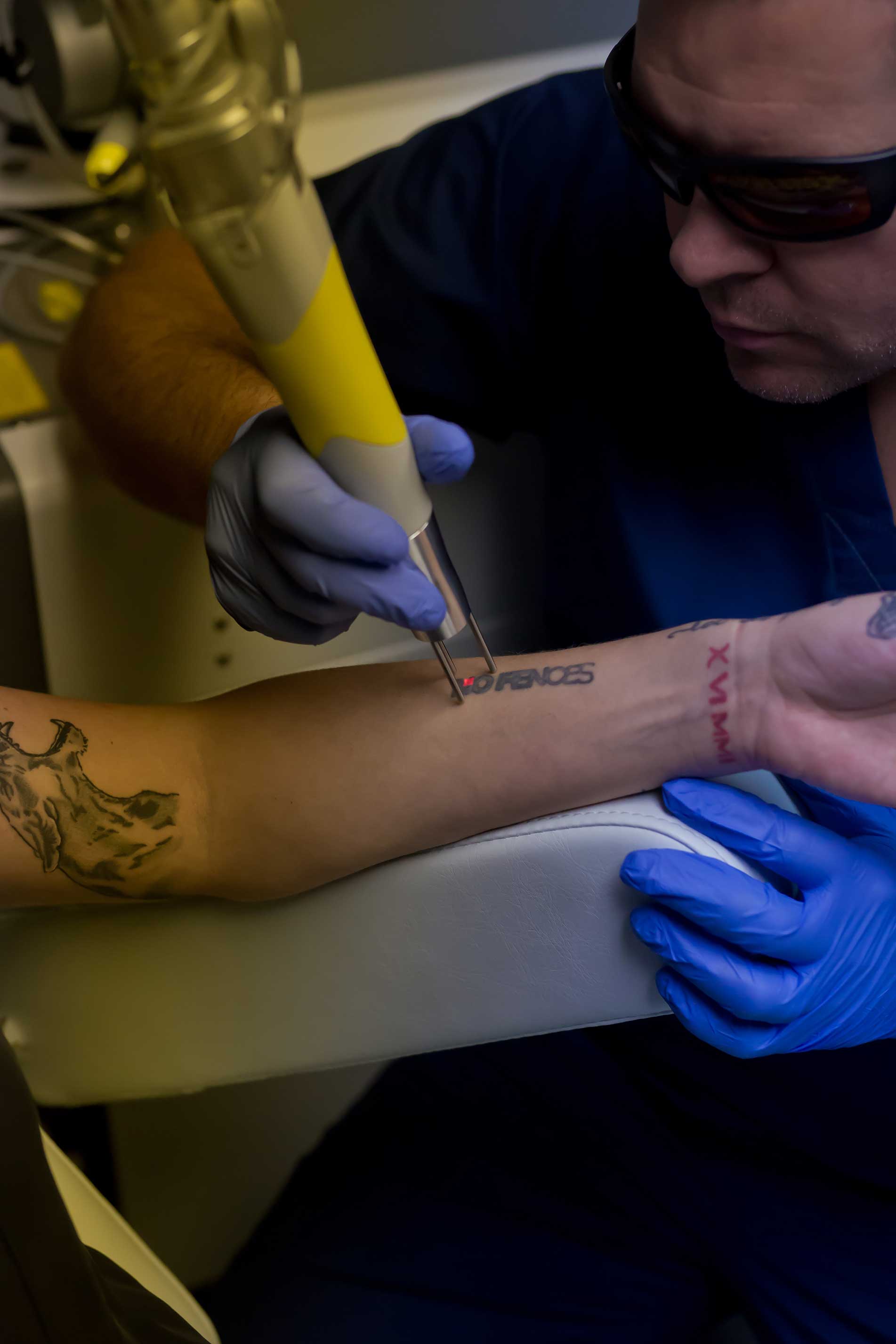
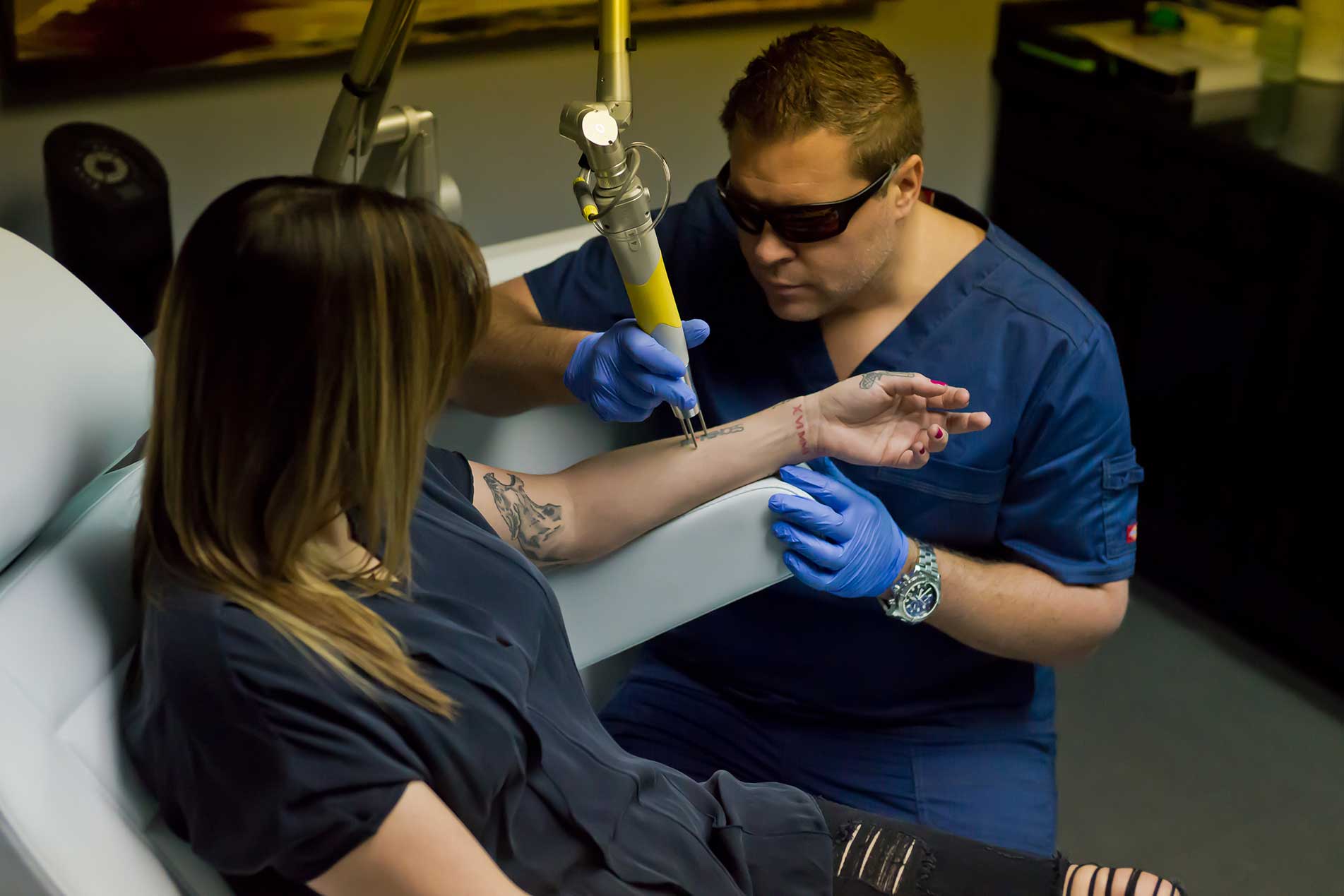
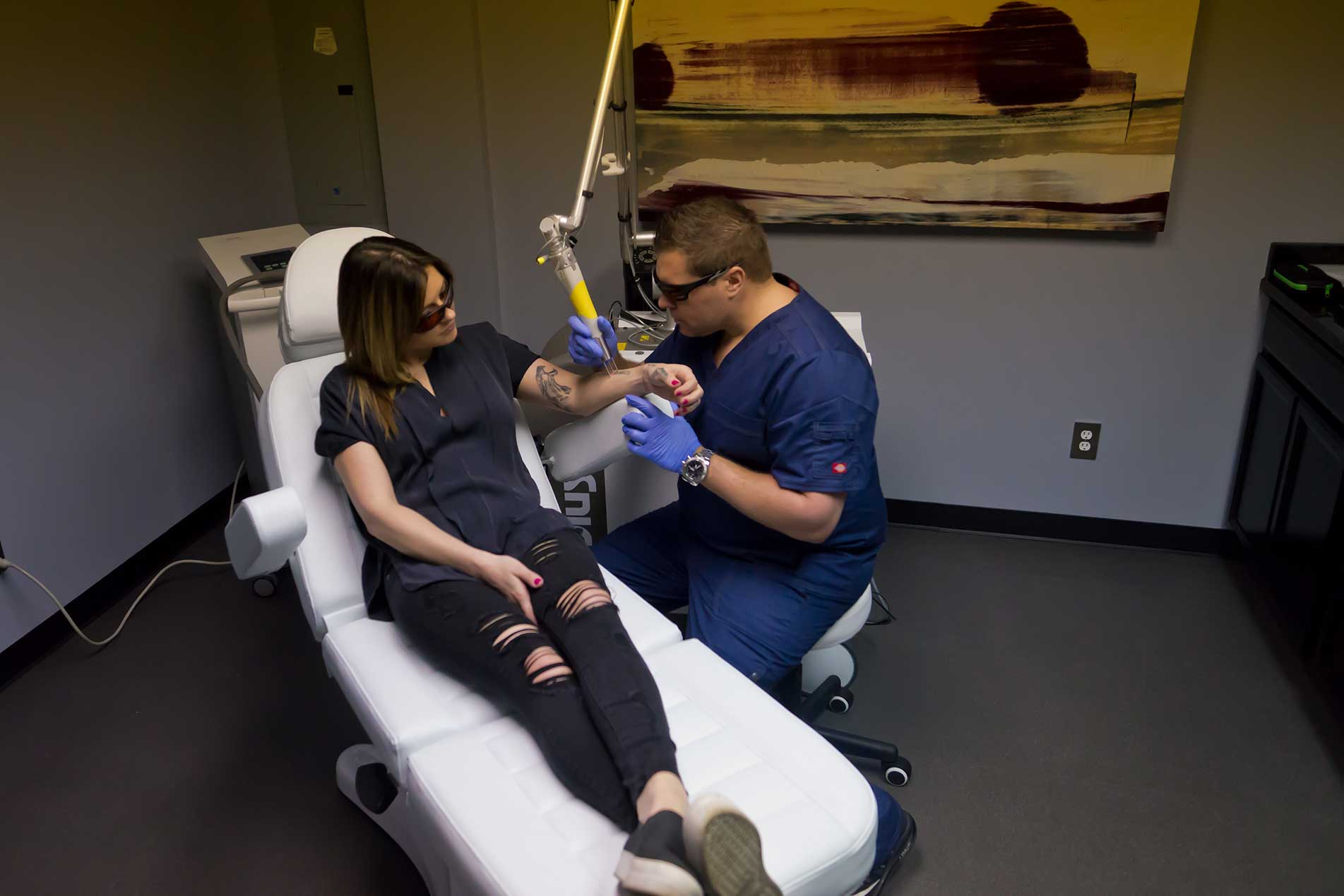
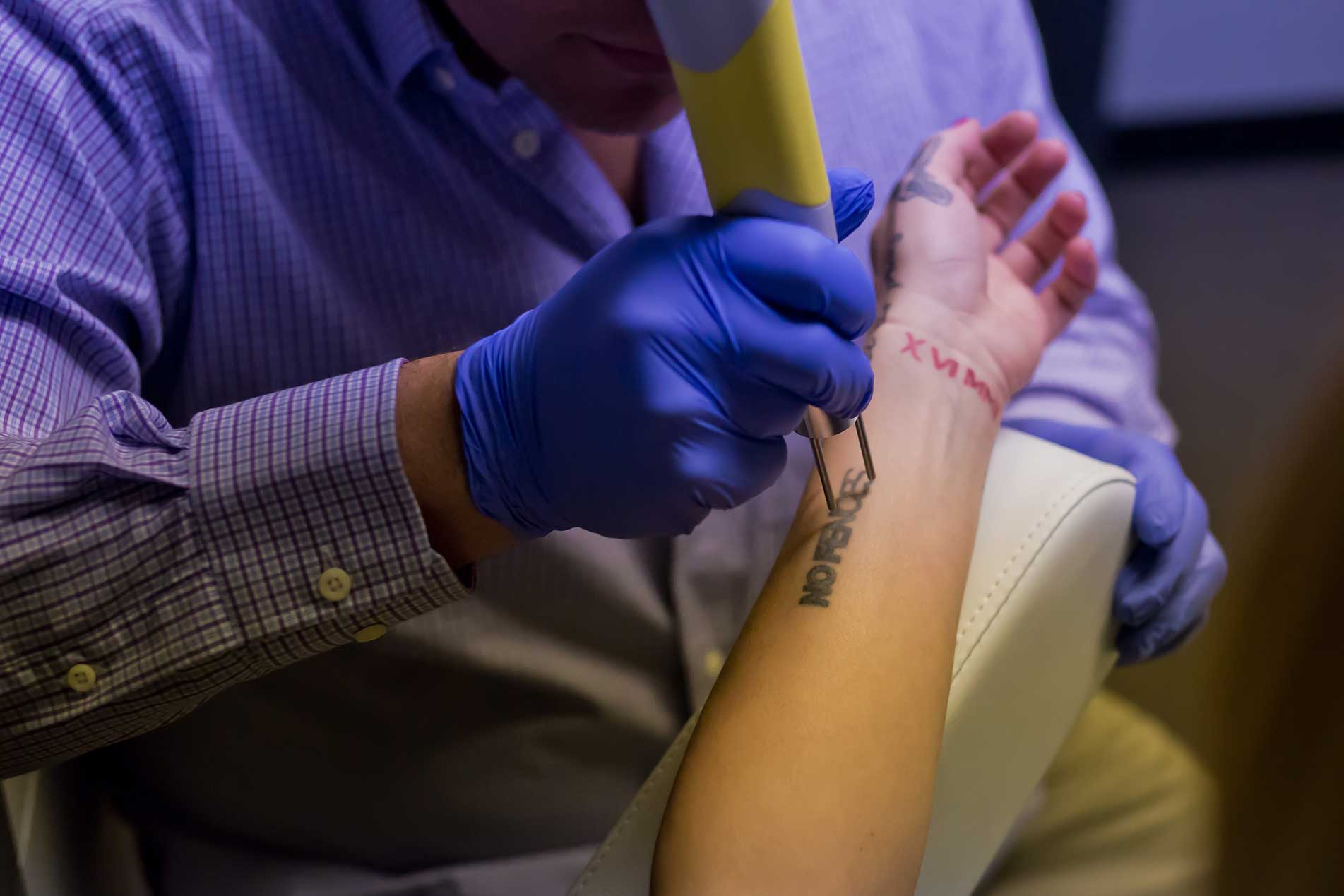
Ink Blasters provides laser tattoo removal services.
We will conduct a thorough examination on your first visit to determine the best course of action to achieve your desired level of tattoo removal.
During your initial consultation we will discuss the history of your tattoo and what results you would like to achieve. This will help us estimate the number of treatments you may need to achieve your desired outcome. We will also measure your tattoo to assure accurate pricing. Once we explain the process of tattoo removal and answer any questions you may have, we always leave time for treatment if desired. If you are still unsure on whether or not you want treatment, consultations are always free and we want you to feel 100% comfortable before starting treatment. We can always give you time to think about it or schedule your treatment for another day.
Many health conditions are indicated on the skin and can affect laser tattoo removal so your medical information is very important in diagnosing issues with your skin and body. Certain medications are also contraindicated with laser tattoo removal so it is very important to disclose ALL of your medications.
Ink Blasters offers these payment options:
Cash, check or credit card at time of service
We will require payment at the time of service.
During your free consultation, we will estimate the amount of treatments your tattoo removal will take based on coloring, placement and size, with size being the most important factor. Once we have determined how many treatments you will need, we can estimate the cost of your removal procedure. Military/emergency discounts are available.
At Ink Blasters LLC, individuals younger than 18 can be treated for tattoo removal with parental consent.
For those traveling in for treatment, Ink Blasters LLC can arrange pick up and drop off at Detroit Metro Airport. Typically, we recommend six hours between the time you land and departure time. This allows for car service to our clinic, one session of tattoo removal treatment, and return service to the airport.
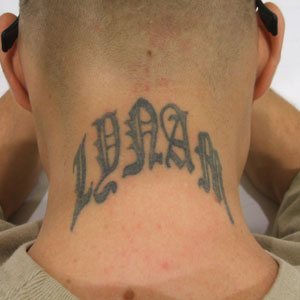
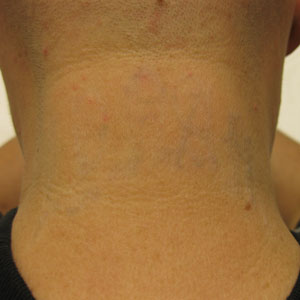
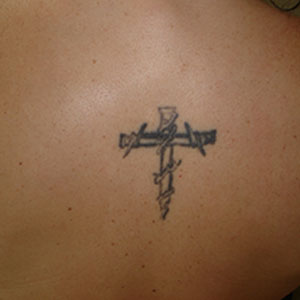
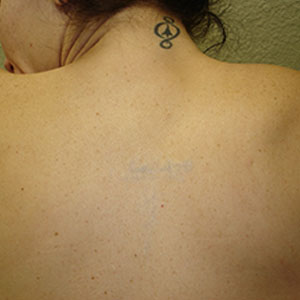
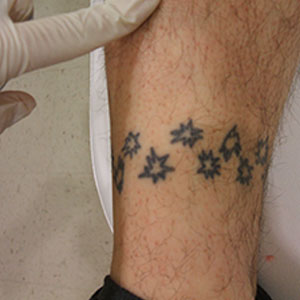
It is easier to remove tattoos from the places on your body that receive more circulation of blood. For example: it would be easier to remove ink from the belly, neck, or chest than from a finger or toe. However, it is possible to remove tattoos from extremities with proper treatment and equipment. See our Before and After Photos page for proof.
We begin each tattoo removal treatment with a test of the laser on a small spot. This way we can determine how your skin will react to UV light and other effects of the removal treatment.
At Ink Blasters LLC we use a Quanta Q-Plus C laser, the only true wave length, Q-switched system available in the world. This laser is capable of administering more power than other lasers with less adverse reaction. It is one of the only lasers in the world that has the proven ability to remove full color ink from a variety of skin types.
Many other lasers use antiquated circular light which is unevenly distributed and creates hot spots. These hot spots are what cause breaking of the skin, severe blistering, and scarring. Quanta’s square beam distributes energy evenly throughout your tissue, leaving no hot spots, but delivering twice the power to break up your tattoo.
At Ink Blasters LLC, clients have less than a 5% chance of walking away with permanent scarring after laser tattoo removal. Because we use the latest in technology and technique, you will receive the safest and most effective treatment available today.
We will start your tattoo removal process with 5 weeks in between treatments. Gradually we progress to 6 weeks, and then 8 weeks between treatments near the end of your process. We believe it is most effective to give your body time to digest the ink after each treatment. By taking time off between removal treatments you are guaranteed the best results.
To keep your tattoo protected between treatments, keep your skin dry and out of the sun. If your tattoo must be in the sun, protect it with SPF 50+ and reapply frequently. Do not place any ointments or bandages over the tattoo and stay away from tanning machines and spray tanning.
In the past, after tattoo removal treatments, clients are in bandages 1-3 weeks after each removal process. With the new laser technology at Ink Blasters LLC, there are no bandages required. After getting treated, you will likely see swelling and redness for 24-72 hours and your skin will feel like it has a mild sunburn.
Tattoo removal treatment is typically a very quick process which only takes a few minutes to complete. Time spent in clinic per treatment typically doesn’t exceed 30 minutes.
The number of laser treatments needed to fully remove your tattoo is dependent on many factors including the size, color, and the depth of penetration of the ink for your particular piece. An amateur or homemade tattoo may only need 2-5 treatments. A professional multi-colored design might need 5-12, or more, treatments. One of the reasons Ink Blasters LLC offers a free consultation is to discuss how many treatments are necessary to remove your unique tattoo.
Laser tattoo removal stings a little. Clients have compared it to having an elastic band snapped against the skin. At Ink Blasters LLC we use a specialized Cooling System which applies chilled air to maximize your comfort.
Everyone can benefit from laser tattoo removal treatment regardless of whether your tattoo was previously treated. At Ink Blasters LLC we work on tattoos in all stages from brand new, to many years old, previously treated, or faded by light or sun exposure. We will treat your tattoo properly using a Quanta Q-Plus C, the only true wavelength Q-switched tattoo removal system available in the world. Ink Blasters specializes in getting it right the first time and even repairing tattoo removal work done by other clinics with older technology.
The great majority of tattoos, whether professionally done or homemade, respond to laser treatments at Ink Blasters LLC. Some pigments, especially green, orange and yellow are more difficult to remove than others, but even these touchy pigments typically respond given enough treatments. Part of what separates Ink Blasters LLC from other laser tattoo removal clinics is our ability to remove a full spectrum of colors. Many other clinics are restricted by older technology which only allows them to remove certain hues.
At Ink Blasters LLC we understand that tattoo removal can be a daunting process. We offer free consultations to allow you time to learn about our process, ask any questions you might have, and become fully comfortable with the removal treatment before beginning. If you can provide us with your health history, type of tattoo, and age of tattoo, our laser tattoo removal specialists (LTRS) and certified laser technicians (CLT) will explain your options for tattoo removal and answer any questions you may have including providing a price for your treatment.


Tattoo Removal Cost

Tattoo removal is priced by the number of solid square inches of ink. The tattoo is measured during the initial consultation using our patented grid formula that will determine the exact size of the tattoo and nothing but the tattoo. Most tattoo removal centers measure the whole area, while we just measure the ink. This saves you money! A specific price will be set for each removal treatment.

Tattoo Removal Cost Per Treatment:

  • $99 for the first square inch and $39 for each additional square inch up to 6 square inches
  • Tattoos between 6 to 10 square inches are $294
  • Tattoos over 10 square inches priced during free consultation
  • 20% discount to Military, Law Enforcement, Fire Protection and Minors (under 18)
  • We offer complimentary radiation tattoo removal to breast cancer survivors
  • Gift Certificates available
  • Topical Anesthetic – $25

Smaller Tattoo Removal Cost Per Treatment

  • Tear Drop – $49
  • 3-5 Dots on Hand $49
  • Rings – $49


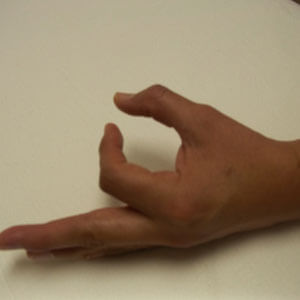
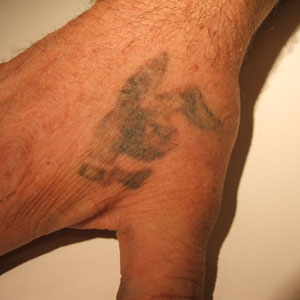
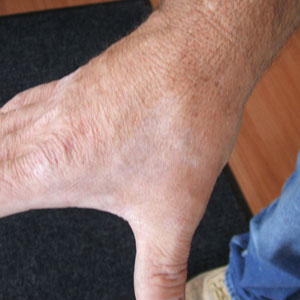
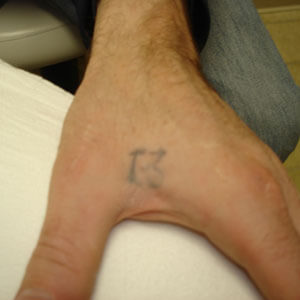
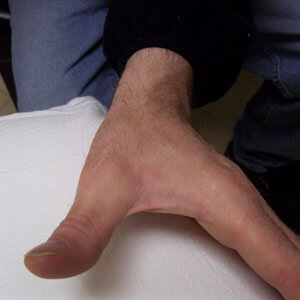
Ink Blaster How Hand - Tattoo Removal in Detroit

Call now to schedule your Free Consultation!   734-629-5434

Contact Us

Call now to schedule your
Free Consultation
734-629-5434

37645 Pembroke Ave.
Livonia, MI 48152
  • Monday9:00am - 6:00pm
  • TuesdayClosed
  • Wednesday9:00am - 7:00pm
  • Thursday9:00am - 7:00pm
  • Friday9:00am - 6:00pm
  • Saturday9:00am - 1:00pm
  • SundayClosed