



When it comes to buying or selling a vehicle, regulations can vary widely from state to state. Understanding these differences is important for both buyers and sellers to ensure compliance and protect their interests. Each state has its own set of laws governing vehicle sales, which can impact everything from documentation to taxes and fees. Let’s explore some of the key differences in vehicle sale regulations across the United States.
One of the most significant differences in vehicle sale regulations is how title transfers are handled. Most states require a signed title from the seller, but the process can differ. For instance, some states mandate that a notary public witness the signing of the title, while others do not. Furthermore, some states allow for electronic title transfers, which can simplify the process significantly.
In Ohio, for example, sellers must provide a properly signed title to the buyer. If the title is lost, the seller needs to apply for a duplicate before selling the vehicle. For detailed guidelines and templates, the Ohio Bill of Sale for Cars can be an invaluable resource.
Sales tax is another area where regulations differ. States like California impose a sales tax based on the sale price of the vehicle, while others, such as Florida, have a set sales tax rate that applies to all vehicle sales. Additionally, some states offer tax exemptions for certain types of vehicles or for transactions between family members.
Buyers should be aware of their state’s specific tax requirements to avoid unexpected costs. It’s also essential to keep in mind that local taxes may apply on top of state taxes in some areas, adding another layer of complexity.
Before a vehicle can be sold, many states require it to undergo emissions or safety inspections. This is particularly common in states with strict environmental regulations. For instance, California has rigorous emissions standards that vehicles must meet before they can be sold. In contrast, states like Montana do not have such requirements, which can make the sale process simpler.
Buyers should check whether an inspection is necessary as part of the sale and ensure that the vehicle complies with their state’s regulations. This could save them from costly repairs or fines later on.
A bill of sale is often a necessary document in vehicle transactions, but the requirements can differ. Some states require a bill of sale to be filled out, signed, and submitted as part of the title transfer process. Others may not require it at all, but having one can still be a good practice for record-keeping purposes.
In Ohio, for example, while a bill of sale is not always mandatory, it is recommended for clarity in the transaction and can help protect both parties involved. An Ohio-specific template can be found at the Ohio Bill of Sale for Cars.
Lemon laws vary significantly across the states, providing different levels of protection for consumers who purchase defective vehicles. Most states have some form of lemon law, but they differ in terms of what qualifies as a “lemon,” the time frame for filing a claim, and the remedies available to consumers.
For example, in New Jersey, buyers have a two-year period to file a claim under its lemon law, while in Florida, the period is just one year. Understanding these laws can help buyers make informed decisions and protect their rights in the event of issues with the vehicle.
The process of registering a vehicle after purchase can also vary. Some states allow buyers to complete the registration online, while others require an in-person visit to a DMV office. The documents needed for registration can differ as well, with some states requiring proof of insurance, while others do not.
Buyers should familiarize themselves with the registration requirements in their state to ensure a smooth transition of ownership. This can prevent delays and potential legal issues down the line.
Title branding refers to the designation given to vehicles that have been salvaged or rebuilt. Each state has its own laws regarding how these titles are issued and the implications for future sales. Some states may require additional inspections or paperwork for vehicles with branded titles, while others may not allow them to be sold at all.
For example, a vehicle that has been declared a total loss may receive a salvage title, which can significantly impact its resale value. Buyers should be cautious when purchasing vehicles with branded titles and ensure they understand the regulations in their state.
Understanding the differences in vehicle sale regulations across states is vital for anyone involved in buying or selling a car. Each regulation can significantly impact the transaction process, so being informed is key. Whether you’re a seasoned dealer or a first-time buyer, knowing these nuances can help you manage the complexities of vehicle sales with confidence.



Ryan graduated with a Bachelor of Science in Nursing (BSN) in 2011 from Wayne State University in Detroit, MI. Upon graduating he started working in the ICU at Detroit Receiving Hospital in the Burn Unit where he specialized in treating trauma patients along with being a wound care specialist. It was there that he gained tremendous knowledge of the skin and how to recognize and treat burns and other skin related trauma. He also graduated with a Bachelor in Business Administration (BBA) in 2001 from Western Michigan University in Kalamazoo, MI, where he majored in Integrated Supply Chain Management (ISM) and minored in mathematics.
Ryan has earned two official certificates from the State of Colorado; Certified Laser Tattoo Specialist and Laser Safety Officer.
Ryan holds a license from the State of Michigan as a Registered Nurse (RN).
Ryan grew up in Metro Detroit, and has two sons named Jonathan and Christian and a daughter named Kaia. He enjoys golf, wakeboarding, and wakesurfing in the summer and skiing and snowmobiling in the winter.
Ryan is involved with the SaveHaiti volunteer team and he completed a one week mission to Haiti in 2013. During his mission trip their group helped set up a free clinic for local Haitians, which also included an operating room designed to perform cataract surgeries. During his time there, they assisted the locals with general health screenings, administering eye exams in conjunction with passing out the appropriate prescription glasses, and performing cataract surgeries for those in need. He is also involved in the annual Children’s Christmas Workshop in Northville, MI where they teach kids how to make presents for their friends and family by hand using tools under adult supervision. Each year they select 7 different gifts for the kids to construct from scratch with traditional materials like wood, wire, sheet tin, etc., and using other recycled materials, they then gift wrap them so they can be given away as presents. It is a wonderful learning experience for all the kids involved.
Dr. Silveira received her medical degree from the State University of New York at Stony Brook and completed her residency in Primary Care Internal Medicine at the Oregon Health and Sciences University in Portland OR. She has been practicing general medicine since 1999. She has a special interest in general cosmetic dermatology. She enjoys art, theater, and jazz. Read more.

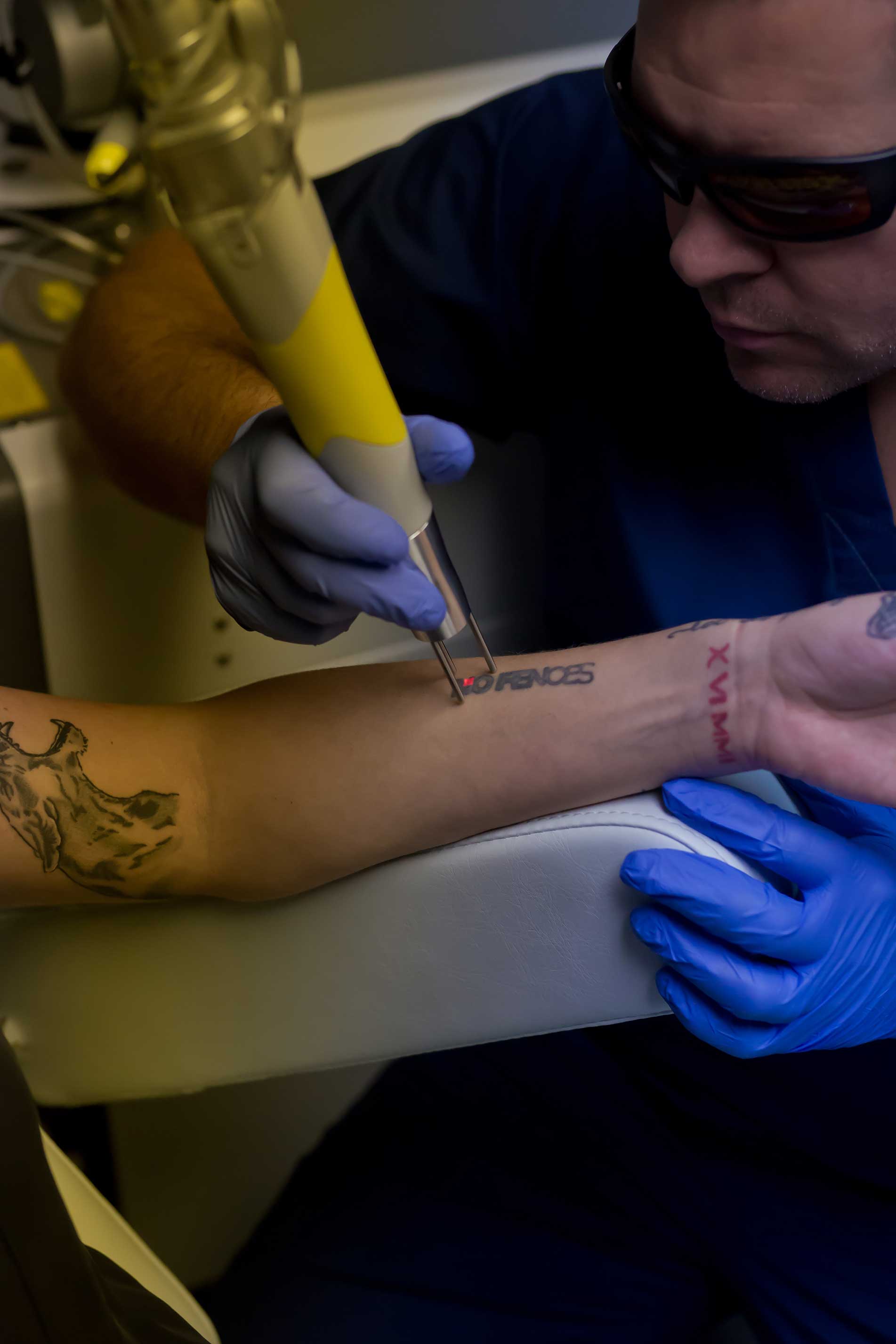
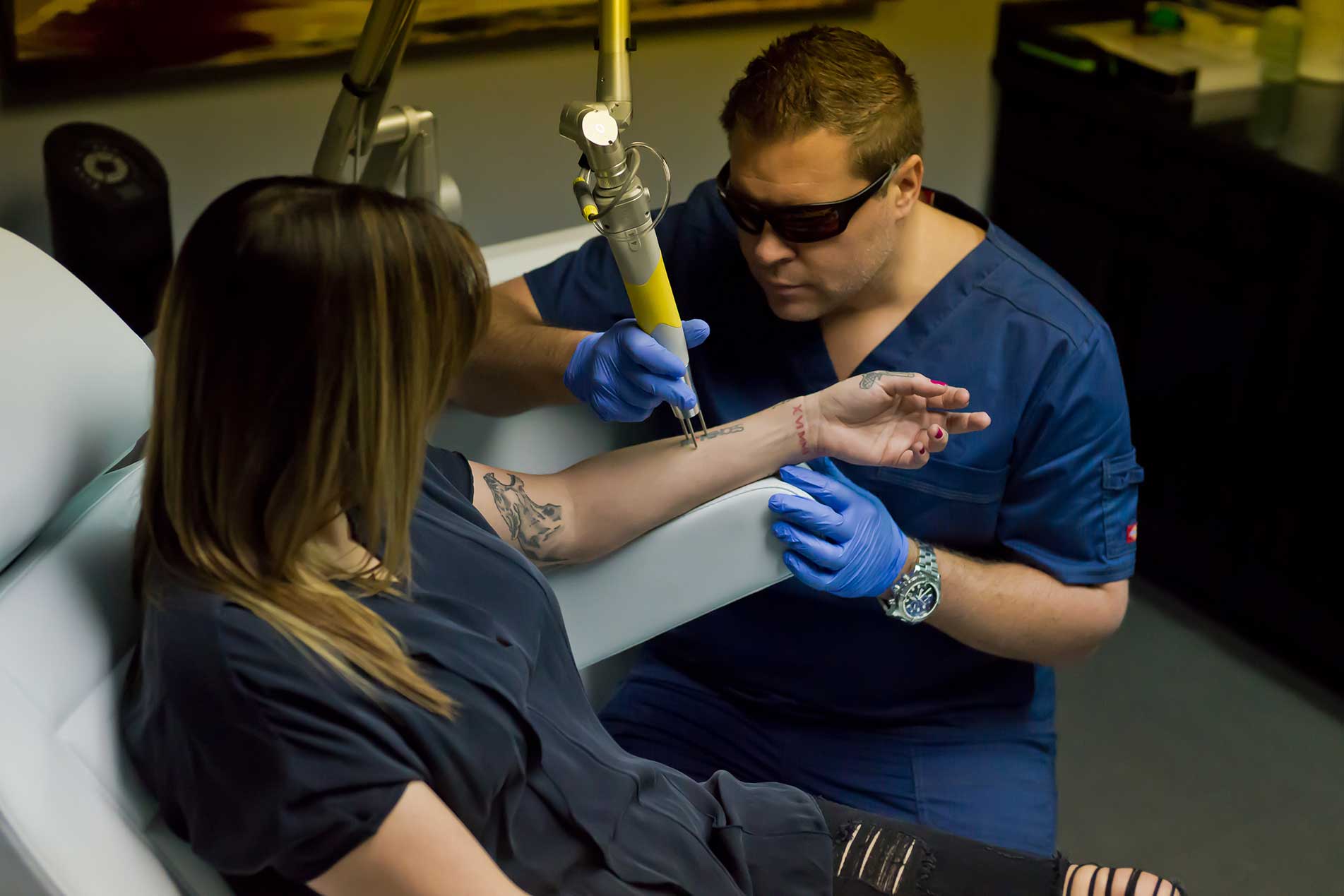


I would like more information on

Call now to schedule your Free Consultation! 734-629-5434


AGE OF TATTOO: 8 years old
STYLE: Professional
SIZE: 1 sq. inch, $99
NUMBER OF TREATMENTS: 4 treatments


AGE OF TATTOO: 14 years old
STYLE: Professional
SIZE: 1.5 sq. inches, $119
NUMBER OF TREATMENTS: 6 treatments


AGE OF TATTOO: 7 years old
STYLE: Professional
SIZE: 3 sq. inches, $177
NUMBER OF TREATMENTS: 6 treatments


AGE OF TATTOO: 6 years old
STYLE: Professional
SIZE: 5 sq. inches, $255
NUMBER OF TREATMENTS: 5 treatments


AGE OF TATTOO: 12 years old
STYLE: Amateur
SIZE: 7 sq. inches, $294
NUMBER OF TREATMENTS: 12 treatments


AGE OF TATTOO: 10 years old
STYLE: Professional
SIZE: 5 sq. inches, $255
NUMBER OF TREATMENTS: 10 treatments


AGE OF TATTOO: 10 years old
STYLE: Professional
SIZE: 5 sq. inches, $255
NUMBER OF TREATMENTS: 10 treatments


AGE OF TATTOO: 8 years old
STYLE: Professional
SIZE: 7 sq. inches, $294
NUMBER OF TREATMENTS: 10 treatments


AGE OF TATTOO: 5 years old
STYLE: Professional
SIZE: 4 sq. inches, $216
NUMBER OF TREATMENTS: 7 treatments


AGE OF TATTOO: 17 years old
STYLE: Professional
SIZE: 2 sq. inches, $138
NUMBER OF TREATMENTS: 4 treatments


AGE OF TATTOO: 8 years old
STYLE: Professional
SIZE: 3 sq. inches, $177
NUMBER OF TREATMENTS: 5 treatments


AGE OF TATTOO: 9 years old
STYLE: Amateur
SIZE: 1 sq. inch, $99
NUMBER OF TREATMENTS: 6 treatments
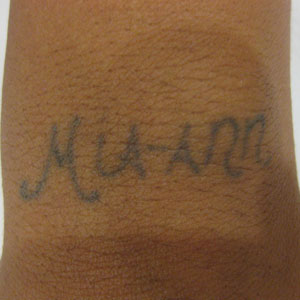

AGE OF TATTOO: 10 years old
STYLE: Professional
SIZE: 1.5 sq. inches, $119
NUMBER OF TREATMENTS: 2 treatments

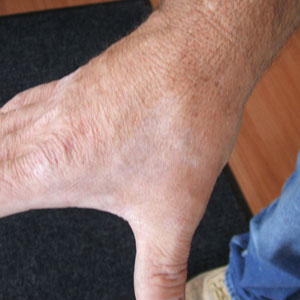
AGE OF TATTOO: 20 years old
STYLE: Amateur
SIZE: 1.5 sq. inches, $119
NUMBER OF TREATMENTS: 6 treatments


AGE OF TATTOO: 15 years old
STYLE: Amateur
SIZE: <1 sq inch, $49
NUMBER OF TREATMENTS: 3 treatments


AGE OF TATTOO: 8 years old
STYLE: Professional
SIZE: 3 sq. inches, $177
NUMBER OF TREATMENTS: 5 treatments


AGE OF TATTOO: 3 years old
STYLE: Professional
SIZE: 3 sq. inches, $177
NUMBER OF TREATMENTS: 4 treatments
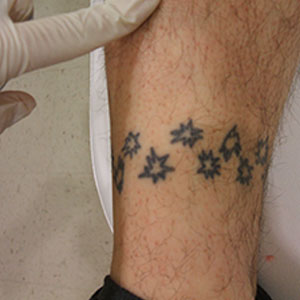

AGE OF TATTOO: 11 years old
STYLE: Professional
SIZE: 4 sq. inches, $216
NUMBER OF TREATMENTS: 9 treatments


AGE OF TATTOO: 10 years old
STYLE: Professional
SIZE: 9 sq. inches, $294
NUMBER OF TREATMENTS: 8 treatments