



Understanding Michigan’s motor vehicle laws can feel overwhelming. With various regulations governing everything from registration to insurance, it’s essential to stay informed. Whether you’re a new driver or a seasoned car owner, knowing the ins and outs of these laws can save you time and trouble. This guide breaks down key aspects of Michigan’s motor vehicle regulations, helping you manage the complexities with confidence.
Registering your vehicle in Michigan is a straightforward process, but certain requirements must be met. First, you need proof of ownership, like a title or bill of sale. Additionally, you’ll need to provide proof of insurance that meets Michigan’s minimum coverage requirements. This is important because driving without valid insurance can lead to significant penalties.
Once you’ve gathered the necessary documents, you can register your vehicle at your local Secretary of State (SOS) office. Be prepared to pay the registration fees, which vary based on your vehicle’s age and type. For those who prefer convenience, many services are available online, allowing you to skip the lines and register from home.
Michigan is known for its unique no-fault insurance system. Under this law, drivers are required to carry personal injury protection (PIP) coverage, which pays for medical expenses resulting from an accident, regardless of who is at fault. This system aims to reduce litigation and streamline claims processing.
However, it’s important to choose your coverage wisely. While the minimum PIP coverage is mandatory, many drivers opt for higher limits to ensure better protection. Additionally, Michigan’s recent changes to insurance laws have introduced more flexibility, allowing drivers to choose not to carry PIP if they have adequate health insurance.
Traffic violations in Michigan can have serious consequences. From speeding tickets to DUI charges, understanding the potential penalties is important. Most minor offenses result in fines and points on your driving record, but repeat offenses can lead to license suspension.
It’s beneficial to know your rights when dealing with traffic violations. You can often contest a ticket, especially if you believe it was issued unfairly. Exploring defensive driving courses can also help reduce points on your record, which may lower your insurance premiums.
Transferring a vehicle title in Michigan involves several steps. When buying or selling a vehicle, both parties must complete the title transfer process to ensure proper ownership. This includes filling out the title documentation and submitting it to the SOS.
Buyers should verify that the seller has the legal right to sell the vehicle and that there are no liens against it. This step helps avoid complications later on. If you’re unsure about the process, you can consult resources like Michigan automotive power of attorney example, which provides guidance on handling title transfers and other vehicle-related matters.
If you’re moving to Michigan from another state, you’ll need to familiarize yourself with the local laws. Residents have 30 days to register their vehicles after establishing residency. During this time, it’s important to obtain Michigan insurance and be prepared to provide necessary documentation, including your out-of-state title and proof of identity.
Out-of-state drivers should also understand Michigan’s unique PIP requirements, as they may differ significantly from their previous state. Ensuring you comply with these regulations will prevent any legal issues down the line.
Michigan mandates emissions testing for certain vehicles, particularly those registered in urban areas. These tests ensure that cars meet environmental standards and help reduce air pollution. If your vehicle fails the emissions test, you’ll need to make necessary repairs before it can be registered.
It’s wise to stay updated on your vehicle’s condition. Regular maintenance not only keeps your car running smoothly but also helps you pass inspections with ease. Ignoring minor issues can lead to more significant problems that may affect your vehicle’s emissions and safety.
Staying informed about Michigan’s motor vehicle laws is essential for all drivers. Whether it’s understanding registration requirements, insurance regulations, or the implications of traffic violations, knowledge is power. By familiarizing yourself with these laws, you can manage the complexities of vehicle ownership while ensuring your compliance with state regulations. Keep this guide handy and consult relevant resources to make informed decisions about your automotive needs.



Ryan graduated with a Bachelor of Science in Nursing (BSN) in 2011 from Wayne State University in Detroit, MI. Upon graduating he started working in the ICU at Detroit Receiving Hospital in the Burn Unit where he specialized in treating trauma patients along with being a wound care specialist. It was there that he gained tremendous knowledge of the skin and how to recognize and treat burns and other skin related trauma. He also graduated with a Bachelor in Business Administration (BBA) in 2001 from Western Michigan University in Kalamazoo, MI, where he majored in Integrated Supply Chain Management (ISM) and minored in mathematics.
Ryan has earned two official certificates from the State of Colorado; Certified Laser Tattoo Specialist and Laser Safety Officer.
Ryan holds a license from the State of Michigan as a Registered Nurse (RN).
Ryan grew up in Metro Detroit, and has two sons named Jonathan and Christian and a daughter named Kaia. He enjoys golf, wakeboarding, and wakesurfing in the summer and skiing and snowmobiling in the winter.
Ryan is involved with the SaveHaiti volunteer team and he completed a one week mission to Haiti in 2013. During his mission trip their group helped set up a free clinic for local Haitians, which also included an operating room designed to perform cataract surgeries. During his time there, they assisted the locals with general health screenings, administering eye exams in conjunction with passing out the appropriate prescription glasses, and performing cataract surgeries for those in need. He is also involved in the annual Children’s Christmas Workshop in Northville, MI where they teach kids how to make presents for their friends and family by hand using tools under adult supervision. Each year they select 7 different gifts for the kids to construct from scratch with traditional materials like wood, wire, sheet tin, etc., and using other recycled materials, they then gift wrap them so they can be given away as presents. It is a wonderful learning experience for all the kids involved.
Dr. Silveira received her medical degree from the State University of New York at Stony Brook and completed her residency in Primary Care Internal Medicine at the Oregon Health and Sciences University in Portland OR. She has been practicing general medicine since 1999. She has a special interest in general cosmetic dermatology. She enjoys art, theater, and jazz. Read more.

I would like more information on

Call now to schedule your Free Consultation! 734-629-5434


AGE OF TATTOO: 8 years old
STYLE: Professional
SIZE: 1 sq. inch, $99
NUMBER OF TREATMENTS: 4 treatments


AGE OF TATTOO: 14 years old
STYLE: Professional
SIZE: 1.5 sq. inches, $119
NUMBER OF TREATMENTS: 6 treatments


AGE OF TATTOO: 7 years old
STYLE: Professional
SIZE: 3 sq. inches, $177
NUMBER OF TREATMENTS: 6 treatments


AGE OF TATTOO: 6 years old
STYLE: Professional
SIZE: 5 sq. inches, $255
NUMBER OF TREATMENTS: 5 treatments

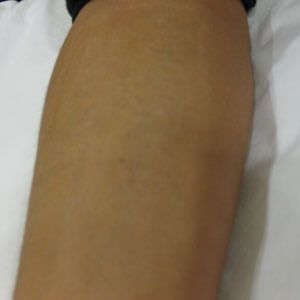
AGE OF TATTOO: 12 years old
STYLE: Amateur
SIZE: 7 sq. inches, $294
NUMBER OF TREATMENTS: 12 treatments

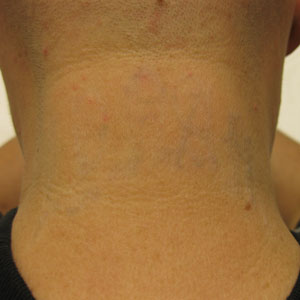
AGE OF TATTOO: 10 years old
STYLE: Professional
SIZE: 5 sq. inches, $255
NUMBER OF TREATMENTS: 10 treatments


AGE OF TATTOO: 10 years old
STYLE: Professional
SIZE: 5 sq. inches, $255
NUMBER OF TREATMENTS: 10 treatments


AGE OF TATTOO: 8 years old
STYLE: Professional
SIZE: 7 sq. inches, $294
NUMBER OF TREATMENTS: 10 treatments


AGE OF TATTOO: 5 years old
STYLE: Professional
SIZE: 4 sq. inches, $216
NUMBER OF TREATMENTS: 7 treatments


AGE OF TATTOO: 17 years old
STYLE: Professional
SIZE: 2 sq. inches, $138
NUMBER OF TREATMENTS: 4 treatments
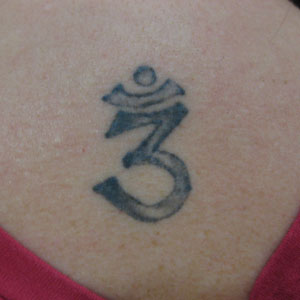
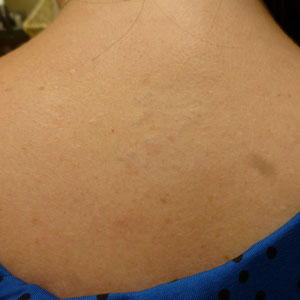
AGE OF TATTOO: 8 years old
STYLE: Professional
SIZE: 3 sq. inches, $177
NUMBER OF TREATMENTS: 5 treatments


AGE OF TATTOO: 9 years old
STYLE: Amateur
SIZE: 1 sq. inch, $99
NUMBER OF TREATMENTS: 6 treatments
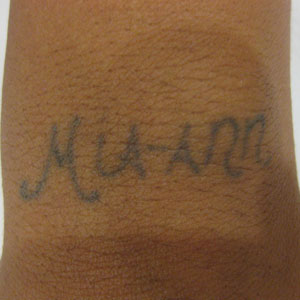
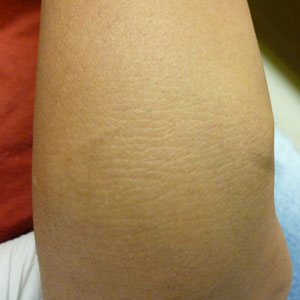
AGE OF TATTOO: 10 years old
STYLE: Professional
SIZE: 1.5 sq. inches, $119
NUMBER OF TREATMENTS: 2 treatments

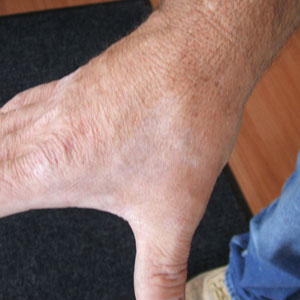
AGE OF TATTOO: 20 years old
STYLE: Amateur
SIZE: 1.5 sq. inches, $119
NUMBER OF TREATMENTS: 6 treatments
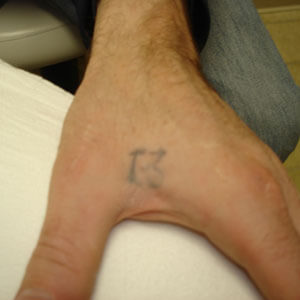

AGE OF TATTOO: 15 years old
STYLE: Amateur
SIZE: <1 sq inch, $49
NUMBER OF TREATMENTS: 3 treatments
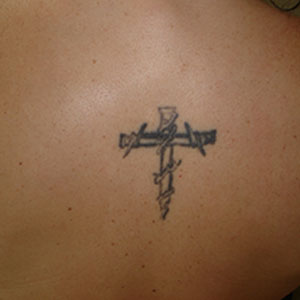
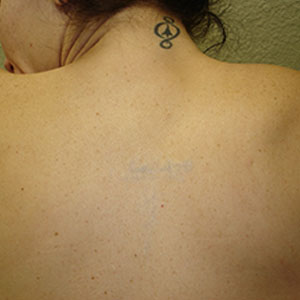
AGE OF TATTOO: 8 years old
STYLE: Professional
SIZE: 3 sq. inches, $177
NUMBER OF TREATMENTS: 5 treatments

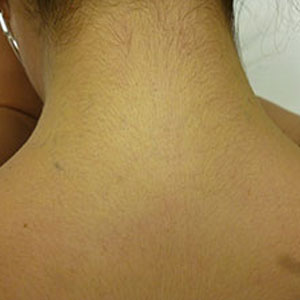
AGE OF TATTOO: 3 years old
STYLE: Professional
SIZE: 3 sq. inches, $177
NUMBER OF TREATMENTS: 4 treatments
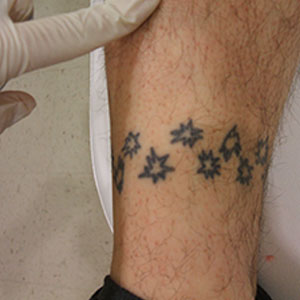
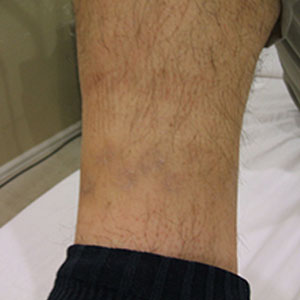
AGE OF TATTOO: 11 years old
STYLE: Professional
SIZE: 4 sq. inches, $216
NUMBER OF TREATMENTS: 9 treatments


AGE OF TATTOO: 10 years old
STYLE: Professional
SIZE: 9 sq. inches, $294
NUMBER OF TREATMENTS: 8 treatments