

In any business, managing risk is vital. One often-overlooked tool in this process is the hold harmless agreement. These legal contracts can provide a layer of protection against liabilities that may arise during business operations. Understanding how they work can be a game changer for your risk management strategy.
A hold harmless agreement is a legal contract where one party agrees not to hold the other party responsible for any damages or losses that may occur during a specific activity. This might sound technical, but it’s relatively straightforward. For instance, if you hire a contractor to renovate your office, a hold harmless agreement can protect you from liability if the contractor injures themselves on the job.
These agreements are common in various industries, including construction, real estate, and event planning. They serve as a proactive measure to safeguard against unexpected incidents. When properly crafted, they can clearly outline the responsibilities of each party, thereby minimizing disputes.
One of the key components of an effective hold harmless agreement is clarity. Ambiguities can lead to misunderstandings and potential legal battles. It’s essential that the language used is precise and unambiguous. For instance, the agreement should specify what types of liabilities are covered and under what circumstances.
Including clear definitions of terms within the agreement can also be beneficial. For example, defining “damages” and “liabilities” can help ensure that both parties have a mutual understanding of what is at stake.
Hold harmless agreements can generally be divided into two categories: broad and limited. Understanding the difference can help you select the right one for your needs.
Choosing the right type depends on the nature of the activity involved and the level of risk you’re willing to accept.
Consider a scenario involving a local festival. The event organizers may require vendors to sign a hold harmless agreement. This ensures that if a vendor’s setup causes injury to a festival-goer, the organizers aren’t held liable. Such arrangements not only protect the organizers but also encourage vendors to participate without fear of excessive risks.
Similarly, in the construction industry, subcontractors often sign these agreements to protect general contractors from liabilities arising from their work. This practice is prevalent because it establishes a clear line of responsibility and helps mitigate risks associated with construction projects.
While hold harmless agreements can be beneficial, they aren’t a one-size-fits-all solution. It’s important to ensure that these agreements comply with local laws. For instance, some states have specific regulations regarding the enforceability of hold harmless clauses, particularly in construction contracts.
Consulting legal professionals familiar with local regulations is advisable before using these agreements. They can help tailor the document to your specific needs and ensure it meets all legal standards. For those in Illinois, resources like https://holdharmless-agreement.com/illinois-hold-harmless-agreement/ can be particularly useful in crafting compliant agreements.
Many people misunderstand the scope and purpose of hold harmless agreements. One common misconception is that they absolve a party of all responsibility. This isn’t always the case. Courts sometimes limit the enforceability of these agreements, especially if they appear overly broad or if they violate public policy.
Another misconception is that these agreements eliminate the need for insurance. While they provide an added layer of protection, they do not replace the need for thorough insurance coverage. Businesses should still maintain appropriate insurance policies to manage potential liabilities effectively.
When creating a hold harmless agreement, keep these best practices in mind:
By following these practices, you’ll be better positioned to protect your interests and manage risks effectively.


Ryan graduated with a Bachelor of Science in Nursing (BSN) in 2011 from Wayne State University in Detroit, MI. Upon graduating he started working in the ICU at Detroit Receiving Hospital in the Burn Unit where he specialized in treating trauma patients along with being a wound care specialist. It was there that he gained tremendous knowledge of the skin and how to recognize and treat burns and other skin related trauma. He also graduated with a Bachelor in Business Administration (BBA) in 2001 from Western Michigan University in Kalamazoo, MI, where he majored in Integrated Supply Chain Management (ISM) and minored in mathematics.
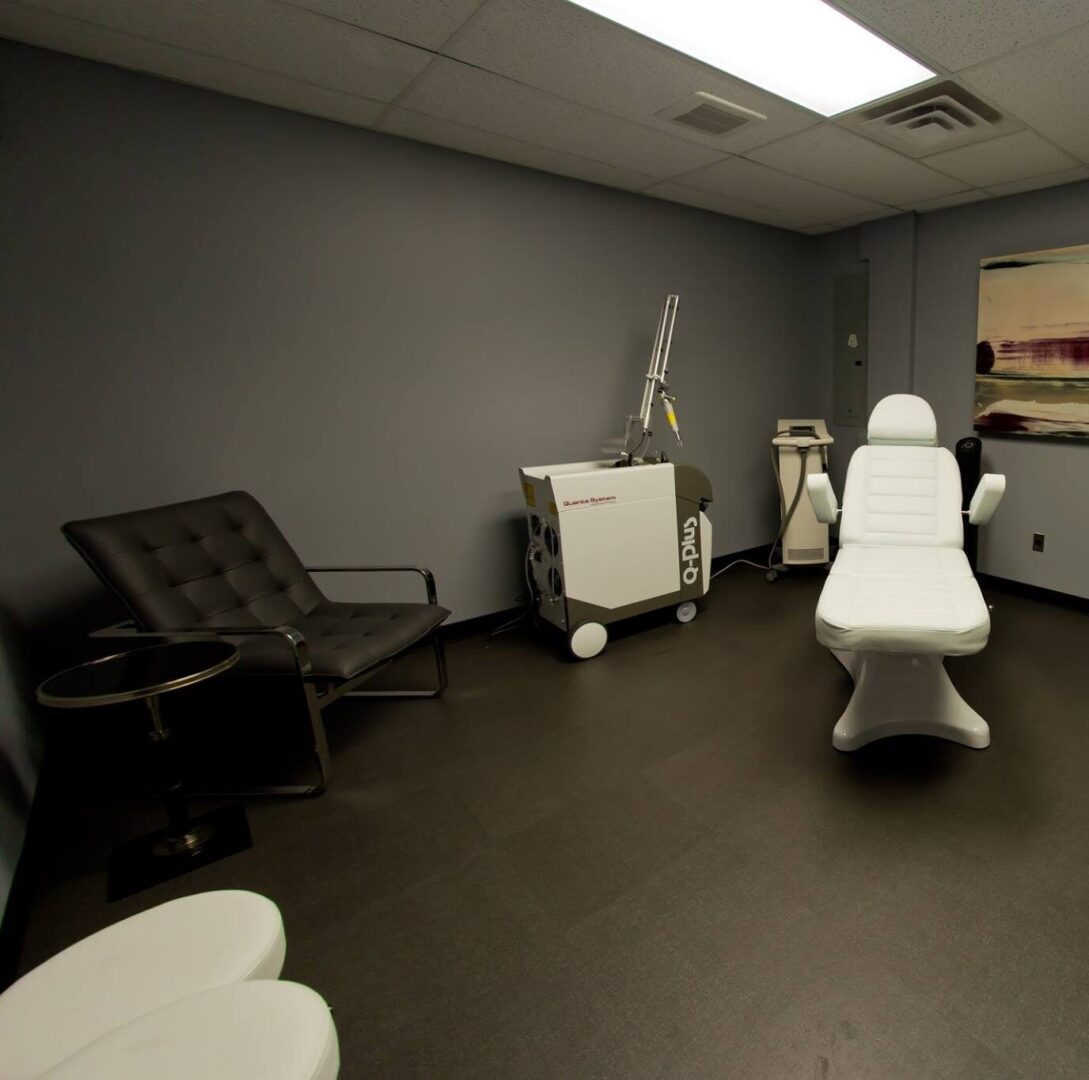
Ryan has earned two official certificates from the State of Colorado; Certified Laser Tattoo Specialist and Laser Safety Officer.
Ryan holds a license from the State of Michigan as a Registered Nurse (RN).
Ryan grew up in Metro Detroit, and has two sons named Jonathan and Christian and a daughter named Kaia. He enjoys golf, wakeboarding, and wakesurfing in the summer and skiing and snowmobiling in the winter.
Ryan is involved with the SaveHaiti volunteer team and he completed a one week mission to Haiti in 2013. During his mission trip their group helped set up a free clinic for local Haitians, which also included an operating room designed to perform cataract surgeries. During his time there, they assisted the locals with general health screenings, administering eye exams in conjunction with passing out the appropriate prescription glasses, and performing cataract surgeries for those in need. He is also involved in the annual Children’s Christmas Workshop in Northville, MI where they teach kids how to make presents for their friends and family by hand using tools under adult supervision. Each year they select 7 different gifts for the kids to construct from scratch with traditional materials like wood, wire, sheet tin, etc., and using other recycled materials, they then gift wrap them so they can be given away as presents. It is a wonderful learning experience for all the kids involved.
Dr. Silveira received her medical degree from the State University of New York at Stony Brook and completed her residency in Primary Care Internal Medicine at the Oregon Health and Sciences University in Portland OR. She has been practicing general medicine since 1999. She has a special interest in general cosmetic dermatology. She enjoys art, theater, and jazz. Read more.
I would like more information on
Call now to schedule your Free Consultation! 734-629-5434
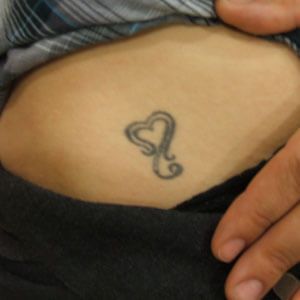
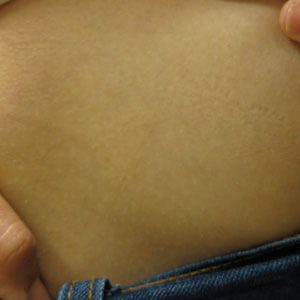
AGE OF TATTOO: 8 years old
STYLE: Professional
SIZE: 1 sq. inch, $99
NUMBER OF TREATMENTS: 4 treatments
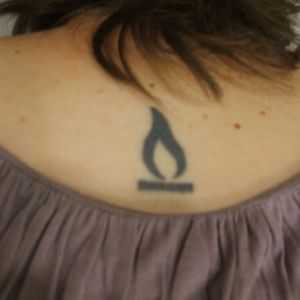
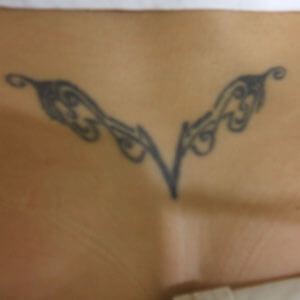
AGE OF TATTOO: 14 years old
STYLE: Professional
SIZE: 1.5 sq. inches, $119
NUMBER OF TREATMENTS: 6 treatments

AGE OF TATTOO: 7 years old
STYLE: Professional
SIZE: 3 sq. inches, $177
NUMBER OF TREATMENTS: 6 treatments
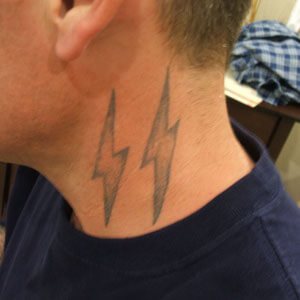
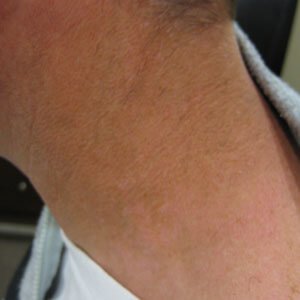
AGE OF TATTOO: 6 years old
STYLE: Professional
SIZE: 5 sq. inches, $255
NUMBER OF TREATMENTS: 5 treatments
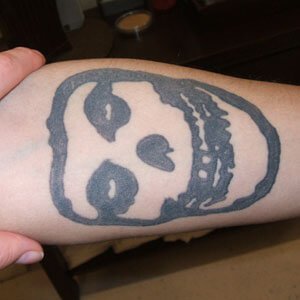
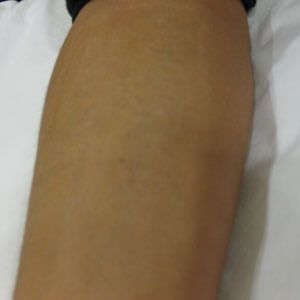
AGE OF TATTOO: 12 years old
STYLE: Amateur
SIZE: 7 sq. inches, $294
NUMBER OF TREATMENTS: 12 treatments
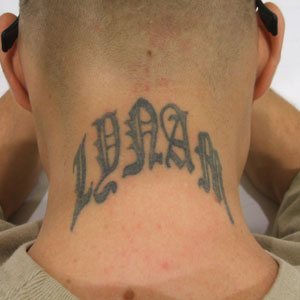
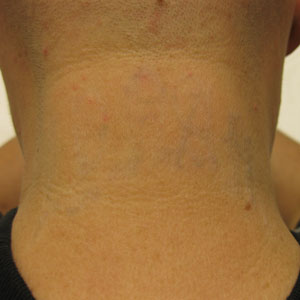
AGE OF TATTOO: 10 years old
STYLE: Professional
SIZE: 5 sq. inches, $255
NUMBER OF TREATMENTS: 10 treatments
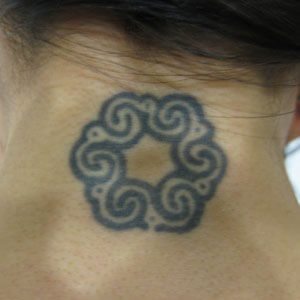
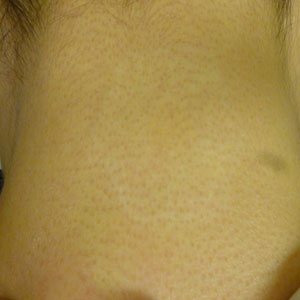
AGE OF TATTOO: 10 years old
STYLE: Professional
SIZE: 5 sq. inches, $255
NUMBER OF TREATMENTS: 10 treatments

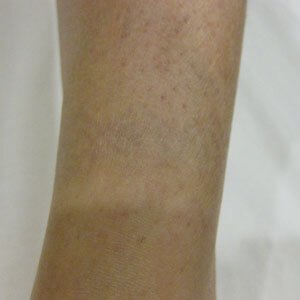
AGE OF TATTOO: 8 years old
STYLE: Professional
SIZE: 7 sq. inches, $294
NUMBER OF TREATMENTS: 10 treatments
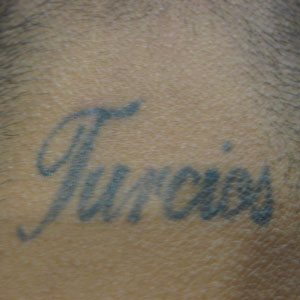

AGE OF TATTOO: 5 years old
STYLE: Professional
SIZE: 4 sq. inches, $216
NUMBER OF TREATMENTS: 7 treatments
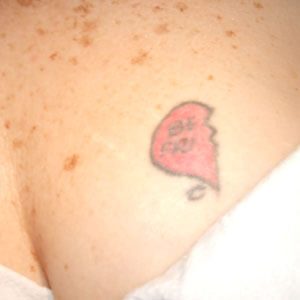
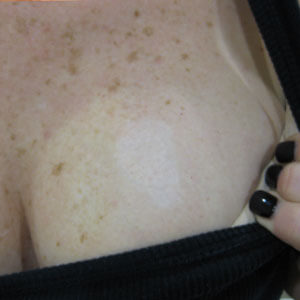
AGE OF TATTOO: 17 years old
STYLE: Professional
SIZE: 2 sq. inches, $138
NUMBER OF TREATMENTS: 4 treatments
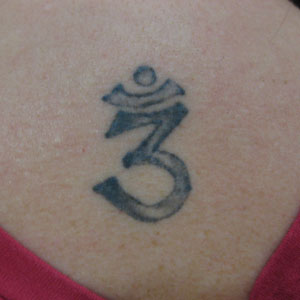
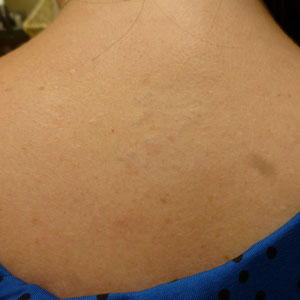
AGE OF TATTOO: 8 years old
STYLE: Professional
SIZE: 3 sq. inches, $177
NUMBER OF TREATMENTS: 5 treatments
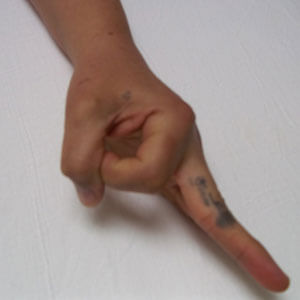
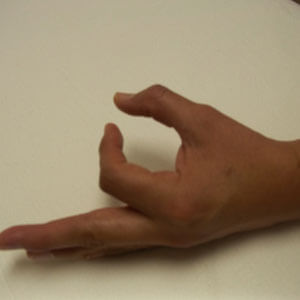
AGE OF TATTOO: 9 years old
STYLE: Amateur
SIZE: 1 sq. inch, $99
NUMBER OF TREATMENTS: 6 treatments
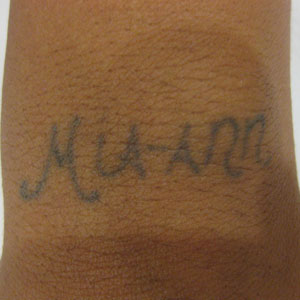
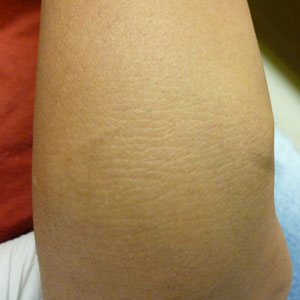
AGE OF TATTOO: 10 years old
STYLE: Professional
SIZE: 1.5 sq. inches, $119
NUMBER OF TREATMENTS: 2 treatments
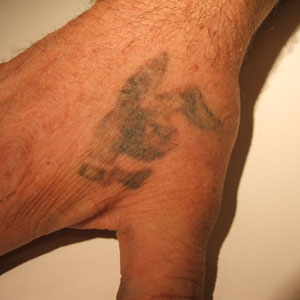
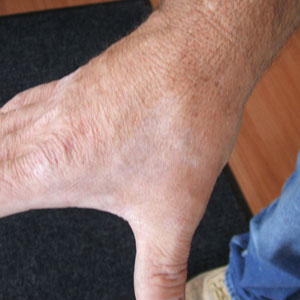
AGE OF TATTOO: 20 years old
STYLE: Amateur
SIZE: 1.5 sq. inches, $119
NUMBER OF TREATMENTS: 6 treatments
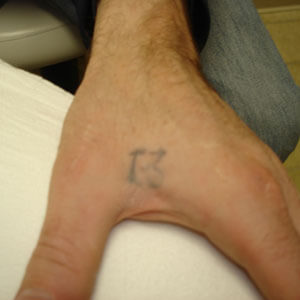
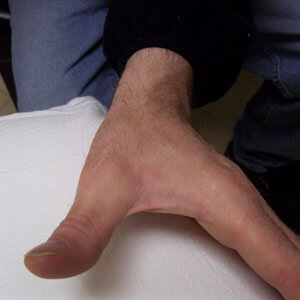
AGE OF TATTOO: 15 years old
STYLE: Amateur
SIZE: <1 sq inch, $49
NUMBER OF TREATMENTS: 3 treatments
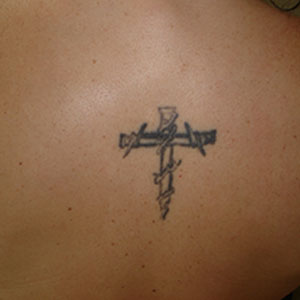
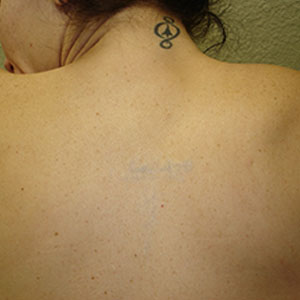
AGE OF TATTOO: 8 years old
STYLE: Professional
SIZE: 3 sq. inches, $177
NUMBER OF TREATMENTS: 5 treatments
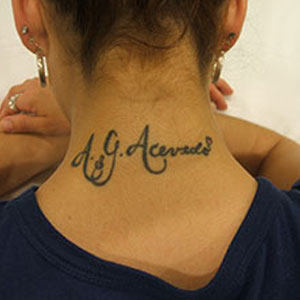
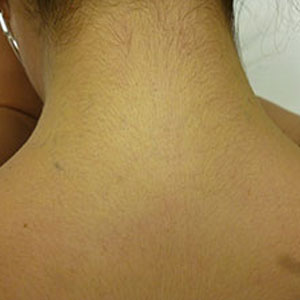
AGE OF TATTOO: 3 years old
STYLE: Professional
SIZE: 3 sq. inches, $177
NUMBER OF TREATMENTS: 4 treatments
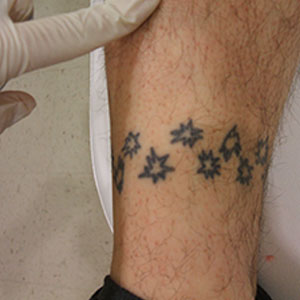
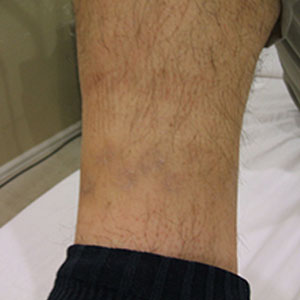
AGE OF TATTOO: 11 years old
STYLE: Professional
SIZE: 4 sq. inches, $216
NUMBER OF TREATMENTS: 9 treatments
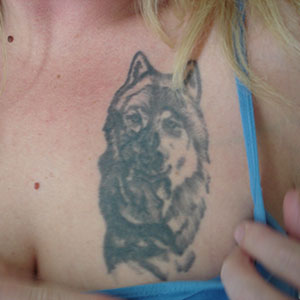
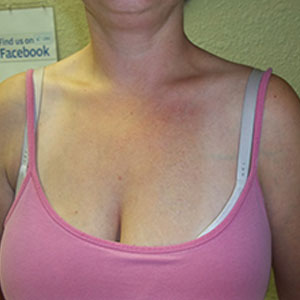
AGE OF TATTOO: 10 years old
STYLE: Professional
SIZE: 9 sq. inches, $294
NUMBER OF TREATMENTS: 8 treatments