


When people hear the word “prenup,” it often conjures images of affluent couples preparing for a divorce before they even say “I do.” However, this common misconception overlooks the practical benefits that prenuptial agreements can offer all kinds of couples, regardless of their financial status. In reality, prenups are becoming increasingly common as more people recognize their value in planning for the future.
Modern relationships are complex. Couples today often bring varying financial backgrounds, assets, and debts into a marriage. With a surge in second marriages, blended families, and varying career paths, it’s no wonder that couples are looking for ways to protect their interests. Prenuptial agreements provide a framework to address these complexities proactively.
A prenuptial agreement is a legal document created before marriage that outlines how assets and debts will be divided in the event of a divorce. It can also address other issues, such as spousal support. While some may view prenups as a sign of mistrust, they can actually serve as a tool for open communication. Discussing financial expectations and responsibilities can strengthen a relationship.
Many people believe that prenups are only for the wealthy or that they signal an impending divorce. This couldn’t be further from the truth. Prenups can benefit couples from all walks of life. Here are a few misconceptions worth addressing:
The increasing popularity of prenups can be attributed to several factors. For one, there’s a growing awareness of financial literacy among younger generations. Many people are more educated about money management and want to protect their interests. Additionally, the rise of cohabitation before marriage has prompted couples to think about asset protection more seriously.
As more couples delay marriage to focus on their careers, they often accumulate assets independently. This shift has created a need for clear guidelines on how these assets will be handled in a marriage. Prenups can delineate what is considered marital property versus separate property, which can prevent disputes later on.
Creating a valid prenuptial agreement isn’t just about drafting a document; it requires adherence to specific legal requirements. Here are some key elements to consider:
Many people may not realize that prenuptial agreements are not the only option. Postnuptial agreements can be created after marriage and serve a similar purpose. However, there are key differences. Prenups are drafted before the marriage, while postnups are created during the marriage, often in response to changing circumstances.
For example, if a couple experiences significant changes in their financial situation or if one partner starts a new business, a postnuptial agreement can provide clarity and protection. Both types of agreements can be valuable, depending on the couple’s needs.
Bringing up the topic of a prenup can be daunting. Here are some tips for having that conversation:
By presenting the conversation as a way to enhance understanding and build a solid foundation for the marriage, you can mitigate potential resistance.
For couples considering a prenup, resources are available to help guide the process. For instance, by templates-online, you can find templates that can simplify the creation of legal documents, including agreements related to marriage.
As more couples recognize the value of prenups, it’s clear that these agreements are becoming a standard part of relationship planning. They can provide peace of mind and clarity, allowing couples to focus on what truly matters—their relationship.


Ryan graduated with a Bachelor of Science in Nursing (BSN) in 2011 from Wayne State University in Detroit, MI. Upon graduating he started working in the ICU at Detroit Receiving Hospital in the Burn Unit where he specialized in treating trauma patients along with being a wound care specialist. It was there that he gained tremendous knowledge of the skin and how to recognize and treat burns and other skin related trauma. He also graduated with a Bachelor in Business Administration (BBA) in 2001 from Western Michigan University in Kalamazoo, MI, where he majored in Integrated Supply Chain Management (ISM) and minored in mathematics.
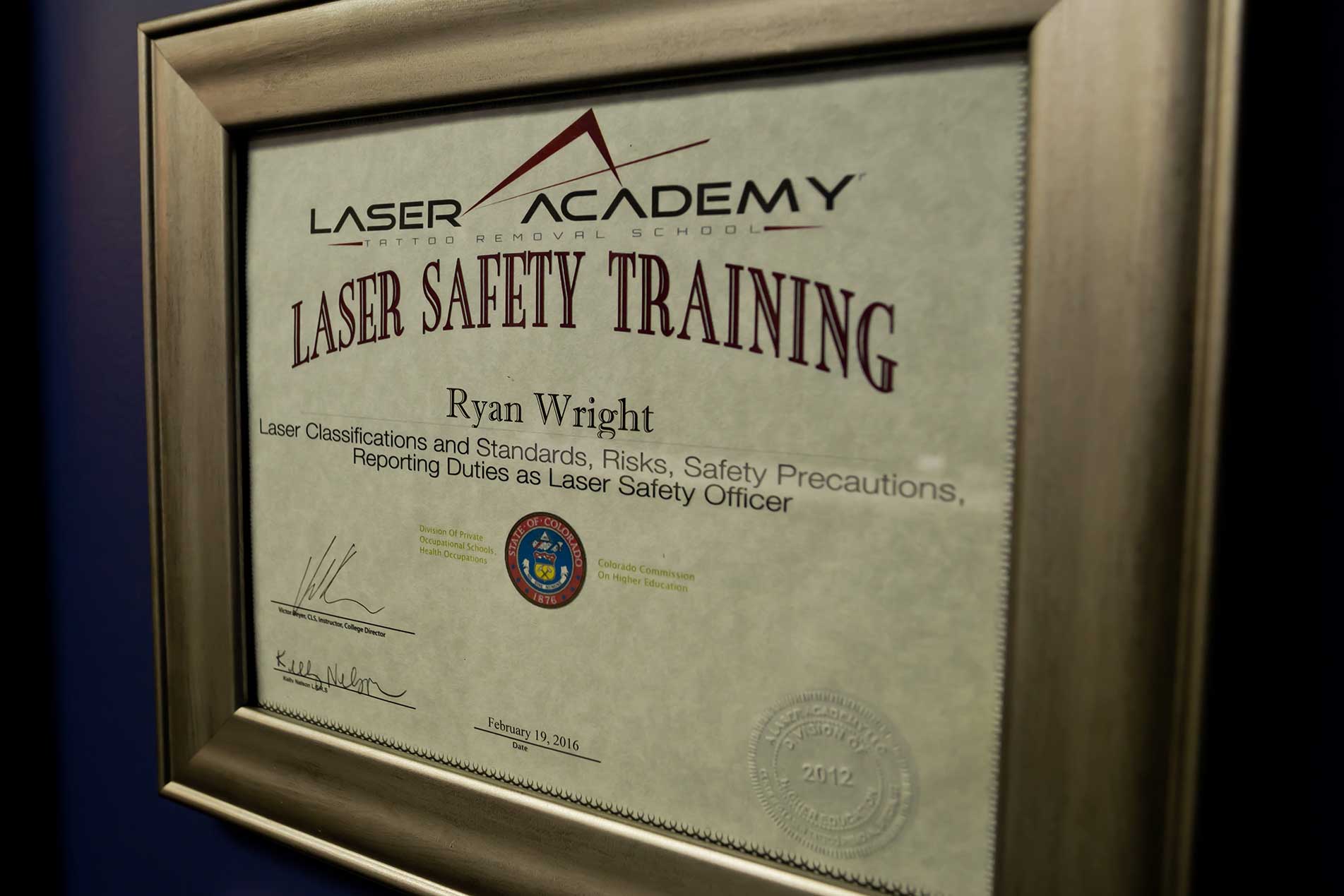
Ryan has earned two official certificates from the State of Colorado; Certified Laser Tattoo Specialist and Laser Safety Officer.
Ryan holds a license from the State of Michigan as a Registered Nurse (RN).
Ryan grew up in Metro Detroit, and has two sons named Jonathan and Christian and a daughter named Kaia. He enjoys golf, wakeboarding, and wakesurfing in the summer and skiing and snowmobiling in the winter.
Ryan is involved with the SaveHaiti volunteer team and he completed a one week mission to Haiti in 2013. During his mission trip their group helped set up a free clinic for local Haitians, which also included an operating room designed to perform cataract surgeries. During his time there, they assisted the locals with general health screenings, administering eye exams in conjunction with passing out the appropriate prescription glasses, and performing cataract surgeries for those in need. He is also involved in the annual Children’s Christmas Workshop in Northville, MI where they teach kids how to make presents for their friends and family by hand using tools under adult supervision. Each year they select 7 different gifts for the kids to construct from scratch with traditional materials like wood, wire, sheet tin, etc., and using other recycled materials, they then gift wrap them so they can be given away as presents. It is a wonderful learning experience for all the kids involved.
Dr. Silveira received her medical degree from the State University of New York at Stony Brook and completed her residency in Primary Care Internal Medicine at the Oregon Health and Sciences University in Portland OR. She has been practicing general medicine since 1999. She has a special interest in general cosmetic dermatology. She enjoys art, theater, and jazz. Read more.
I would like more information on
Call now to schedule your Free Consultation! 734-629-5434
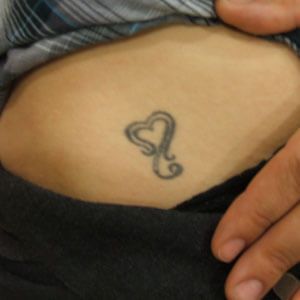
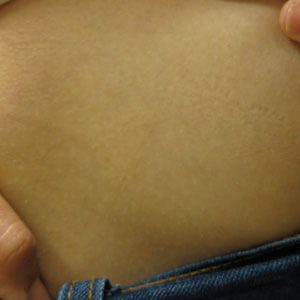
AGE OF TATTOO: 8 years old
STYLE: Professional
SIZE: 1 sq. inch, $99
NUMBER OF TREATMENTS: 4 treatments
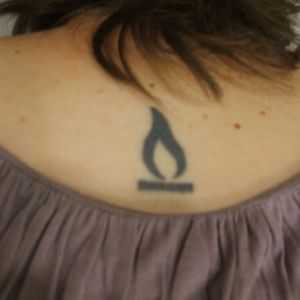
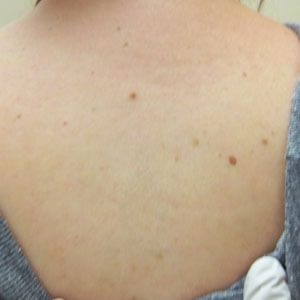
AGE OF TATTOO: 14 years old
STYLE: Professional
SIZE: 1.5 sq. inches, $119
NUMBER OF TREATMENTS: 6 treatments
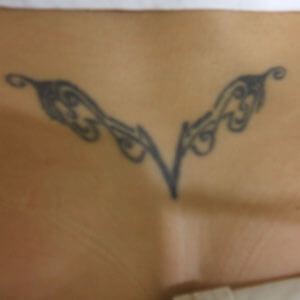

AGE OF TATTOO: 7 years old
STYLE: Professional
SIZE: 3 sq. inches, $177
NUMBER OF TREATMENTS: 6 treatments
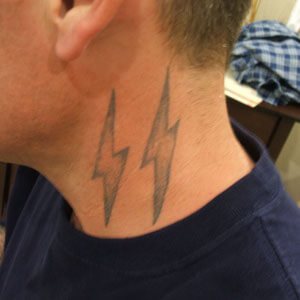
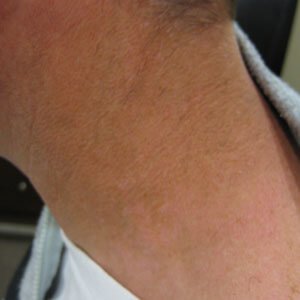
AGE OF TATTOO: 6 years old
STYLE: Professional
SIZE: 5 sq. inches, $255
NUMBER OF TREATMENTS: 5 treatments
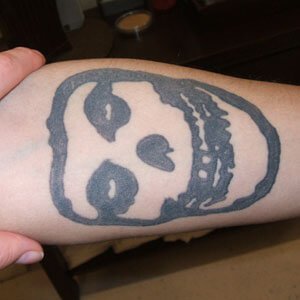
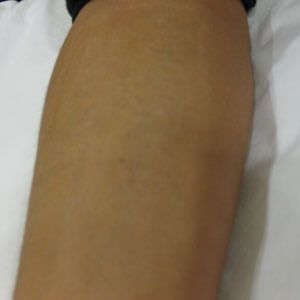
AGE OF TATTOO: 12 years old
STYLE: Amateur
SIZE: 7 sq. inches, $294
NUMBER OF TREATMENTS: 12 treatments
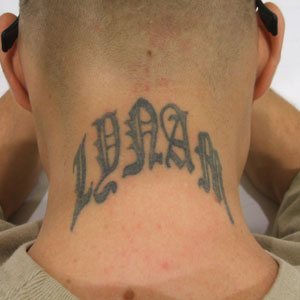
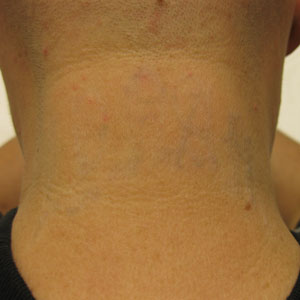
AGE OF TATTOO: 10 years old
STYLE: Professional
SIZE: 5 sq. inches, $255
NUMBER OF TREATMENTS: 10 treatments
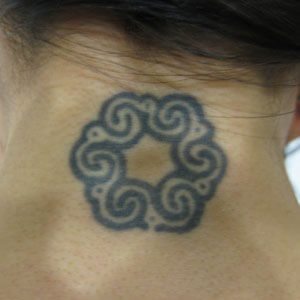
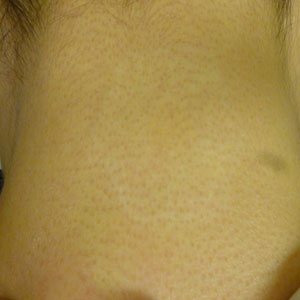
AGE OF TATTOO: 10 years old
STYLE: Professional
SIZE: 5 sq. inches, $255
NUMBER OF TREATMENTS: 10 treatments

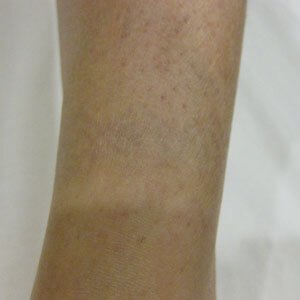
AGE OF TATTOO: 8 years old
STYLE: Professional
SIZE: 7 sq. inches, $294
NUMBER OF TREATMENTS: 10 treatments
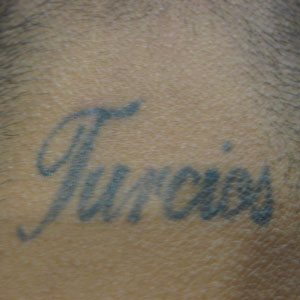

AGE OF TATTOO: 5 years old
STYLE: Professional
SIZE: 4 sq. inches, $216
NUMBER OF TREATMENTS: 7 treatments
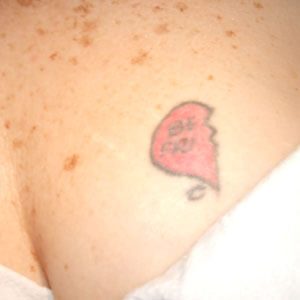
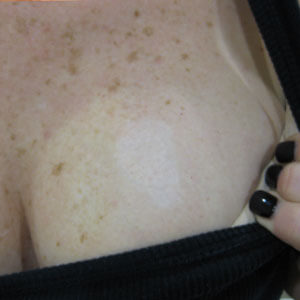
AGE OF TATTOO: 17 years old
STYLE: Professional
SIZE: 2 sq. inches, $138
NUMBER OF TREATMENTS: 4 treatments
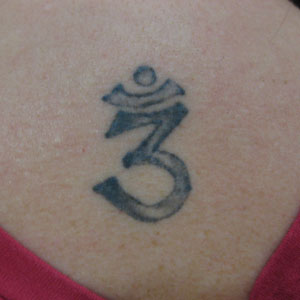
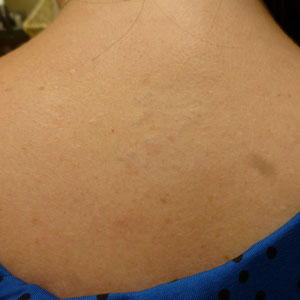
AGE OF TATTOO: 8 years old
STYLE: Professional
SIZE: 3 sq. inches, $177
NUMBER OF TREATMENTS: 5 treatments

AGE OF TATTOO: 9 years old
STYLE: Amateur
SIZE: 1 sq. inch, $99
NUMBER OF TREATMENTS: 6 treatments
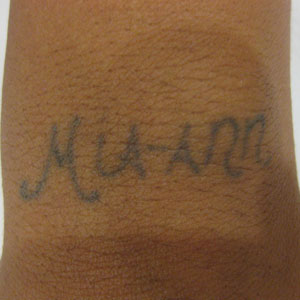
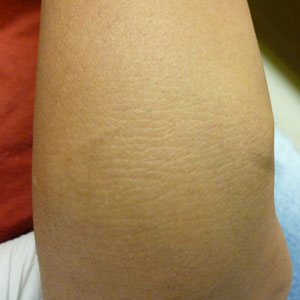
AGE OF TATTOO: 10 years old
STYLE: Professional
SIZE: 1.5 sq. inches, $119
NUMBER OF TREATMENTS: 2 treatments
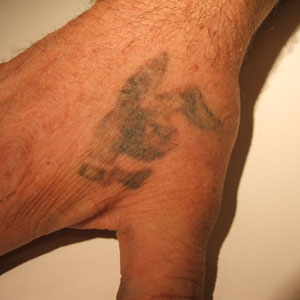
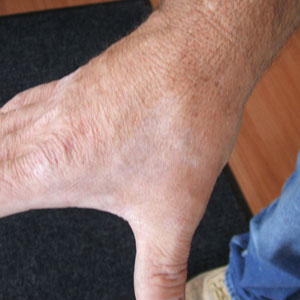
AGE OF TATTOO: 20 years old
STYLE: Amateur
SIZE: 1.5 sq. inches, $119
NUMBER OF TREATMENTS: 6 treatments
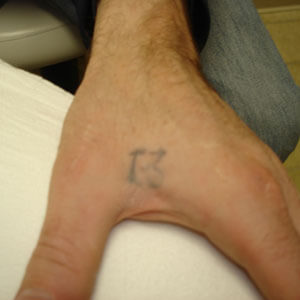
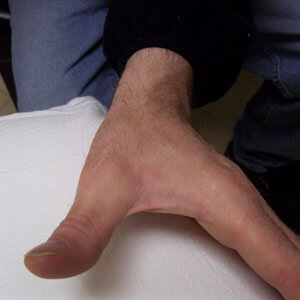
AGE OF TATTOO: 15 years old
STYLE: Amateur
SIZE: <1 sq inch, $49
NUMBER OF TREATMENTS: 3 treatments
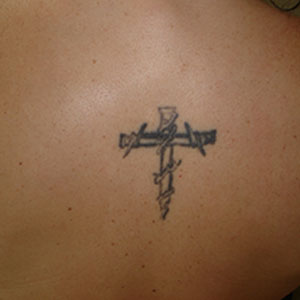
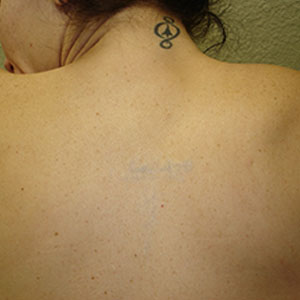
AGE OF TATTOO: 8 years old
STYLE: Professional
SIZE: 3 sq. inches, $177
NUMBER OF TREATMENTS: 5 treatments
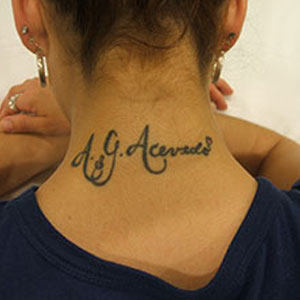
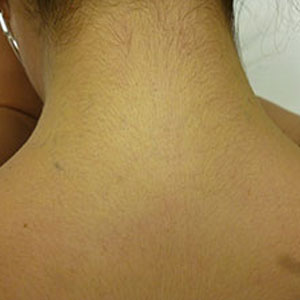
AGE OF TATTOO: 3 years old
STYLE: Professional
SIZE: 3 sq. inches, $177
NUMBER OF TREATMENTS: 4 treatments
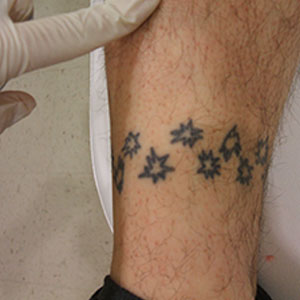
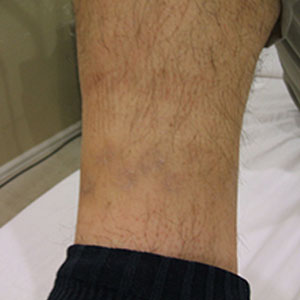
AGE OF TATTOO: 11 years old
STYLE: Professional
SIZE: 4 sq. inches, $216
NUMBER OF TREATMENTS: 9 treatments
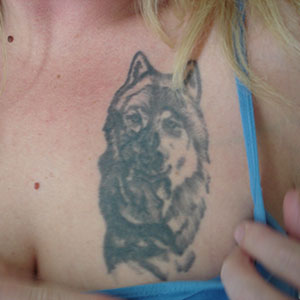
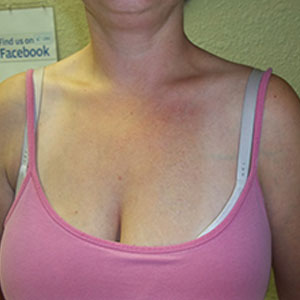
AGE OF TATTOO: 10 years old
STYLE: Professional
SIZE: 9 sq. inches, $294
NUMBER OF TREATMENTS: 8 treatments