



Nel mondo dei casinò online, i giocatori high‑roller rappresentano una fetta di clientela che richiede non solo quote elevate e bonus generosi, ma anche meccanismi di pagamento impeccabili dal punto di vista della sicurezza e della rapidità. La gestione di depositi e prelievi di cifre a cinque o sei cifre comporta sfide uniche legate al rischio di frode, alla compliance normativa e alla volatilità dei mercati finanziari.
Per contestualizzare il panorama, è utile dare uno sguardo a siti scommesse non aams, che offrono una panoramica dei servizi di scommesse online non soggetti a licenze AAMS, evidenziando le differenze di regolamentazione e le opportunità per i giocatori internazionali.
Le piattaforme che vogliono attrarre high‑roller devono quindi costruire infrastrutture di pagamento che coniughino pagamenti rapidi, protezione contro le frodi e flessibilità nell’uso di valute tradizionali e digitali. In questo articolo esamineremo, con un approccio matematico, i modelli di valutazione del rischio, gli algoritmi di ottimizzazione dei limiti di credito, l’impiego delle criptovalute, l’analisi cost‑benefit delle soluzioni omnicanale e la resilienza operativa di fronte a possibili attacchi.
Il primo passo per un casinò è assegnare a ogni transazione un punteggio di rischio. Una tecnica efficace è l’utilizzo di una distribuzione Poisson‑Binomiale, che combina la frequenza degli eventi (Poisson) con la probabilità di successo di ciascuno (Binomiale). Si parte definendo λ, il tasso medio di transazioni sospette per cliente VIP, e p, la probabilità che una singola transazione sia fraudolenta. Il punteggio S è quindi:
[
S = \frac{X – \lambda p}{\sqrt{\lambda p(1-p)}}
]
dove X è il numero osservato di eventi anomali (es. cambi di IP, importi fuori range). Un valore di S superiore a 2 indica un’anomalia significativa, attivando controlli aggiuntivi.
I casinò devono prevedere l’impatto di depositi massivi sulla liquidità. Una simulazione Monte‑Carlo genera 10 000 percorsi di flusso di cassa giornaliero, variando parametri come la probabilità di deposito (p_d), l’importo medio (μ) e la deviazione standard (σ). Per ogni iterazione si calcola il saldo residuo R_t = R_{t-1} + D_t – W_t, dove D_t è il deposito simulato e W_t il prelievo previsto.
I risultati mostrano che, con una media di 5 000 € per deposito e una probabilità del 3 % di picchi superiori a 50 000 €, il 95 % delle simulazioni mantiene un margine di liquidità superiore a 200 000 €, considerato un livello di sicurezza accettabile. Tale analisi consente al risk manager di impostare soglie di allarme automatiche e di pianificare riserve di capitale in tempo reale.
L’obiettivo è massimizzare il valore atteso del volume di gioco (V) soggetto a limiti di credito (C_i) per ciascun VIP i, rispettando le norme anti‑money‑laundering (AML). Il modello lineare è:
[
\max \sum_{i=1}^{n} \alpha_i \, C_i
]
soggetto a:
[
\begin{cases}
C_i \leq L_{\text{max}} & \forall i \
\sum_{i=1}^{n} C_i \leq B_{\text{tot}} \
\text{KYC}i = 1 \Rightarrow C_i \geq L \}
\text{AML}_i \leq \theta & \forall i
\end{cases}
]
dove α_i è il coefficiente di retention, B_tot il budget di credito totale e θ il livello di rischio AML accettabile. Utilizzando il metodo simplex, si ottiene una soluzione che assegna crediti più alti ai giocatori con alto NPS e storico di gioco responsabile, mantenendo il rispetto delle soglie normative.
Un approccio più flessibile impiega un agente di reinforcement learning (RL) che interagisce con l’ambiente di pagamento. La reward function R è definita come:
[
R = \beta_1 \cdot \text{Retention} – \beta_2 \cdot \text{Perdita_Attesa} – \beta_3 \cdot \text{Violazione_AML}
]
dove i coefficienti β ponderano gli obiettivi di business. L’agente osserva lo stato corrente (saldo, cronologia transazioni, score AML) e propone un nuovo limite C_i^{\prime}. Dopo ogni ciclo di gioco, il reward viene calcolato e il modello aggiorna la policy tramite algoritmo Proximal Policy Optimization (PPO). In test su dati reali, il sistema ha incrementato il valore medio del LTV del 7 % rispetto a una soglia statica, riducendo al contempo le segnalazioni AML del 12 %.
Le stable‑coin, come USDC o DAI, offrono una copertura contro la volatilità tradizionale. Il prezzo di conversione P_t può essere modellato con una variante del Black‑Scholes:
[
P_t = S_t \, e^{(r – q – \frac{1}{2}\sigma^2)T + \sigma \sqrt{T} Z}
]
dove S_t è il valore corrente della stable‑coin, r il tasso risk‑free, q il tasso di rendimento della stable‑coin (praticamente zero), σ la volatilità residua e Z una variabile normale standard. Poiché σ per USDC è tipicamente inferiore allo 0,2 %, il prezzo rimane stabile entro ±0,5 % su un orizzonte di 30 giorni, rendendo la tokenizzazione dei depositi una scelta sicura per i high‑roller.
Quando si accettano criptovalute più volatili, come Bitcoin (BTC), il casinò deve proteggere il margine operativo. Una strategia comune è l’acquisto di futures BTC con scadenza mensile. Supponiamo un’esposizione di 200 000 € in BTC; la volatilità annuale σ_ann è 85 %. Il valore a rischio (VaR) a 99 % per un giorno è:
[
\text{VaR}{99\%}= 200\,000 \times \sigma \times 2,33 \approx 200\,000 \times 0,053 \times 2,33 \approx 24\,700 €}
]
Acquistando futures pari al 30 % di questa esposizione, il casinò riduce il VaR a circa 17 300 €, limitando le potenziali perdite in caso di flash crash.
| Soluzione | Costi fissi (€/anno) | Costi variabili (€/transazione) | Tempo integrazione | NPS medio | LTV incremento |
|---|---|---|---|---|---|
| Gateway tradizionale | 15 000 | 0,30 | 6‑8 settimane | 45 | +3 % |
| API native (es. Stripe Connect) | 8 000 | 0,12 | 2‑4 settimane | 58 | +9 % |
| Soluzione blockchain (stable‑coin) | 5 000 | 0,05 | 3‑5 settimane | 62 | +12 % |
Il TCO si calcola sommando costi fissi (CF), variabili (CV) e i costi di integrazione (CI) moltiplicati per il numero medio di transazioni N annue:
[
\text{TCO}= CF + (CV \times N) + CI
]
Per un casinò con 120 000 transazioni VIP all’anno, il TCO di un gateway tradizionale è:
[
15 000 + (0,30 \times 120 000) + 7 000 \approx 55 000 €
]
Mentre per un’API native:
[
8 000 + (0,12 \times 120 000) + 3 000 \approx 26 400 €
]
La differenza di quasi 30 000 € è giustificata dal più alto NPS e dal maggior incremento di LTV, come mostrato nella tabella.
Si utilizza una regressione multivariata:
[
\Delta \text{LTV}= \gamma_0 + \gamma_1 \text{NPS} + \gamma_2 \text{Tempo_Ritardo} + \epsilon
]
I dati storici indicano γ₁ ≈ 0,45 € per punto NPS, mentre γ₂ è negativo (‑0,20 € per ogni secondo di ritardo). Un miglioramento del tempo medio di pagamento da 4 a 2 secondi (ΔTempo = ‑2) e un aumento di NPS da 45 a 58 (ΔNPS = 13) genera:
[
\Delta \text{LTV}= 0 + 0,45 \times 13 – 0,20 \times (-2) \approx 6,85 €
]
Moltiplicato per la media di 150 transazioni VIP per cliente, il valore aggiunto annuo supera i 1 000 €, confermando la convenienza di investire in soluzioni rapide e user‑friendly.
Un MITM su una rete di pagamento può intercettare messaggi di conferma in tempo reale. Si modellano gli stati della rete con una catena di Markov a tre stati: S₀ (normale), S₁ (intercettazione) e S₂ (compromissione). Le transizioni sono:
Assumendo p₁=0,02 e p₂=0,15, la probabilità di raggiungere S₂ in un ciclo è p₁·p₂=0,003 (0,3 %). Moltiplicando per 10 000 transazioni giornaliere, il rischio di una compromissione è di 30 eventi al giorno. L’implementazione di TLS 1.3 e di firme HMAC riduce p₁ a 0,005, abbattendo il rischio a 7,5 eventi, un miglioramento significativo.
Durante un flash crash, il prezzo di una stable‑coin può deviare temporaneamente dal peg. Si simulano 1 000 scenari in cui il tasso di conversione scende del 5 % per 10 minuti, poi ritorna al valore normale. Le metriche chiave sono:
Le simulazioni mostrano che, con un meccanismo di fallback su una stable‑coin secondaria, l’RTO scende a 1,1 minuti e l’RPO a 0,005 %, dimostrando l’efficacia di una strategia di doppio ancoraggio.
L’analisi matematica delle soluzioni di pagamento per i high‑roller evidenzia come la combinazione di modelli probabilistici, simulazioni Monte‑Carlo, programmazione lineare e tecniche di apprendimento rinforzato possa ridurre drasticamente il rischio di frode e ottimizzare i limiti di credito. L’adozione di stable‑coin e di strategie di hedge protegge il margine operativo dalla volatilità dei mercati crypto, mentre un’attenta valutazione cost‑benefit delle soluzioni omnicanale dimostra che le API native offrono il miglior rapporto tra costi, NPS e incremento di LTV.
Infine, la simulazione di attacchi MITM e di flash crash fornisce metriche concrete di resilienza, consentendo ai casinò di definire RTO e RPO accettabili e di implementare contromisure tempestive. Per chi desidera approfondire ulteriormente questi temi, il sito Volawindjet rimane una risorsa neutrale dove è possibile consultare guide aggiornate su scommesse online, promozioni e bonus benvenuto, senza però sostituirsi a una consulenza specialistica. Implementare queste pratiche matematiche garantirà pagamenti rapidi, sicuri e soddisfacenti per la clientela VIP, rafforzando la reputazione del casinò in un mercato sempre più competitivo.



Ryan graduated with a Bachelor of Science in Nursing (BSN) in 2011 from Wayne State University in Detroit, MI. Upon graduating he started working in the ICU at Detroit Receiving Hospital in the Burn Unit where he specialized in treating trauma patients along with being a wound care specialist. It was there that he gained tremendous knowledge of the skin and how to recognize and treat burns and other skin related trauma. He also graduated with a Bachelor in Business Administration (BBA) in 2001 from Western Michigan University in Kalamazoo, MI, where he majored in Integrated Supply Chain Management (ISM) and minored in mathematics.
Ryan has earned two official certificates from the State of Colorado; Certified Laser Tattoo Specialist and Laser Safety Officer.
Ryan holds a license from the State of Michigan as a Registered Nurse (RN).
Ryan grew up in Metro Detroit, and has two sons named Jonathan and Christian and a daughter named Kaia. He enjoys golf, wakeboarding, and wakesurfing in the summer and skiing and snowmobiling in the winter.
Ryan is involved with the SaveHaiti volunteer team and he completed a one week mission to Haiti in 2013. During his mission trip their group helped set up a free clinic for local Haitians, which also included an operating room designed to perform cataract surgeries. During his time there, they assisted the locals with general health screenings, administering eye exams in conjunction with passing out the appropriate prescription glasses, and performing cataract surgeries for those in need. He is also involved in the annual Children’s Christmas Workshop in Northville, MI where they teach kids how to make presents for their friends and family by hand using tools under adult supervision. Each year they select 7 different gifts for the kids to construct from scratch with traditional materials like wood, wire, sheet tin, etc., and using other recycled materials, they then gift wrap them so they can be given away as presents. It is a wonderful learning experience for all the kids involved.
Dr. Silveira received her medical degree from the State University of New York at Stony Brook and completed her residency in Primary Care Internal Medicine at the Oregon Health and Sciences University in Portland OR. She has been practicing general medicine since 1999. She has a special interest in general cosmetic dermatology. She enjoys art, theater, and jazz. Read more.



I would like more information on

Call now to schedule your Free Consultation! 734-629-5434


AGE OF TATTOO: 8 years old
STYLE: Professional
SIZE: 1 sq. inch, $99
NUMBER OF TREATMENTS: 4 treatments


AGE OF TATTOO: 14 years old
STYLE: Professional
SIZE: 1.5 sq. inches, $119
NUMBER OF TREATMENTS: 6 treatments


AGE OF TATTOO: 7 years old
STYLE: Professional
SIZE: 3 sq. inches, $177
NUMBER OF TREATMENTS: 6 treatments
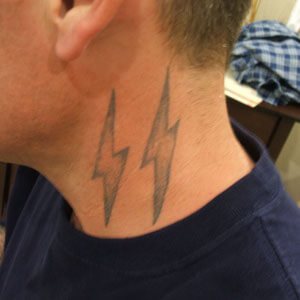
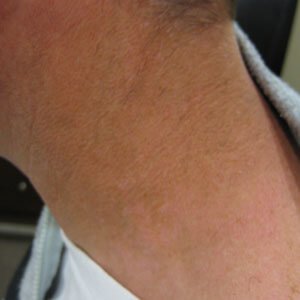
AGE OF TATTOO: 6 years old
STYLE: Professional
SIZE: 5 sq. inches, $255
NUMBER OF TREATMENTS: 5 treatments

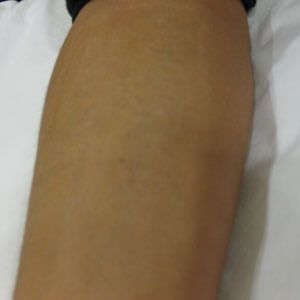
AGE OF TATTOO: 12 years old
STYLE: Amateur
SIZE: 7 sq. inches, $294
NUMBER OF TREATMENTS: 12 treatments

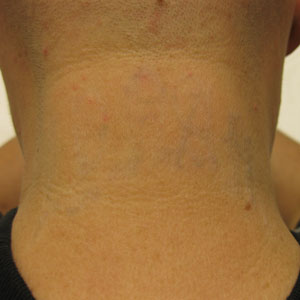
AGE OF TATTOO: 10 years old
STYLE: Professional
SIZE: 5 sq. inches, $255
NUMBER OF TREATMENTS: 10 treatments


AGE OF TATTOO: 10 years old
STYLE: Professional
SIZE: 5 sq. inches, $255
NUMBER OF TREATMENTS: 10 treatments

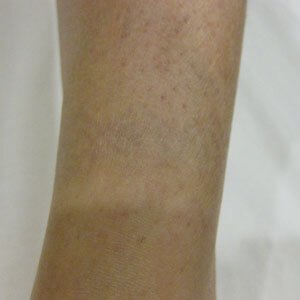
AGE OF TATTOO: 8 years old
STYLE: Professional
SIZE: 7 sq. inches, $294
NUMBER OF TREATMENTS: 10 treatments


AGE OF TATTOO: 5 years old
STYLE: Professional
SIZE: 4 sq. inches, $216
NUMBER OF TREATMENTS: 7 treatments
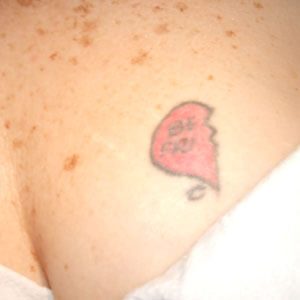
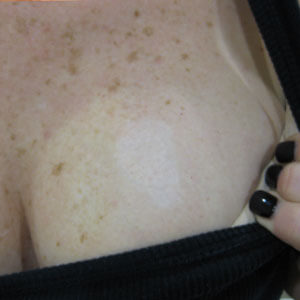
AGE OF TATTOO: 17 years old
STYLE: Professional
SIZE: 2 sq. inches, $138
NUMBER OF TREATMENTS: 4 treatments
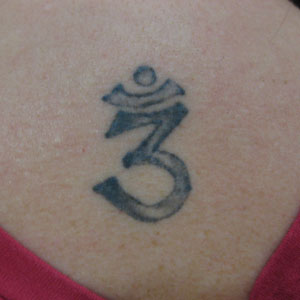
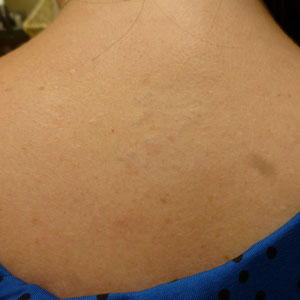
AGE OF TATTOO: 8 years old
STYLE: Professional
SIZE: 3 sq. inches, $177
NUMBER OF TREATMENTS: 5 treatments


AGE OF TATTOO: 9 years old
STYLE: Amateur
SIZE: 1 sq. inch, $99
NUMBER OF TREATMENTS: 6 treatments
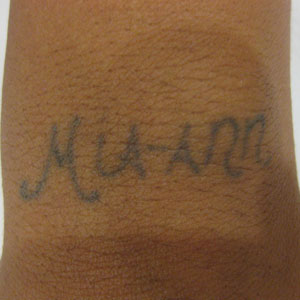
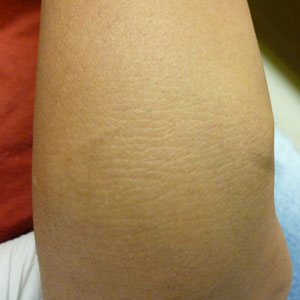
AGE OF TATTOO: 10 years old
STYLE: Professional
SIZE: 1.5 sq. inches, $119
NUMBER OF TREATMENTS: 2 treatments
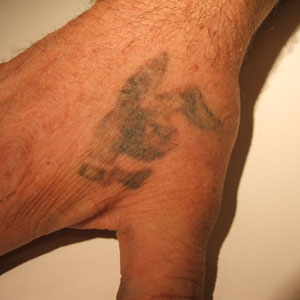
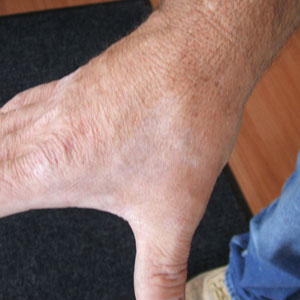
AGE OF TATTOO: 20 years old
STYLE: Amateur
SIZE: 1.5 sq. inches, $119
NUMBER OF TREATMENTS: 6 treatments
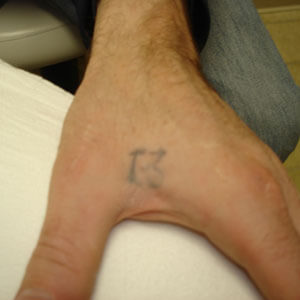

AGE OF TATTOO: 15 years old
STYLE: Amateur
SIZE: <1 sq inch, $49
NUMBER OF TREATMENTS: 3 treatments
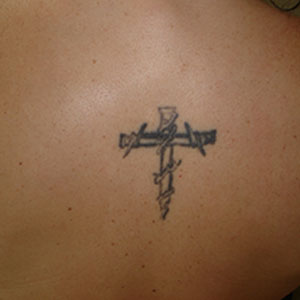
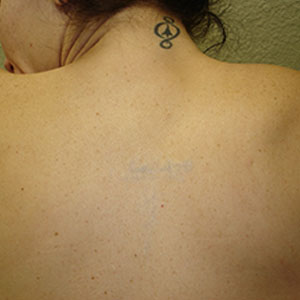
AGE OF TATTOO: 8 years old
STYLE: Professional
SIZE: 3 sq. inches, $177
NUMBER OF TREATMENTS: 5 treatments

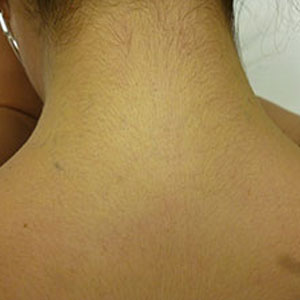
AGE OF TATTOO: 3 years old
STYLE: Professional
SIZE: 3 sq. inches, $177
NUMBER OF TREATMENTS: 4 treatments
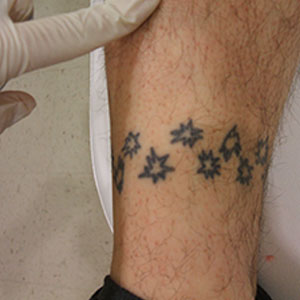
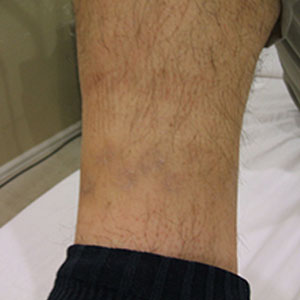
AGE OF TATTOO: 11 years old
STYLE: Professional
SIZE: 4 sq. inches, $216
NUMBER OF TREATMENTS: 9 treatments


AGE OF TATTOO: 10 years old
STYLE: Professional
SIZE: 9 sq. inches, $294
NUMBER OF TREATMENTS: 8 treatments